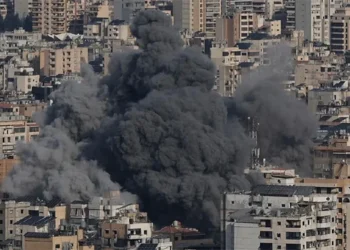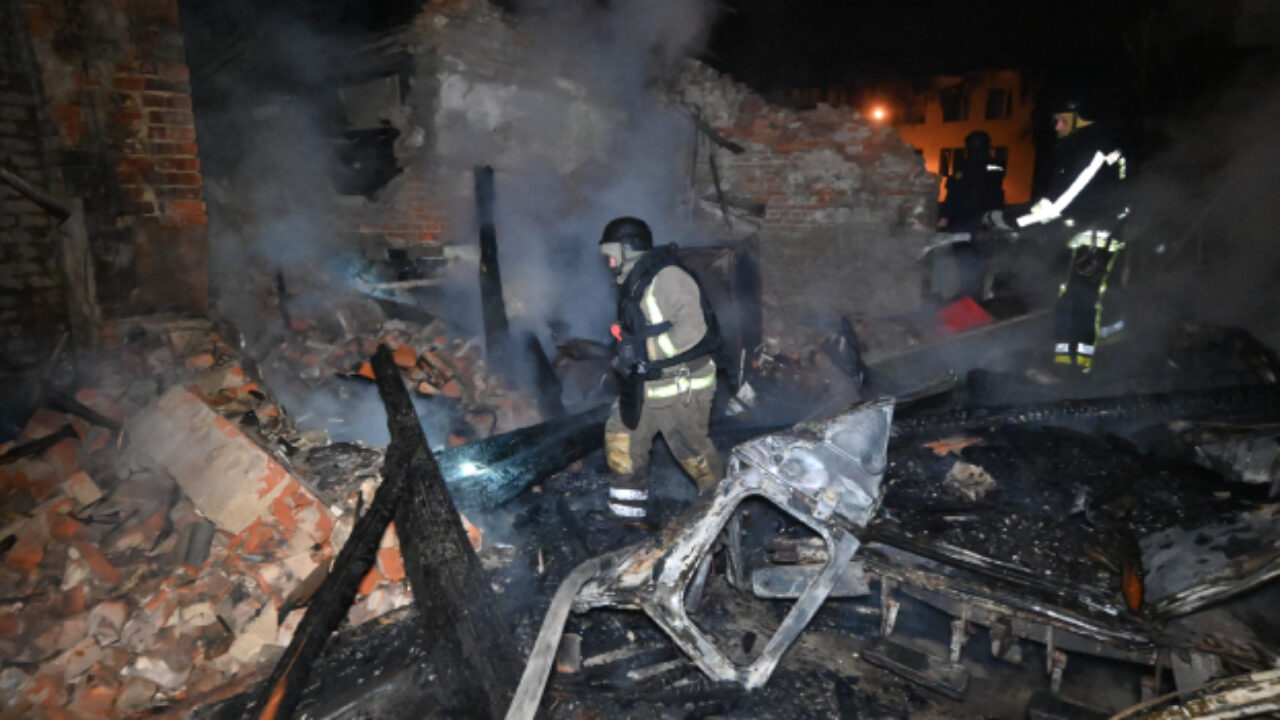
Russia launched yet another wave of attacks on Ukraine’s energy infrastructure early Thursday, targeting gas facilities in the eastern part of the country and triggering widespread power outages across eight regions.
The large-scale bombardment marks another phase in Moscow’s ongoing pressure campaign to cripple Ukraine’s energy network as winter approaches.
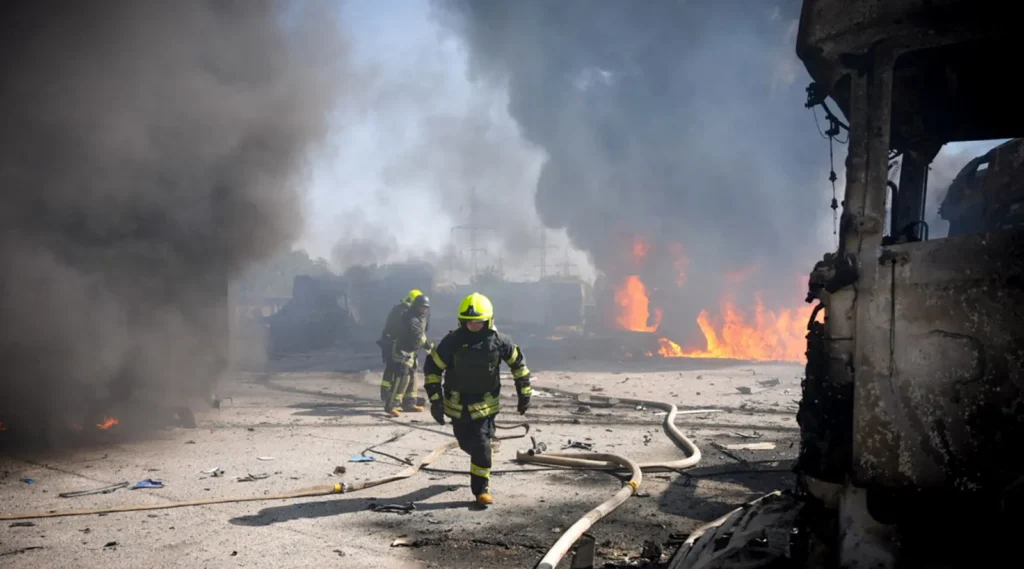
Since the onset of the invasion in 2022, Russia has consistently directed its assaults toward Ukraine’s power and energy infrastructure during the cold months, leaving Kyiv with no choice but to enforce emergency blackouts and depend on imported energy to sustain its grid.
“There are hits and destruction in several regions at once. The operation of a number of critically important facilities has been halted,” said Sergii Koretskyi, CEO of Naftogaz, in a statement.
Ukraine’s energy grid operator confirmed the implementation of emergency power cuts in eight regions following the strikes. “This autumn, the Russians use every single day to strike at our energy infrastructure,” President Volodymyr Zelensky lamented, underscoring the relentless nature of the attacks.
According to Ukraine’s air force, the latest Russian offensive consisted of 320 drones and 37 missiles, of which 283 drones and five missiles were intercepted. The bombardment primarily targeted the Kharkiv and Poltava regions, where DTEK, Ukraine’s largest private energy company, reported that one of its gas production facilities had been forced to shut down.
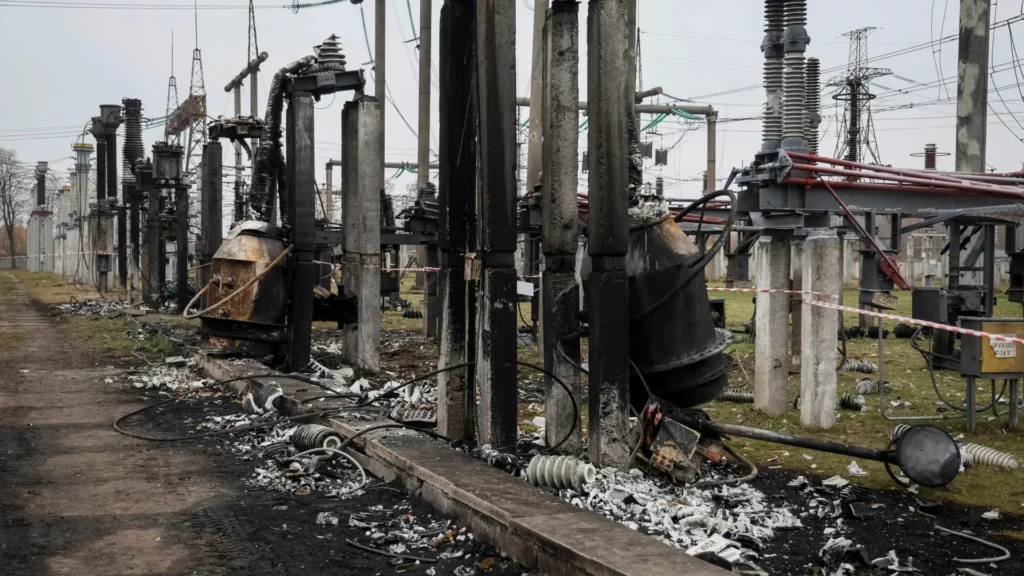
Media sources previously indicated that up to 60 percent of Ukraine’s gas production had been disrupted by recent Russian strikes, while attacks on power stations have deprived hundreds of thousands of residents of electricity.
Despite mounting evidence to the contrary, the Kremlin maintains that its forces only aim at military installations.
The International Criminal Court (ICC) has taken a firm stance on the matter, issuing arrest warrants last year for two senior Russian military officials, accusing them of committing “war crimes” for orchestrating attacks that inflicted “excessive” harm on civilians.
Ukraine, meanwhile, continues to plead with its allies for additional air defense systems to shield its critical infrastructure from ongoing assaults. Kyiv has also stepped up retaliatory strikes targeting Russian oil refineries, signaling that the energy war between both nations is far from over.
What You Should Know
Russia’s latest strikes on Ukraine’s gas infrastructure deepen an ongoing energy crisis that has become a key front in the war.
As Moscow intensifies winter bombardments, Kyiv’s pleas for advanced air defenses grow more urgent, highlighting a conflict that continues to threaten not just the battlefield but the survival of Ukraine’s energy lifeline.