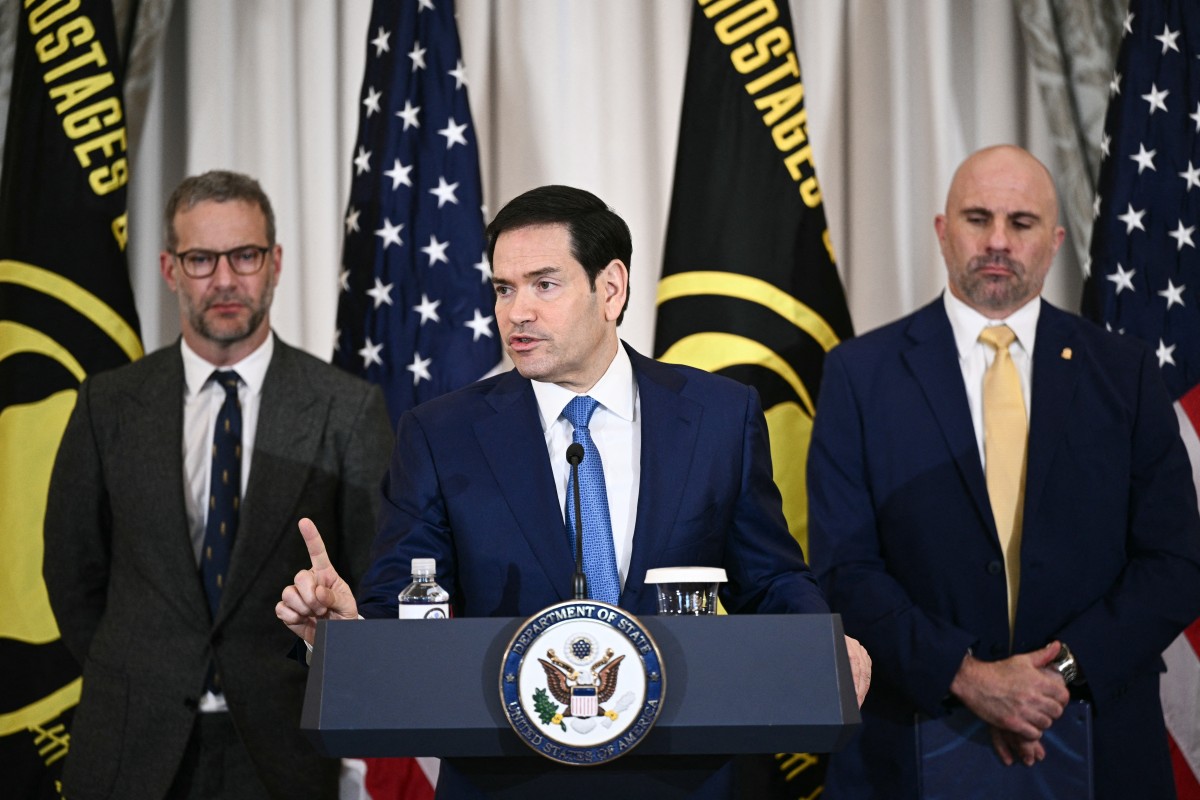
US Secretary of State Marco Rubio has dismissed reports that Washington urged Miguel Díaz-Canel to step down, describing the claims as false.
In a late-night post on X, Rubio rejected a report by The New York Times, calling it “fake” and accusing media outlets of relying on “charlatans and liars claiming to be in the know.”
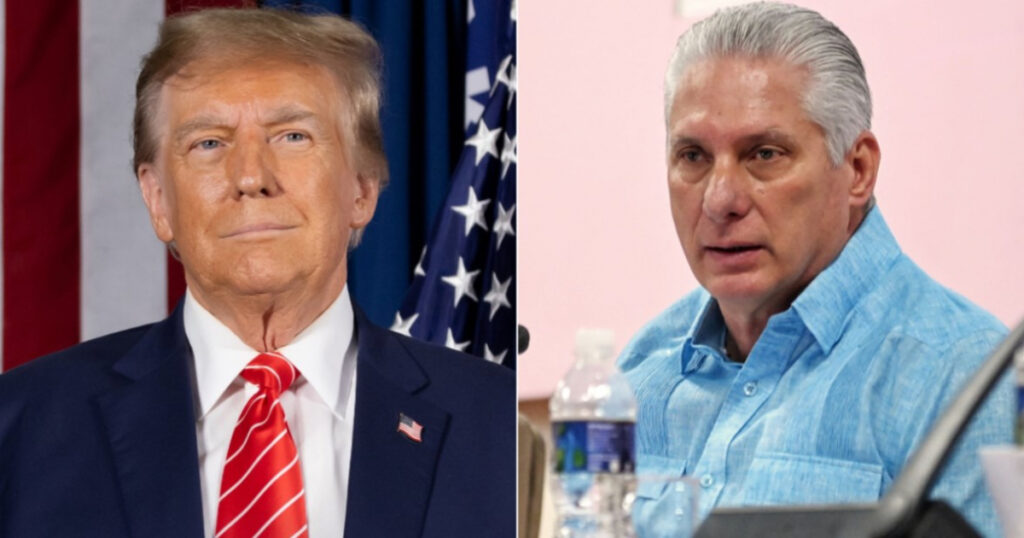
The newspaper had reported that officials under Donald Trump had asked Cuba to remove Díaz-Canel, though it noted that Washington had not pushed for a full overthrow of the communist government.
Rubio, however, did not clarify whether he was disputing the entire report or only specific elements of it.
According to the report, US officials viewed Díaz-Canel as a hardliner unlikely to implement reforms, but stopped short of issuing a direct ultimatum demanding his removal.
Rubio, a Cuban-American and longtime critic of Havana’s leadership, has consistently advocated for major political change in Cuba and has warned that the country’s leadership is under increasing pressure.
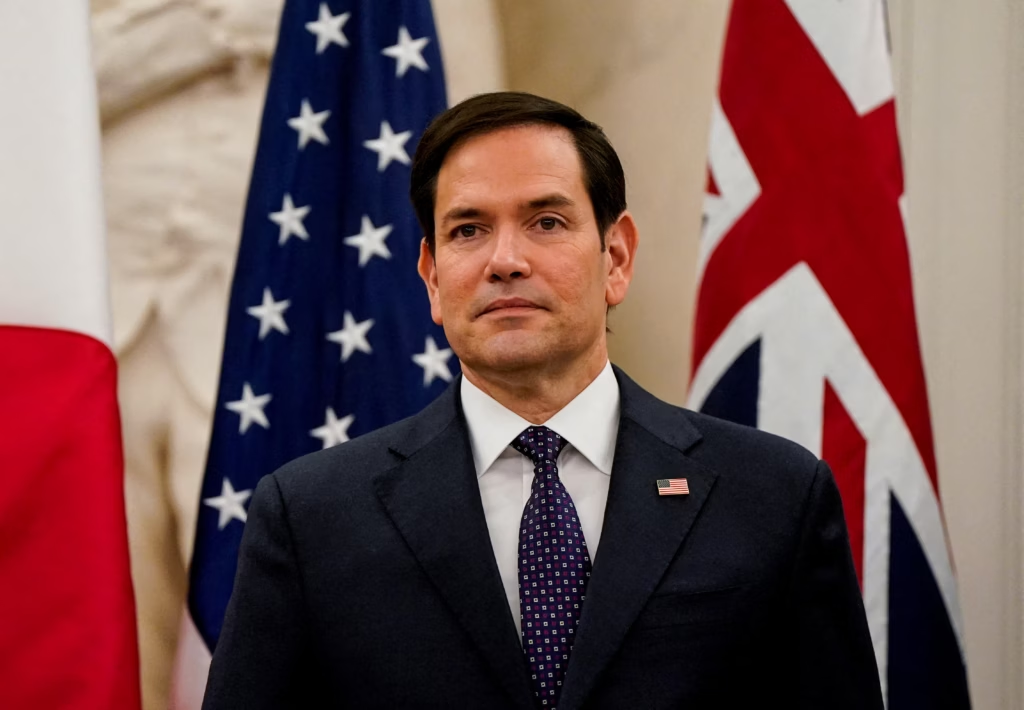
Earlier on Tuesday, he also stated that Cuba needs more “dramatic” reforms beyond recent measures allowing overseas Cubans to invest in businesses, as the island grapples with a deepening economic crisis.
Tensions between Washington and Havana have escalated in recent months, particularly after the US intensified pressure on Cuba’s economy. The situation has been compounded by Cuba’s reliance on external support, including oil supplies previously sourced from Venezuela.
President Trump has signalled interest in striking a potential “deal” with Cuba but has simultaneously taken a hardline stance, boasting about US leverage over the island.
Unlike in Venezuela and Iran, where recent US actions have focused on forcing compliance rather than outright regime change, the approach toward Cuba appears to remain fluid.
Cuba’s political importance in US domestic politics also remains significant, particularly among Cuban-American lawmakers who have long pushed for a tougher stance against the government in Havana.
What you should know
Rubio’s denial highlights ongoing tensions between US officials and major media outlets over sensitive foreign policy reporting.
While Washington has increased pressure on Cuba amid its economic struggles, there is no confirmed official policy calling for the removal of President Díaz-Canel. However, strong rhetoric from US leaders suggests continued hardline positioning.
The situation reflects broader geopolitical strategies where the US seeks influence without necessarily pursuing full regime change, especially in politically sensitive regions like Latin America.