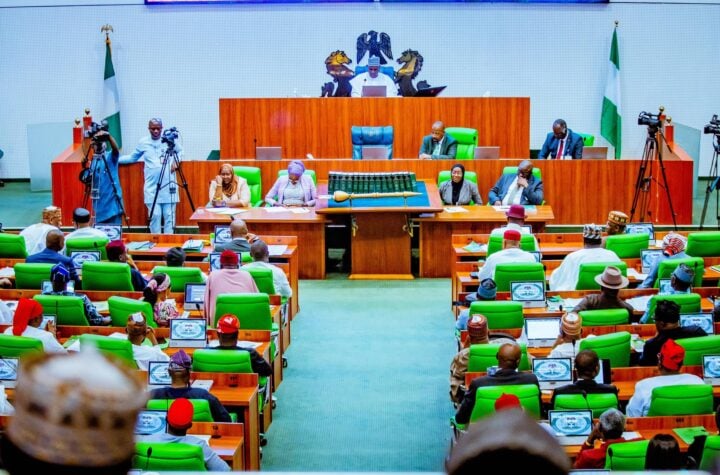
The House of Representatives Nigeria has scheduled an emergency plenary session for Tuesday, February 17, 2026, to deliberate on issues stemming from the recently released timetable for the 2027 General Election by the Independent National Electoral Commission (INEC).
The development was disclosed in a statement signed by the House spokesperson, Akin Rotimi.
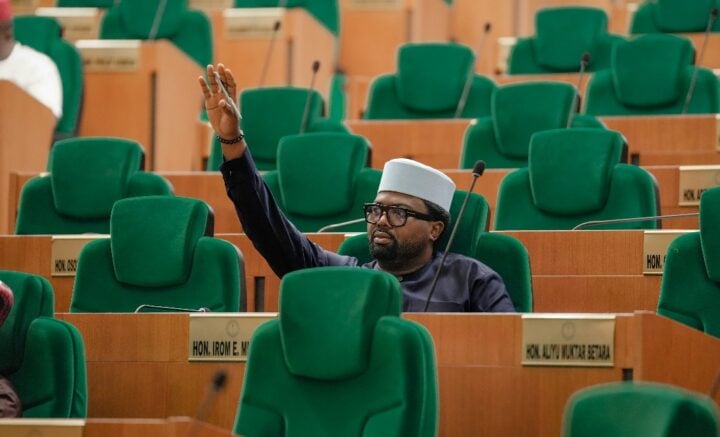
He explained that lawmakers were formally informed through an internal memo circulated by the Office of the Speaker late Friday, underscoring the constitutional weight and national significance of the matter, as well as the urgency of legislative engagement.
According to the statement, convening the emergency session reflects the chamber’s determination to promptly address developments that could have broad implications for Nigeria’s democratic framework.
Discussions during the sitting are expected to centre on legislative considerations linked to INEC’s announcement, in keeping with the constitutional responsibilities assigned to the National Assembly.
“All legislative business relating to the matter is expected to be addressed expeditiously,” the statement noted. “Honourable Members have been strongly advised to prioritise attendance, given the importance of the issues under consideration.”
The House reiterated its pledge to reinforce democratic institutions through proactive and accountable lawmaking, ensuring that decisions taken align with the interests of Nigerians.
INEC Timetable Sparks Debate
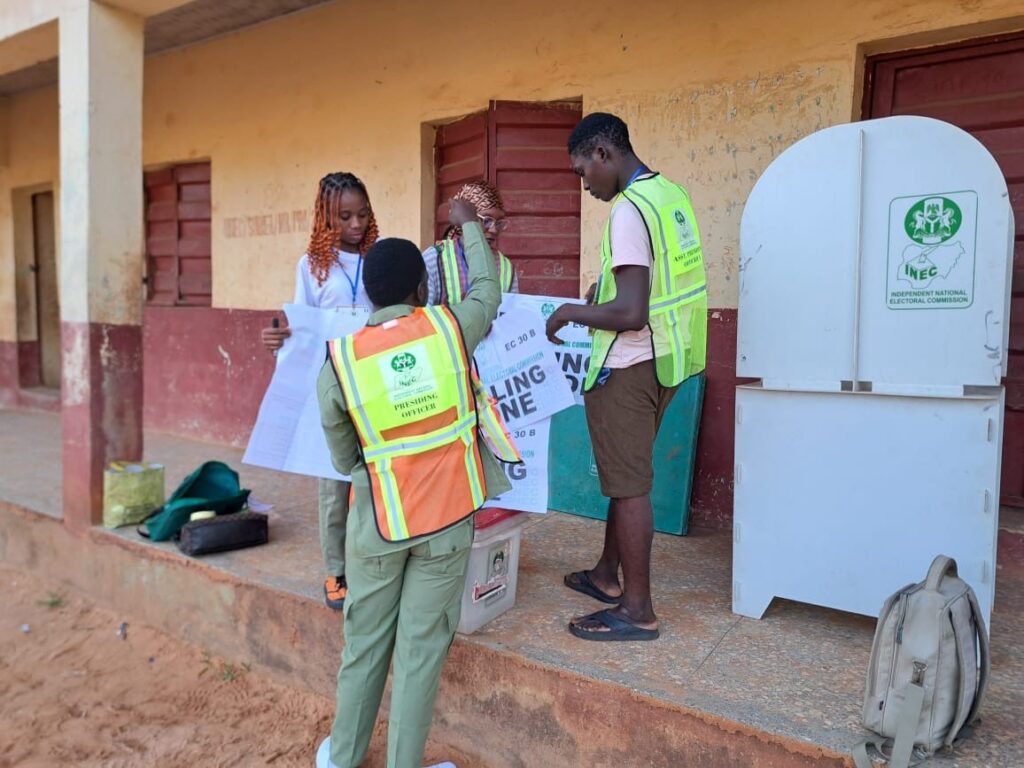
INEC had earlier announced that Presidential and National Assembly elections would be conducted on February 20, 2027, while governorship and state assembly polls are slated for March 6, 2027. The commission also fixed party primaries between May 22 and June 20, 2026, for the nomination of candidates.
The timetable has generated public debate, particularly among Muslim groups who observed that the February 20 date coincides with the holy month of Ramadan. Critics argue that fasting during the period could affect voter turnout, logistics, and the performance of observers and electoral officials.
Among those who voiced concern is former Vice President and former presidential candidate of the Peoples Democratic Party (PDP), Atiku Abubakar, who urged INEC to reconsider the scheduled date, citing its overlap with the Muslim fasting period.
INEC Responds, Opens Door for Consultations
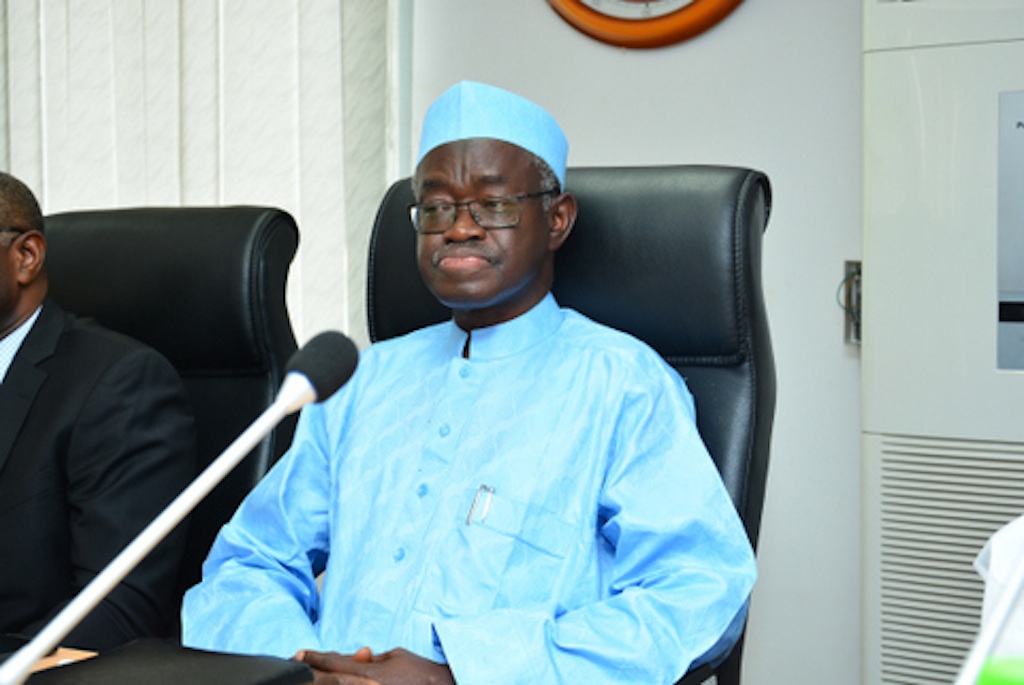
In response to the concerns, INEC released a statement through its National Commissioner and Chairman of the Information and Voter Education Committee, Mohammed Haruna. He stated that the timetable was formulated in strict adherence to the 1999 Constitution (as amended), the Electoral Act, 2022, and the INEC Regulations and Guidelines for the Conduct of Elections, 2022.
Haruna explained that the commission’s regulations, which have been in effect since 2019, specify that presidential and National Assembly elections must be held on the third Saturday of February in an election year, with governorship and state assembly elections following two weeks later.
However, he acknowledged the concerns raised by stakeholders and disclosed that the commission is engaging in consultations. He added that INEC may, if necessary, seek appropriate legislative intervention to address the issues, provided any adjustment remains consistent with constitutional and statutory provisions.
“INEC reiterates its unwavering commitment to transparency, inclusivity, and the credible conduct of the 2027 General Election. The public will be duly informed of any further developments,” the statement said.
What you should know
The House of Representatives will reconvene on February 17, 2026, for an emergency sitting to consider legislative implications of INEC’s 2027 General Election timetable.
The February 20, 2027 presidential election date has sparked concerns because it falls during Ramadan, prompting calls for reconsideration. While INEC maintains that the timetable complies with constitutional and regulatory provisions, it has begun consultations and may seek legislative input if adjustments are deemed necessary.
The emergency session underscores the National Assembly’s role in safeguarding Nigeria’s democratic process.