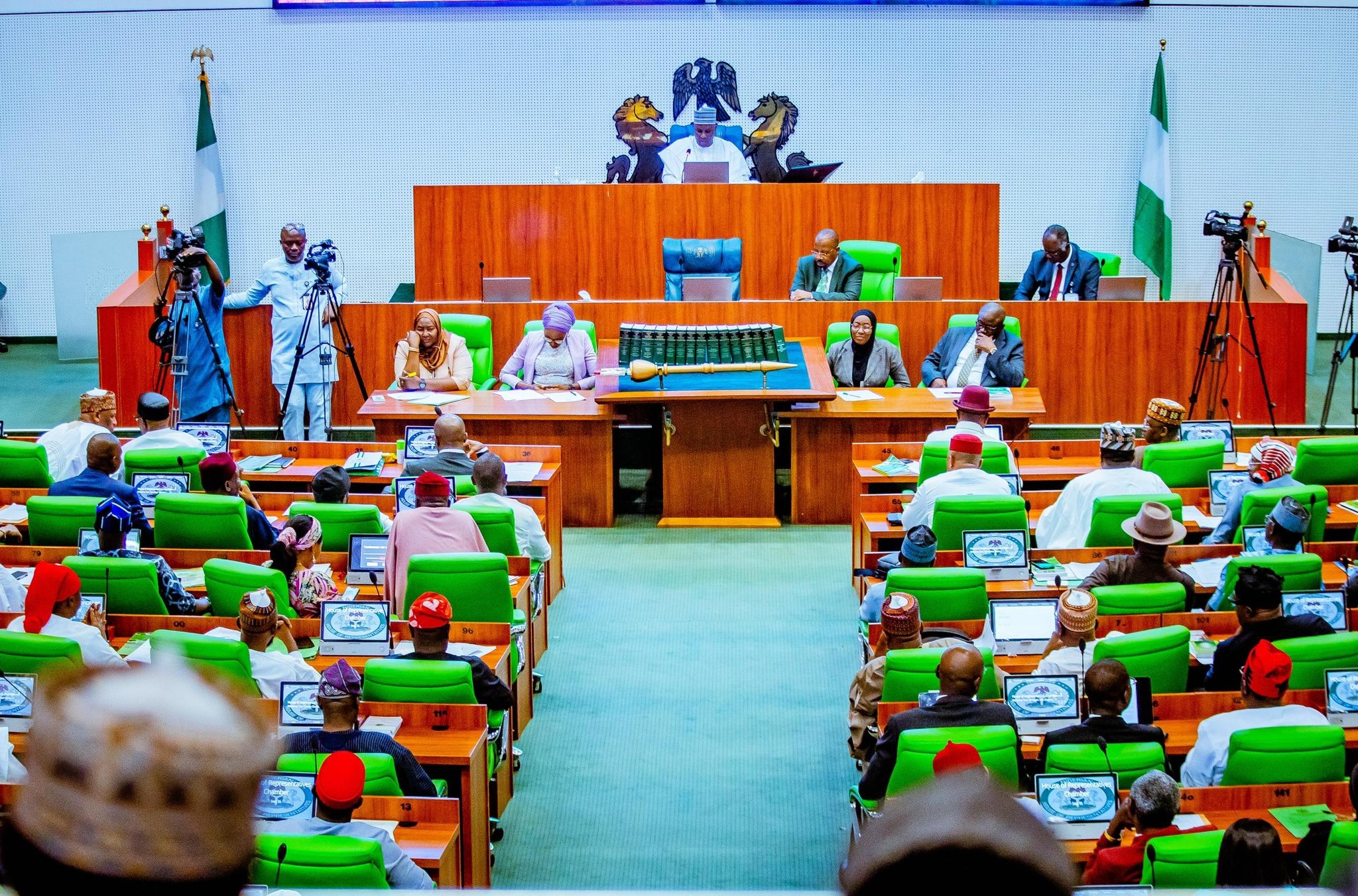
The House of Representatives has launched an investigation into the utilisation of $4.6 billion in international aid grants disbursed between 2021 and 2025, questioning why the funds have failed to significantly reduce deaths from HIV, tuberculosis, and malaria.
Lawmakers argued that despite the massive financial support from international partners, Nigeria continues to grapple with alarming mortality rates from these diseases. They warned that without urgent oversight and strategic realignment, the country risks missing the United Nations Sustainable Development Goal of ending such epidemics by 2030.
The motion, presented during Wednesday’s plenary session, noted that the funds came primarily from the United States Agency for International Development (USAID) and the Global Fund to fight AIDS, Tuberculosis, and Malaria. The House also highlighted that the US President’s Emergency Plan for AIDS Relief (PEPFAR) contributed an additional $6 billion during the same period to bolster HIV/AIDS treatment and health systems.
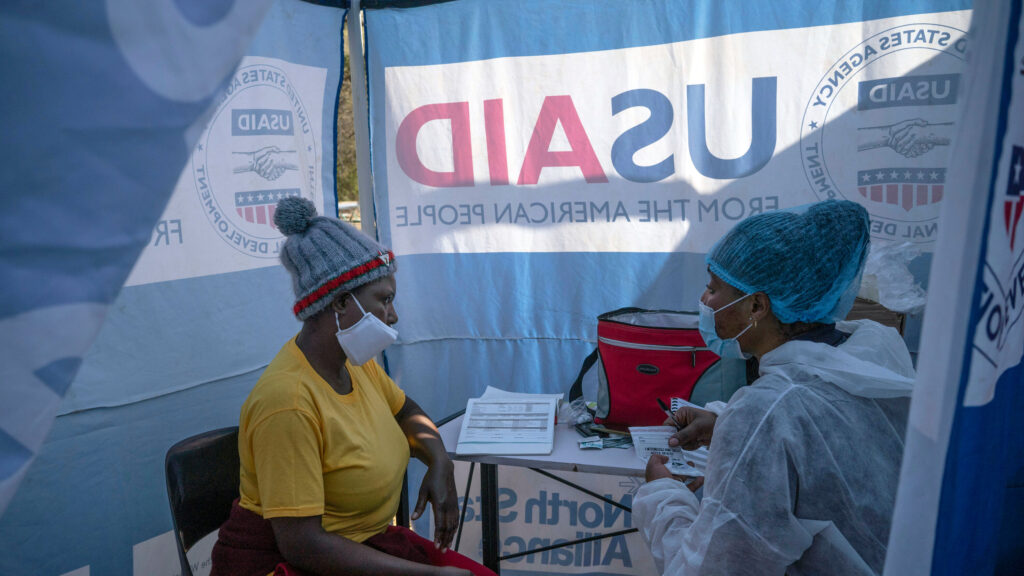
Despite these substantial investments, Nigeria still records some of the world’s highest disease burdens, accounting for 31% of global malaria deaths and ranking first in Africa for tuberculosis cases. In 2023 alone, the country recorded 51,000 AIDS-related deaths, placing it third globally.
The lawmakers directed the Committee on HIV/AIDS to conduct a thorough investigation into how the grants were managed and report back within a month with recommendations for legislative action. The probe comes as US President Donald Trump’s renewed cuts to foreign aid budgets raise further concerns about the future of global health funding, particularly in Africa.
What You Should Know
Nigeria’s House of Representatives is scrutinising how billions in international health aid were utilised amid persistent disease-related deaths.
Despite receiving major grants from USAID, the Global Fund, and PEPFAR, the country remains among the worst affected globally by HIV, malaria, and tuberculosis. The investigation aims to ensure transparency and improve the effectiveness of future health interventions.
Lawmakers are concerned that without accountability, Nigeria could fail to meet its 2030 UN health targets. The outcome of this probe may reshape the nation’s approach to managing global aid and public health funding.