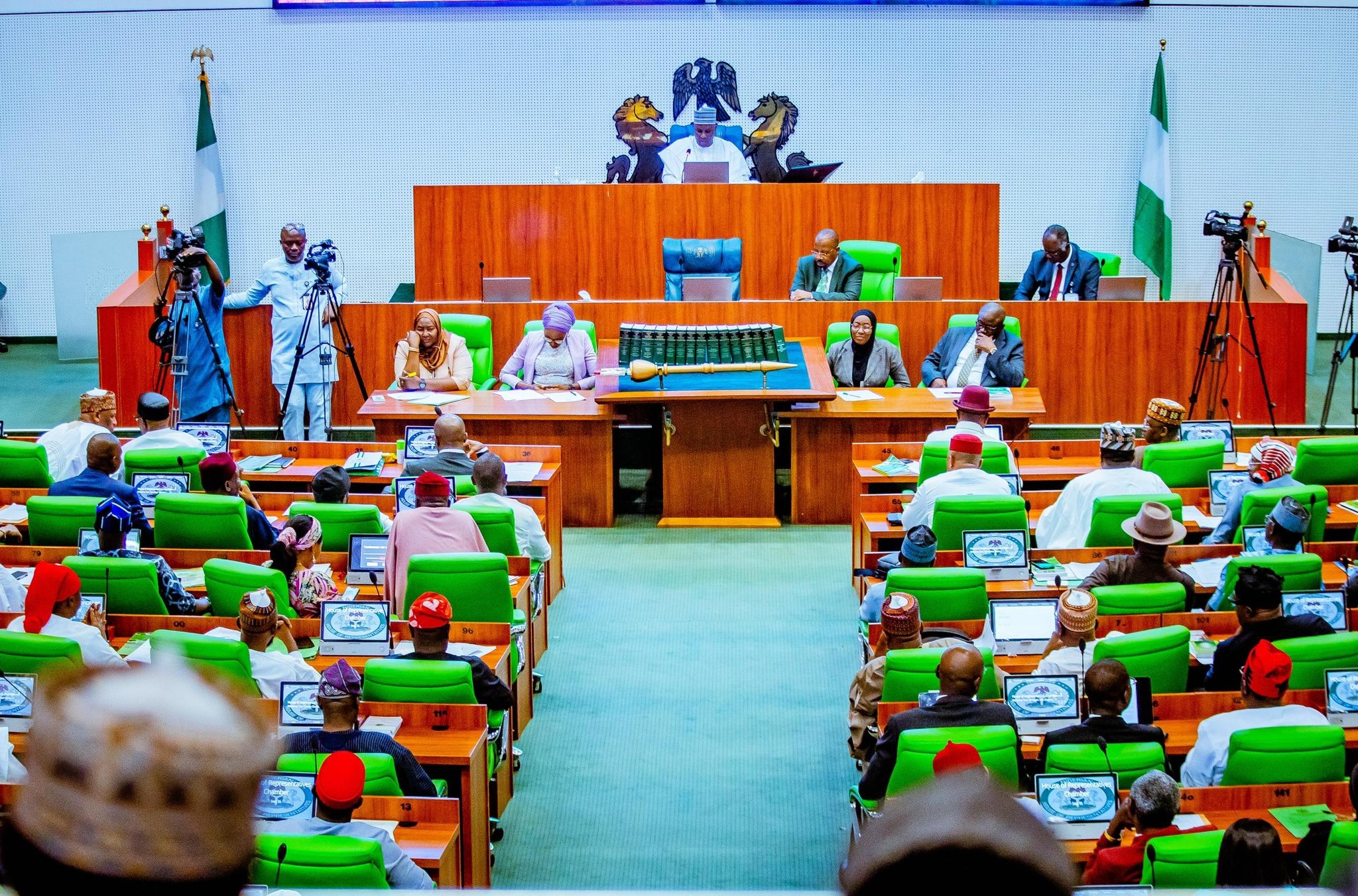
The House of Representatives Minority Caucus Ad-hoc Committee on Tax Laws has revealed that unlawful changes were made to some tax reform laws passed by the National Assembly and later assented to by President Bola Tinubu, raising serious concerns over legislative integrity and possible constitutional violations.
The committee disclosed this in an interim report addressing allegations that versions of the tax laws published in the official gazette differed from those duly passed by parliament.
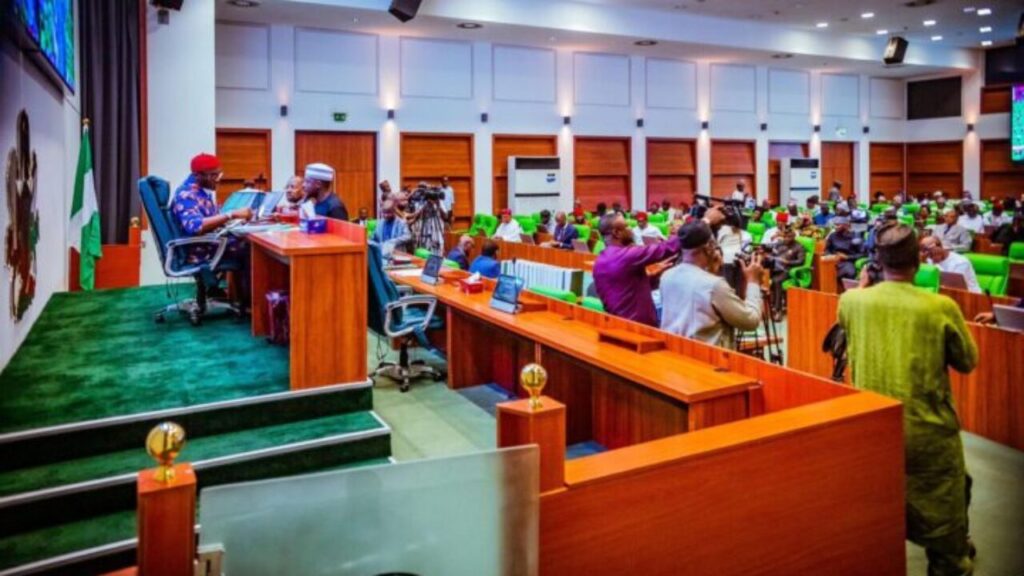
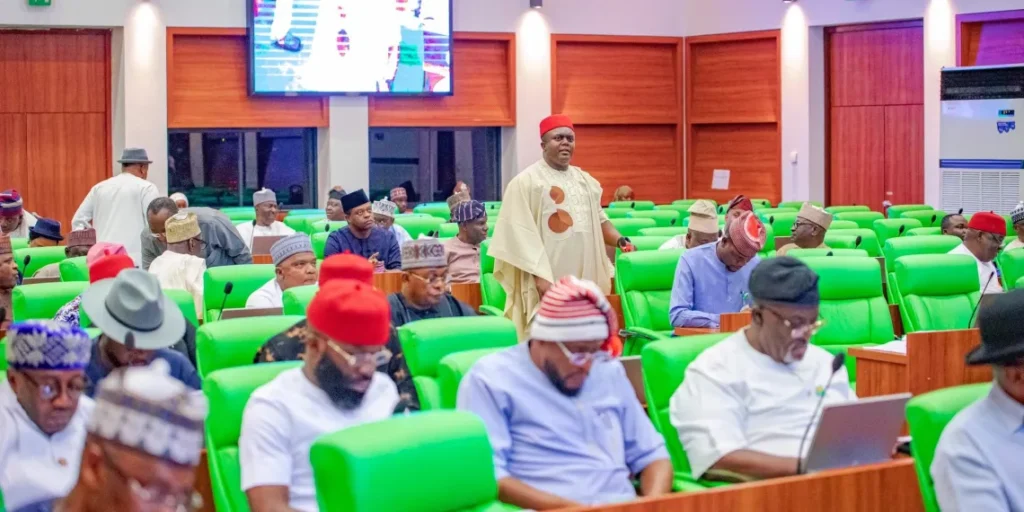
The controversy was triggered when a lawmaker, Abdulsamad Dasuki, alerted the House during plenary to the circulation of an “authorised” version of a tax law that did not reflect what legislators approved.
Following widespread public reaction, the minority caucus issued a statement on December 28, 2025, pledging to “unconditionally protect the independence of the Legislature and our democracy.” The caucus warned that imposing fake laws on Nigerians constituted a direct attack on the constitutional mandate of the National Assembly.
To probe the allegations, the caucus, under the leadership of Kingsley Chinda, constituted a seven-member ad-hoc committee on January 2, 2026.
The committee was chaired by Afam Ogene, alongside Aliyu Garu, Stanley Adedeji, Ibe Osonwa, Marie Ebikake, Shehu Fagge and Gaza Jonathan. Its mandate was to ascertain the facts surrounding the alleged manipulation of the tax reform laws.
In a statement signed by Ogene, the committee explained that on January 3, 2026, the House, through its spokesman Akintunde Rotimi, announced that Speaker Abbas Tajudeen had ordered the public release of the four tax reform Acts signed into law by the President.
The Speaker also directed an internal verification process and the immediate issuance of Certified True Copies to dispel doubts and safeguard the sanctity of the legislature.
The Acts involved were the Nigeria Tax Act, 2025; Nigeria Tax Administration Act, 2025; National Revenue Service (Establishment) Act, 2025; and Joint Revenue Board (Establishment) Act, 2025. The Clerk to the National Assembly was further instructed to work with the Federal Government Printing Press to ensure accuracy and uniformity.
According to the committee, a comparison of the Certified True Copies released by the House with the gazetted versions already in circulation before Dasuki raised the alarm confirmed “that there were some alterations as alleged by Dasuki on the floor of the House of Representatives, especially in the Nigeria Tax Administration Act, 2025.”
The panel disclosed that three different versions of the documents were in circulation, particularly the Nigeria Tax Administration Act, 2025. It noted that the directive to align the Acts with the Federal Government Printing Press pointed to procedural anomalies in the earlier gazetted versions that “illegally encroached on the core mandate of the National Assembly,” describing the development as a grave concern requiring deeper scrutiny.
In its preliminary findings, the committee confirmed multiple discrepancies, especially within the Nigeria Tax Administration Act, 2025. It said the Act differed significantly between the version passed by the National Assembly and the one earlier gazetted, as evidenced by the Certified True Copies released by the House.
The panel cited changes to reporting thresholds and appeal conditions, noting that while the authentic version fixed tax compliance thresholds at ₦50 million for individuals and ₦100 million for companies, the gazetted version reduced the individual threshold to ₦25 million and altered the corporate threshold figures. It described this as “a clear case of the Executive undermining legislative powers by illegally altering an already passed law to drag more taxpayers into the net.”
It also revealed that the gazetted version introduced new provisions requiring taxpayers to deposit 20 per cent of disputed tax amounts before appealing decisions of the Tax Appeal Tribunal to the High Court, sections that were absent in the version passed by the National Assembly.
On enforcement powers, the committee said the gazetted law unlawfully expanded the authority of tax agencies to include arrest powers and the sale of seized assets without court orders, provisions not approved by lawmakers.
The panel further faulted alterations to the definition of federal taxes, noting that while the certified version included income tax, petroleum income tax, stamp duties and VAT, the gazetted version removed petroleum income tax and VAT. It described this as “an affront to the exclusive powers of the National Assembly to make laws.”
The committee also highlighted changes mandating tax computations for petroleum operations in US dollars, contrary to the version passed by parliament, which required calculations in the currency of the transaction. It added that oversight provisions empowering the National Assembly to summon and demand reports from the Nigeria Revenue Service were removed from the gazetted version, undermining the doctrine of checks and balances.
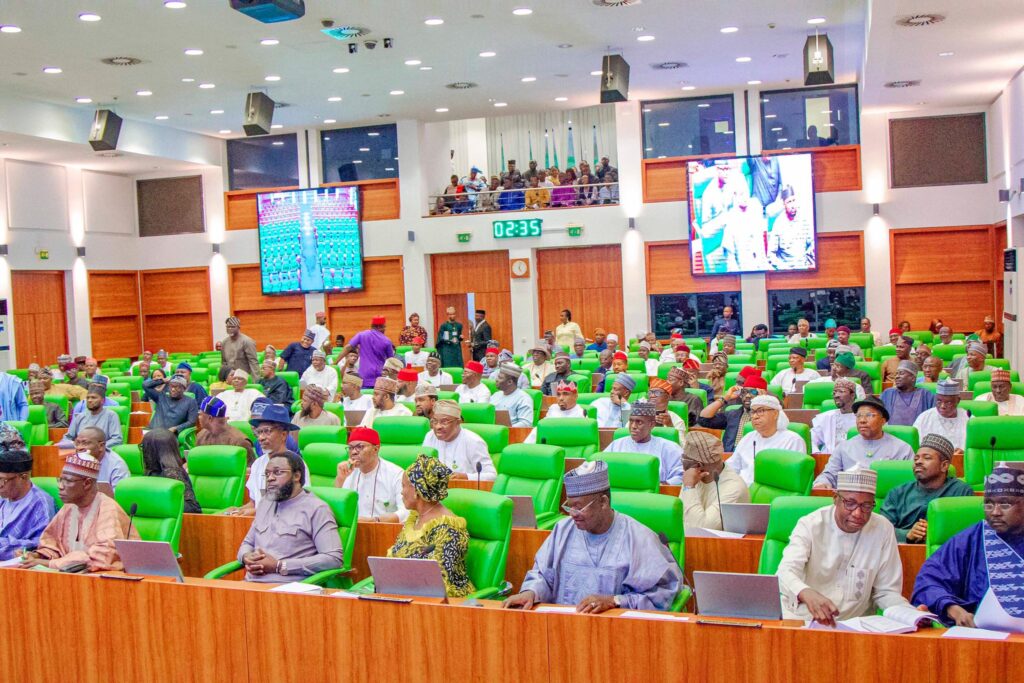
Given the scale of the anomalies, the committee said the evidence justified a more comprehensive investigation and requested an extension to deepen its examination to ensure accountability.
President Bola Tinubu had assented to the four tax reform bills in June 2025, with the Presidency stating that the new laws were designed to overhaul tax administration, boost revenue generation, improve the business climate and attract domestic and foreign investments.
What you should know
The tax reform laws signed by President Tinubu were intended to modernise Nigeria’s tax system and strengthen revenue collection.
However, the emergence of altered gazetted versions has raised serious constitutional concerns, particularly around separation of powers and legislative supremacy. The House Minority Caucus insists that any post-passage modification of laws without parliamentary approval undermines democracy and public trust.
The ongoing investigation could have far-reaching implications for executive-legislative relations, the validity of the affected tax provisions, and future safeguards to protect the law-making process from unauthorised interference.