The House of Representatives has announced that it is reviewing Nigeria’s newly passed tax reform laws following public criticism and allegations that some sections were altered after legislative approval.
The move comes amid mounting concerns from lawmakers and stakeholders over discrepancies between the versions debated by the National Assembly and those later gazetted.
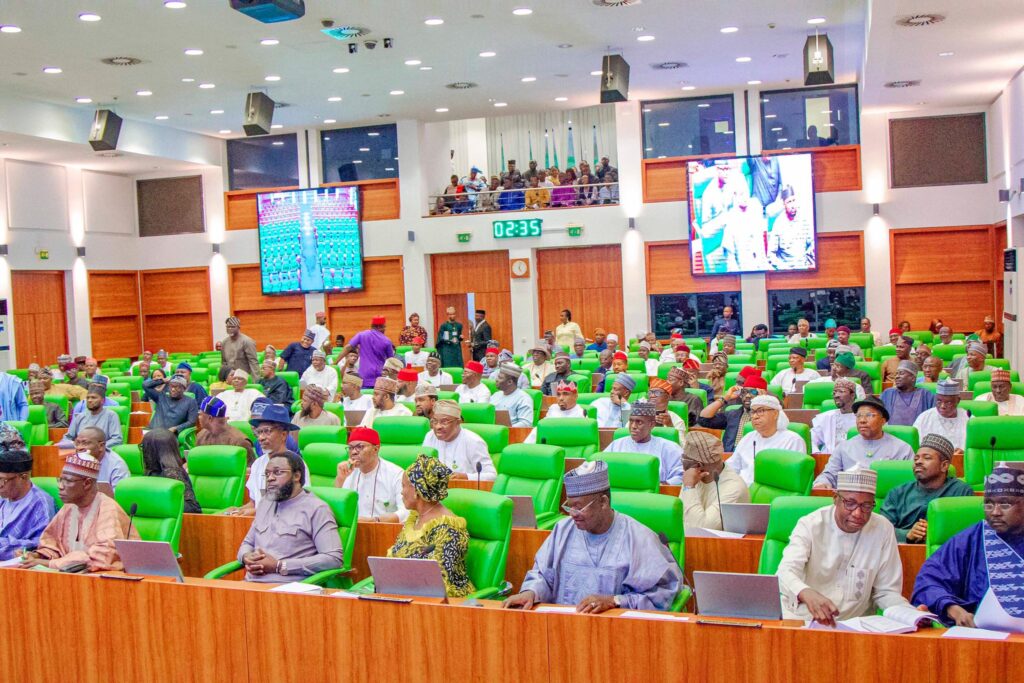
Spokesman of the House, Akin Rotimi, disclosed that the Green Chamber has inaugurated a committee to conduct what he described as a “review to establish the sequence of events and to identify any factors that may have contributed to the circumstances surrounding the legislative and administrative handling of the Acts.” According to him, the exercise is aimed at clarifying what transpired from the passage of the bills to their final publication.
In a statement issued on Friday, Rotimi, who represents Ekiti North (Ikole/Oye) Federal Constituency, said the review “includes a careful examination of any lapses, irregularities, or external interferences, should any be established.”
He added that the National Assembly, made up of both the Senate and the House of Representatives, has “directed the Clerk to the National Assembly to re-gazette the Acts and issue Certified True Copies of the versions duly passed by both Chambers of the National Assembly.”
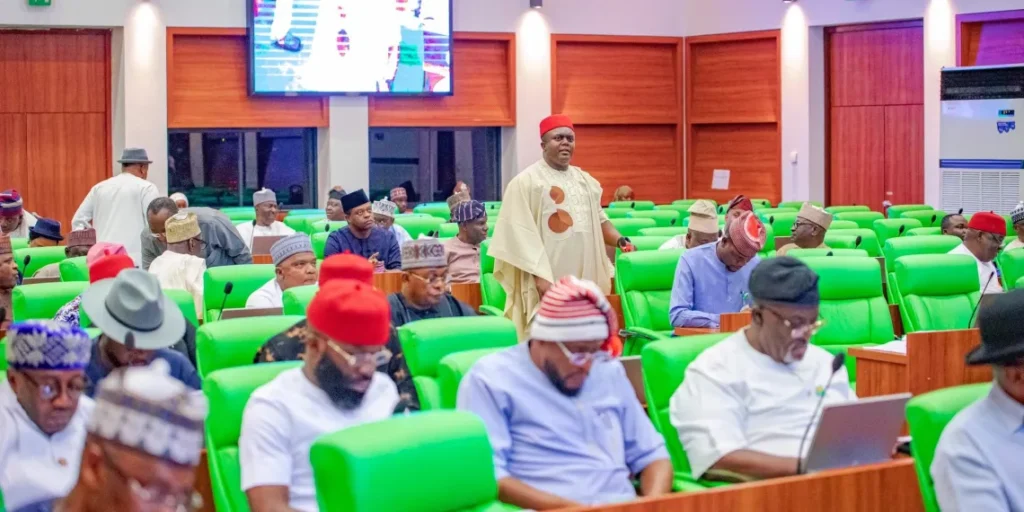
Rotimi urged Nigerians to remain calm and patient, asking the public to “allow the National Assembly’s institutional processes to proceed without speculation or conjecture” as the review progresses.
The development follows an alarm raised about two weeks ago by Abdussamad Dasuki, a lawmaker from Sokoto, who alleged that the gazetted versions of the tax laws differed from what lawmakers debated and approved after months of deliberations and controversy. Dasuki claimed that the final published documents did not accurately reflect the resolutions reached on the floor of the National Assembly.
The disputed legislations are the Nigeria Tax Act, 2025; the Nigeria Tax Administration Act, 2025; the Joint Revenue Board of Nigeria (Establishment) Act, 2025; and the Nigeria Revenue Service (Establishment) Act, 2025. Since the allegations emerged, opposition figures, political parties, the Nigeria Labour Congress and the Nigeria Bar Association have all called for the suspension of the laws, which are scheduled to take effect on January 1, 2026.
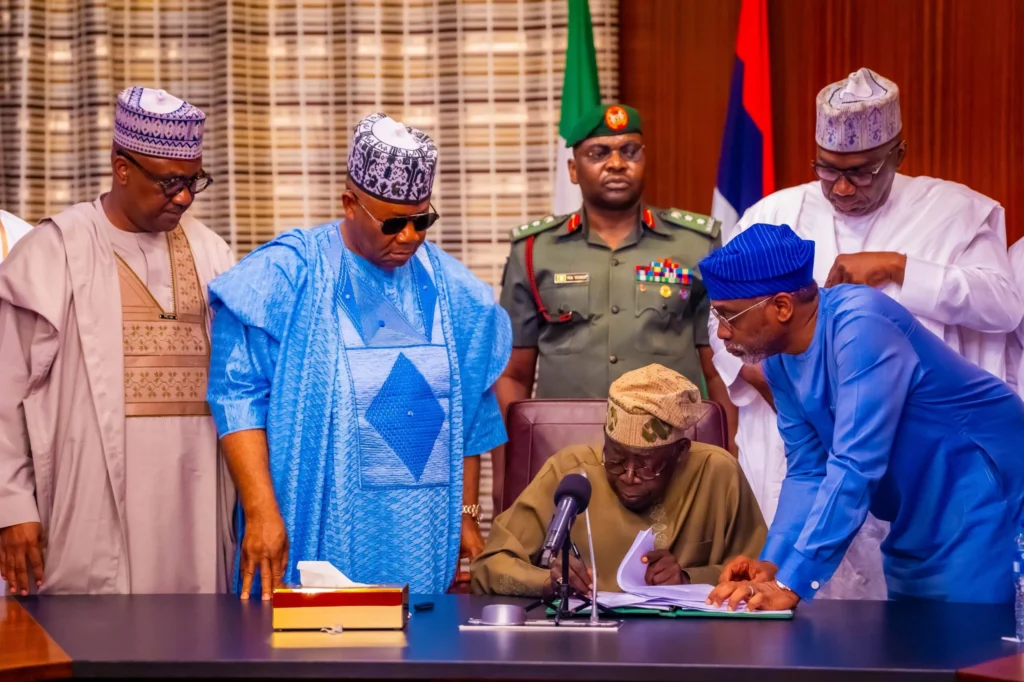
Despite the growing pushback, the Federal Government has continued to defend the reforms, insisting that the laws are designed to strengthen Nigeria’s fiscal framework and reduce the tax burden on vulnerable citizens.
What you should know
The tax reform laws under review are central to the Federal Government’s plan to restructure Nigeria’s revenue and tax administration system ahead of 2026.
Allegations that the gazetted versions differ from what lawmakers approved have raised concerns about legislative transparency and due process. The House of Representatives says its review will focus on identifying any procedural lapses or interference and ensuring that only the versions duly passed by both chambers stand.
Meanwhile, labour unions, legal bodies and opposition parties are demanding a pause in implementation until all controversies are resolved.