Summary
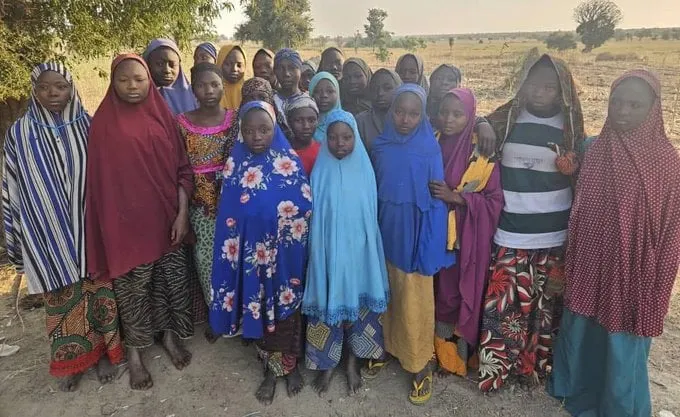
The Presidency has announced that the 24 schoolgirls kidnapped in Maga, Kebbi State, have been successfully released.
In an official statement issued on Tuesday by the Special Adviser on Information and Strategy, Bayo Onanuga, President Bola Tinubu expressed deep relief over the safe return of the girls.
President Tinubu commended the combined security forces for the efforts that led to the recovery of all the abducted victims. He further urged them to intensify their operations to ensure that other students still held by kidnappers in different states are rescued without delay.
“I am relieved that all the 24 girls have been accounted for. Now, we must, as a matter of urgency, put more boots on the ground in vulnerable areas to avert further incidents of kidnapping. My government will offer all the assistance needed to achieve this,” President Tinubu said.
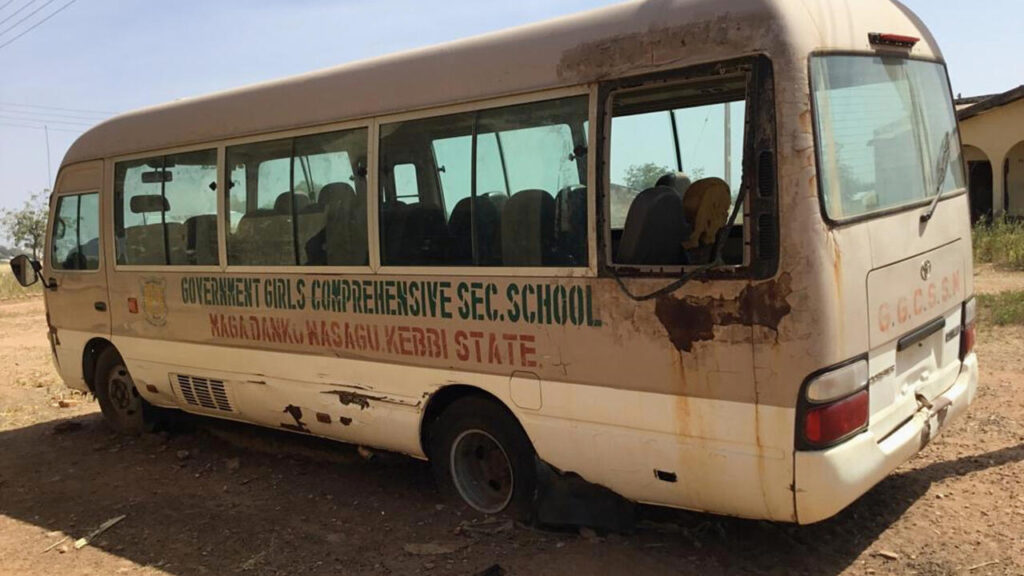
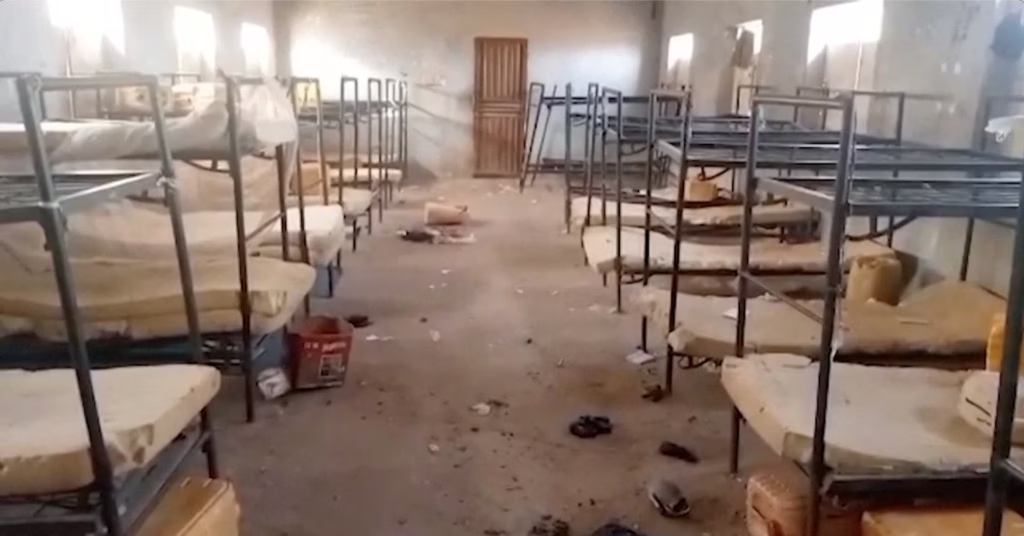
The abduction occurred at dawn on November 17 when terrorists stormed the school shortly after a military detachment was said to have departed the area. During the attack, the assailants killed the school’s Vice Principal, Malam Hassan Makuku, before taking the students away.
The incident set off a troubling sequence of kidnappings in other states. In Kwara, gunmen abducted residents in Eruku, while in Niger State, another group of attackers invaded Papiri, targeting students at a Catholic school. However, security interventions helped secure the release of all 38 abductees in Eruku on Sunday. On the same day, the Chairman of the Christian Association of Nigeria in Niger confirmed that 50 missing students from the Catholic school had been found in their homes.
Three days after the Kebbi abduction, Hussaini Aliyu, Chairman of the Danko-Wasagu Local Government Area, made public the full list of the abducted schoolgirls. He released their names as follows:
Senior Secondary School 2A
1. Fatima Sani Zimri
2. Hafsat Ibrahim
3. Nana Firdausi Jibril
4. Masauda Yakubu Romo
Senior Secondary School 2B
5. Hauwa Saleh
6. Hauwau Umar Imam
Senior Secondary School 3A & 3B
7. Salima Garba Umar
8. Salima Sani Zimri
9. Amina G. Umar
10. Rashida Muhammad Dingu
11. Saliha Umar
12. Aisha Usman
13. Jamila Iliyasu
14. Maryam Illiyasu
15. Najaatu Abdullahi
16. Zainab Kolo
Junior Secondary School 3A
17. Surraya Tukur
18. Hafsat Umar Yalmo
19. Maryam Usman
20. Amina Illiyasu
21. Ikilima Suleman
Junior Secondary School 2
22. Khadija Nazifi
23. Hauwa’u Iliyasu
24. Hauwa’u Lawali
25. Ummu Kulsum Abdulkarim
The resurgence of school kidnappings across northern Nigeria has raised renewed fear and frustration nationwide. Over the years, mass abductions have repeatedly shaken affected communities. In February 2021, bandits seized 317 female students from the Government Girls Science Secondary School, Jangebe, Zamfara. That same month, armed men invaded Government Science College, Kagara, Niger State, kidnapping students, teachers, and family members—41 in total, including 27 students.
In December 2020, 303 students from Government Science Secondary School, Kankara, Katsina State, were abducted, a tragedy that drew global outrage. Earlier in 2018, Boko Haram kidnapped 110 students in Dapchi. One of the most infamous cases remains the 2014 Chibok abduction, when about 200 schoolgirls were taken by Boko Haram, sparking worldwide condemnation.
The latest school attacks in Kebbi, Niger, and Kwara underscore the persistent threat of banditry and terrorism, despite ongoing military operations aimed at stabilizing affected regions. The release of the 24 Kebbi schoolgirls brings momentary relief, but the broader crisis remains a national security emergency demanding urgent and sustained attention.
What You Should Know
The release of the 24 schoolgirls abducted in Kebbi State represents a significant breakthrough for security forces, but it also underscores the broader pattern of mass kidnappings that continues to destabilize northern Nigeria.
The attack is part of a long-running crisis involving bandits and insurgents who repeatedly target schools.
While President Tinubu has vowed to strengthen security operations, communities remain vulnerable, highlighting the ongoing urgency of addressing kidnapping networks and reinforcing rural protection systems.