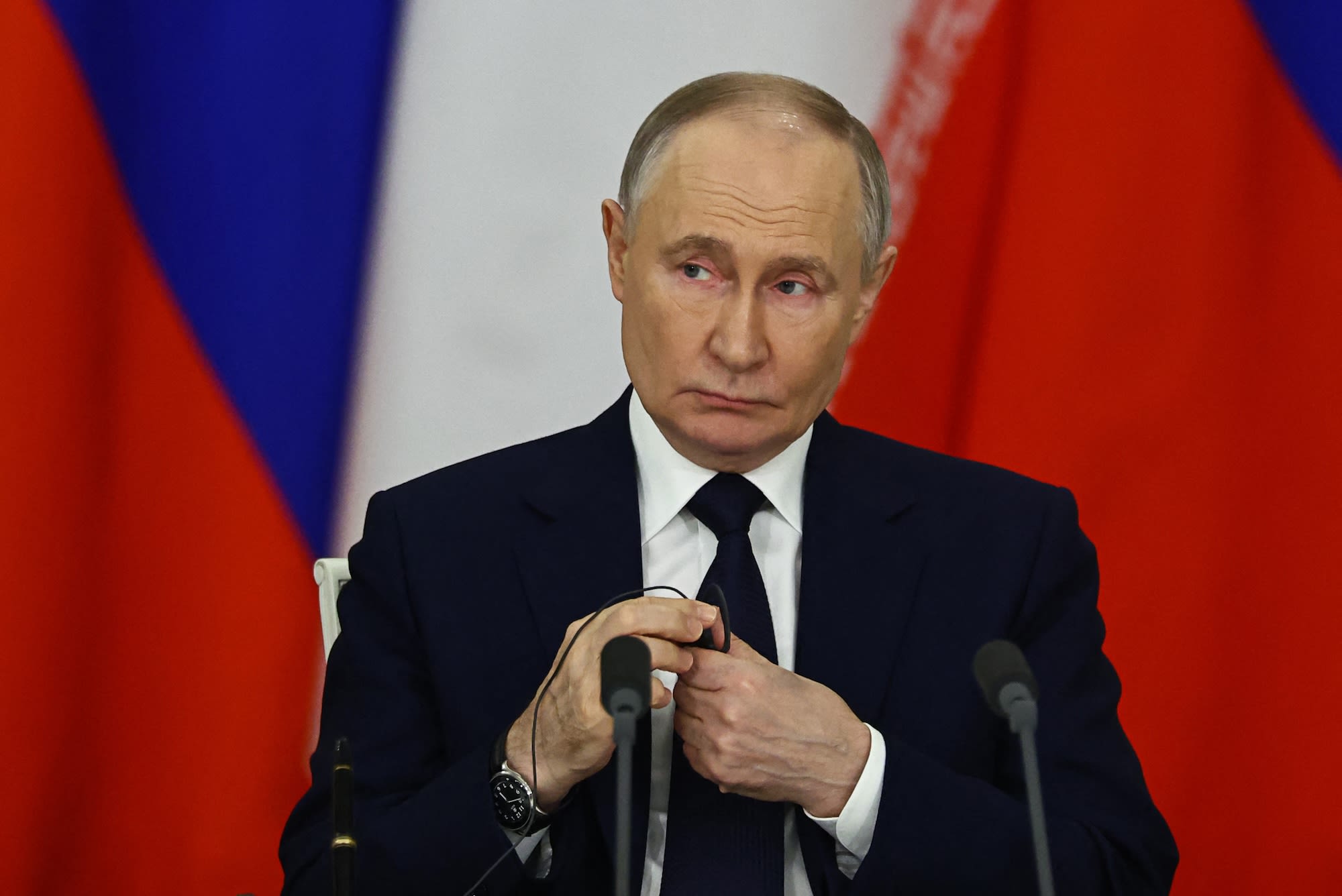
Russian President Vladimir Putin warned on Friday, that any Western forces deployed to Ukraine would be considered “legitimate targets” by Moscow’s military, escalating tensions a day after 26 countries, led by France and Britain, pledged to form a “reassurance force” to secure Ukraine post-peace deal.
Speaking at an economic forum in Vladivostok, Putin stated, “If some troops appear there, especially now during the fighting, we proceed from the premise that they will be legitimate targets.” He argued that such a deployment undermines long-term peace and cited Ukraine’s growing Western military ties as a “root cause” of the conflict, which began with Russia’s invasion in February 2022 and has killed tens of thousands, displaced millions, and ravaged eastern and southern Ukraine.
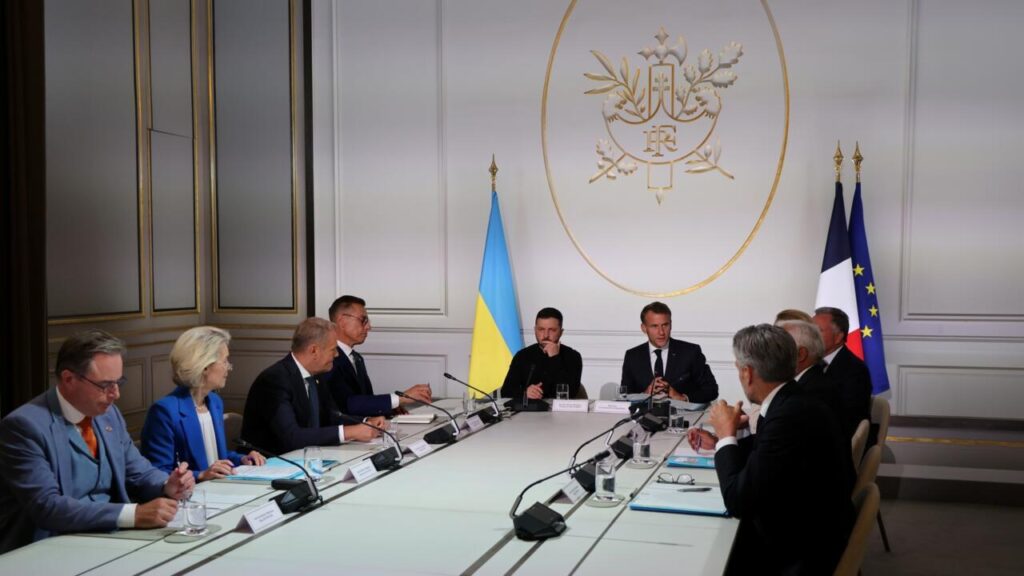
On Thursday, French President Emmanuel Macron, alongside Ukrainian President Volodymyr Zelensky, announced the coalition’s commitment, stating, “We have today 26 countries who have formally committed—some others have not yet taken a position—to deploy as a ‘reassurance force’ troops in Ukraine, or be present on the ground, in the sea, or in the air.” Zelensky hailed it as “the first such serious concrete step” toward ensuring security, with Macron clarifying the troops would not engage on the front lines but aim to “prevent any new major aggression.”
Kyiv insists that Western-backed security guarantees are essential to deter future Russian attacks, but details on troop numbers and contributions remain undisclosed.
Putin dismissed the need for such a force, claiming, “If decisions are reached that will lead to peace, to long-term peace, then I simply don’t see the point in their presence on the territory of Ukraine. Because if deals are reached, let no one doubt that Russia will comply with them in full.” Ukraine and its allies, however, point to Russia’s history of violating agreements, notably the 1994 Budapest Memorandum, where Moscow pledged to respect Ukraine’s sovereignty in exchange for its nuclear disarmament.
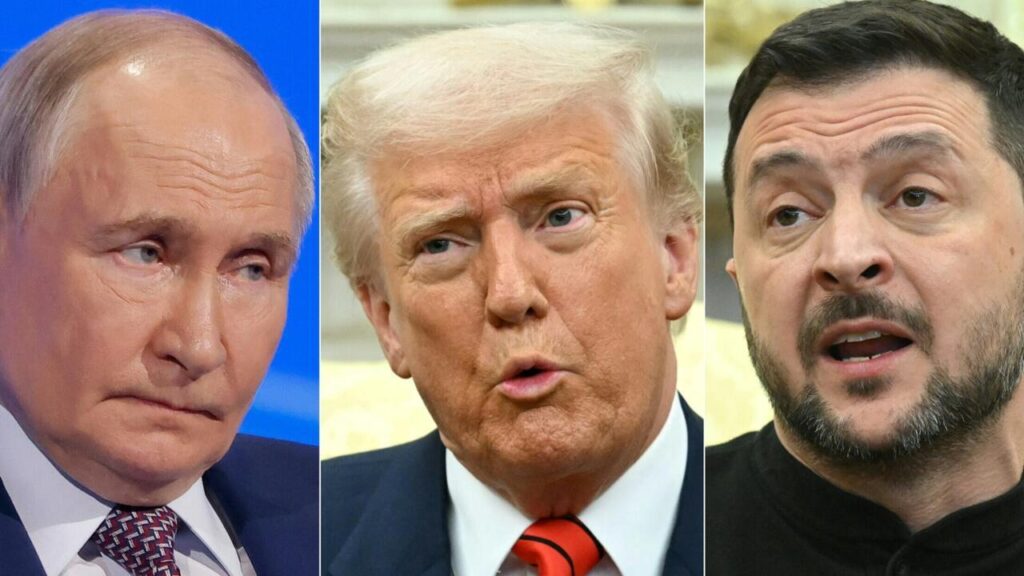
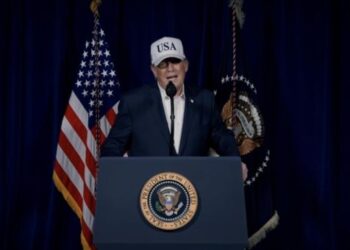
U.S. President Donald Trump’s efforts to broker talks have yielded only prisoner exchanges, with Russia demanding Ukraine cede annexed territories—Crimea, Donetsk, Luhansk, Kherson, and Zaporizhzhia—a condition Kyiv rejects as “old ultimatums.” Divisions within the coalition persist, with Germany’s Chancellor Friedrich Merz advocating pressure but remaining cautious, and the U.S. role, represented by envoy Steve Witkoff, unclear.
Putin’s remarks follow his September 3 claim in Beijing that Russian forces are advancing across all fronts, amid ongoing attacks like the September 4 Chernihiv strike that killed two Danish Refugee Council deminers.
What You Should Know
Putin’s threat on September 5, 2025, to target Western troops signals a dangerous escalation as the Paris summit’s 26-nation pledge for a reassurance force—potentially 15,000 troops—marks Europe’s boldest step to secure Ukraine post-conflict.
The coalition, including Canada, Australia, and Japan, reflects Europe’s push for autonomy amid Trump’s unpredictable diplomacy, notably his August 2025 Alaska meeting with Putin. Russia’s control of 18% of Ukrainian territory, according to 2025 UN estimates, and 1,200 civilian deaths this year fuel skepticism about Putin’s peace rhetoric, with Zelensky and Macron advocating sanctions on Russia’s $400 billion oil sector.
Germany’s hesitancy and Italy’s refusal to send troops highlight coalition fractures, while posts on X reflect European resolve but U.S. uncertainty, though unverified.
The 1994 Budapest Memorandum’s failure looms large, underscoring Ukraine’s demand for ironclad guarantees as Russian attacks, like the 500+ drones and missiles launched on September 3, continue unabated, complicating the path to peace.