Biography and Early Life
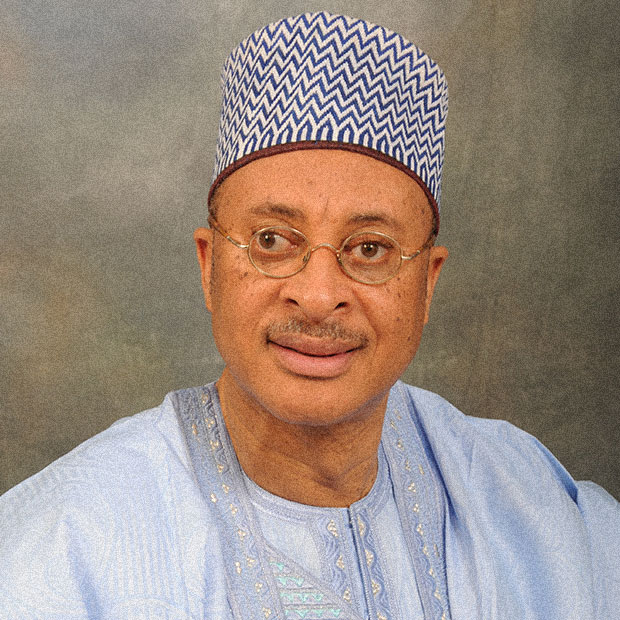
Professor Patrick Dele Utomi was born on February 6, 1956, in Lagos State, Nigeria. Growing up during Nigeria’s early post-independence years, Pat Utomi witnessed the country’s transition through various political systems ranging from the optimism of early independence through military coups to civil war and subsequent military regimes. These formative experiences shaped his lifelong commitment to democracy, good governance, and economic development.
Utomi’s upbringing instilled in him a deep appreciation for education, critical thinking, and public service. From his youth, he displayed intellectual curiosity and a passion for understanding the forces that shape societies and economies.
Educational Background
Pat Utomi’s educational credentials are exceptionally impressive, reflecting his commitment to academic excellence and continuous learning.
Undergraduate Education: He earned his Bachelor’s degree in Psychology from the University of Lagos (UNILAG), providing him with a foundational understanding of human behavior and decision-making processes.
Graduate Studies: Utomi proceeded to pursue advanced degrees in the United States, where he obtained:
- Master of Business Administration (MBA) from the Wharton School of Business at the University of Pennsylvania, one of the world’s premier business schools
- Master of Arts in Communications from San Diego State University
- Ph.D. in Political Economy from Indiana University, focusing on the intersection of politics and economics
This diverse educational background, spanning psychology, business, communications, and political economy, equipped Utomi with a multidisciplinary perspective that has characterized his work throughout his career.
Academic Career
Professor Utomi has had a distinguished academic career spanning several decades:
Lagos Business School (LBS): He is most prominently associated with Lagos Business School (Pan-Atlantic University), where he has served as:
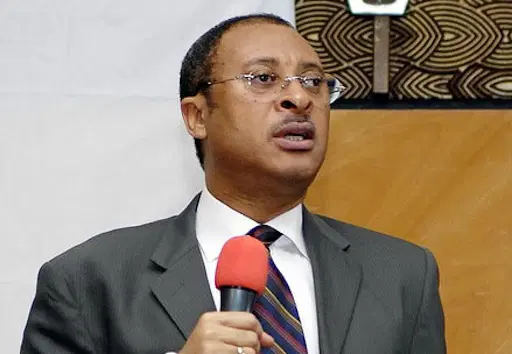
- Founding Director (1991-2000), playing a crucial role in establishing LBS as one of Africa’s leading business schools
- Professor of Political Economy and Management, teaching courses on strategy, political economy, and leadership
- Pioneer of executive education programs that have trained thousands of Nigerian and African business leaders
International Teaching: Beyond LBS, Utomi has taught at various international institutions, including serving as a visiting professor and lecturer at universities in the United States, Europe, and across Africa.
Academic Publications: He has authored numerous books, scholarly articles, and papers on political economy, management, leadership, and development. His works include:
- “Why Nations Are Poor: The Case of Nigeria”
- “Managing Uncertainty: Competition and Strategy in Emerging Economies”
- Multiple books on leadership, entrepreneurship, and economic development
His academic work consistently explores themes of governance, institutional development, entrepreneurship, and the political economy of development, particularly in African contexts.
Business and Entrepreneurship
Beyond academia, Pat Utomi has been an active entrepreneur and business leader:
Business Ventures: He has founded and invested in various businesses across sectors, including:
- Agriculture and agribusiness
- Education and training
- Consulting services
- Media and communications
CVL (Centre for Values in Leadership): Utomi founded this organization dedicated to promoting ethical leadership and values-based governance in Nigeria and Africa. CVL has become a platform for leadership development and advocacy for good governance.
Business Advocacy: He has been a vocal advocate for private sector development, entrepreneurship, and creating an enabling environment for businesses in Nigeria. His business experience informs his policy prescriptions and economic commentary.
Political Career and Activism
While primarily known as an academic and public intellectual, Pat Utomi has made several forays into partisan politics:
Presidential Campaigns
2007 Presidential Election: Utomi ran for president under the African Democratic Congress (ADC), campaigning on a platform of economic transformation, good governance, and institutional reform. Though he did not win, the campaign raised his political profile and demonstrated his willingness to move beyond commentary into active politics.
2011 Presidential Election: He attempted another presidential run but withdrew before the primaries, citing concerns about the electoral process and the need to support collective action against poor governance.
2019 Presidential Ambition: Utomi was involved in discussions about a potential presidential candidacy but ultimately did not run, instead focusing on coalition-building efforts among opposition parties.
Political Activism and Coalition Building
Beyond his own candidacies, Utomi has been deeply involved in various political movements and coalitions:
Pro-Democracy Activism: He was active in pro-democracy movements during Nigeria’s military era, advocating for a return to civilian rule and respect for human rights.
Third Force Initiatives: Utomi has been at the forefront of various “third force” movements attempting to create alternatives to Nigeria’s dominant political parties. These include:
- National Consultative Front (NCF)
- Coalition for Nigeria Movement (CNM)
- Various merger talks and coalition efforts
2023 Labour Party Support: In the 2023 elections, Utomi was a prominent supporter of Peter Obi’s presidential campaign under the Labour Party, serving as a key strategist and spokesperson. He played an important role in articulating the campaign’s economic vision and mobilizing support among intellectuals and civil society.
Public Intellectual and Media Presence
Pat Utomi is perhaps best known as one of Nigeria’s most prominent public intellectuals:
Media Commentary: He is a regular commentator on Nigerian and African affairs across multiple platforms:
- Frequent guest on television and radio programs
- Columnist for major newspapers
- Social media presence where he shares analysis and commentary
Public Speaking: Utomi is a sought-after speaker at conferences, seminars, and public forums both in Nigeria and internationally, addressing topics including:
- Economic development and industrialization
- Democracy and governance
- Leadership and institution-building
- Entrepreneurship and innovation
- African development challenges
Policy Advocacy: He has consistently advocated for:
- Economic restructuring and diversification beyond oil
- Institutional reforms and the rule of law
- Investment in education and human capital
- Private sector-led development
- Decentralization and true federalism
- Electoral reform and democratic deepening
Key Themes in Utomi’s Work
Several consistent themes run through Professor Utomi’s academic, business, and political work:
Institutional Quality: He emphasizes that poor institutions, not lack of resources, explain Nigeria’s underdevelopment. He advocates for building strong, transparent institutions as the foundation for progress.
Values and Leadership: Utomi consistently argues that Nigeria’s challenges stem from a crisis of values and ethical leadership. His CVL work reflects this conviction.
Economic Transformation: He advocates for Nigeria to move from a consumption-based, rent-seeking economy to a production-oriented, entrepreneurial economy.
Political Economy Analysis: He applies political economy frameworks to understand how power dynamics and institutional incentives shape economic outcomes.
Frustration with Status Quo: Utomi has become increasingly critical of Nigeria’s political class, which he sees as self-serving and resistant to necessary reforms.
Accomplishments and Recognition
Academic Leadership: Building Lagos Business School into a premier African institution stands as one of his lasting achievements.
Intellectual Influence: Through his writings, teaching, and commentary, Utomi has influenced generations of Nigerian business leaders, policymakers, and intellectuals.
Awards and Honors: He has received numerous awards and recognitions for his contributions to education, entrepreneurship, and public service.
International Networks: Utomi has built extensive networks across African and global institutions, serving on various boards and advisory panels.
Mentorship: He has mentored countless students, entrepreneurs, and emerging leaders who have gone on to significant achievements.
Challenges and Criticisms
Despite his accomplishments, Utomi has faced various challenges:
Electoral Failures: His unsuccessful presidential campaigns have led some to question whether intellectual excellence translates to political viability in Nigeria’s electoral context.
Coalition Building Difficulties: Despite numerous attempts, the “third force” movements he has championed have struggled to achieve electoral success, raising questions about strategy and political organizing skills.
Criticism of Repetition: Some critics argue that Utomi’s analysis, while often accurate, has become repetitive over the decades without translating into concrete change.
Elite Disconnect: While championing the masses, some question whether elite intellectuals like Utomi can truly connect with ordinary Nigerians or mobilize them effectively.
Business Ventures: Not all his business ventures have succeeded, though he remains active in entrepreneurship.
Personal Life
Pat Utomi is married and has children. He maintains a relatively private family life while being very public about his professional and political activities.
He is known for his disciplined lifestyle, intellectual rigor, and commitment to physical fitness. Colleagues and students describe him as demanding but inspiring, with high standards for himself and others.
Despite health challenges in recent years, including a well-publicized battle with cancer that he has been open about, Utomi has remained active in public life, continuing to teach, write, and advocate for his vision of a better Nigeria.
Current Activities and Continuing Influence
In recent years, Professor Utomi has:
Continued Teaching: Remained active at Lagos Business School and in executive education.
Political Commentary: Intensified his commentary on Nigerian affairs, particularly around economic policy and governance failures.
Youth Engagement: Increasingly engaged with younger Nigerians through social media and youth-focused initiatives.
Health Advocacy: Spoken publicly about his cancer journey, raising awareness about the disease and Nigeria’s healthcare challenges.
Agricultural Investment: Expanded his agricultural ventures, practicing what he preaches about economic diversification.
Legacy and Impact
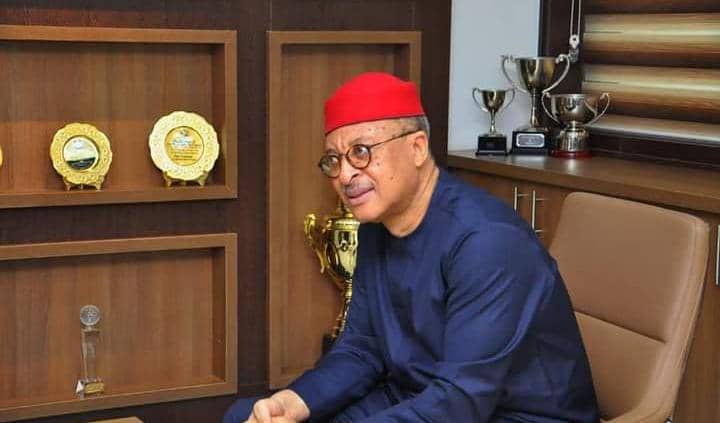
Pat Utomi’s legacy encompasses multiple dimensions:
Educational Impact: Through LBS and his teaching, he has shaped how thousands of African business leaders think about management, strategy, and leadership.
Intellectual Contribution: His writings and commentary have enriched Nigerian public discourse, even if not always leading to policy changes he advocates.
Model of Engagement: He represents a model of engaged intellectualism, refusing to remain in the ivory tower while maintaining academic rigor.
Persistence in Advocacy: Despite repeated disappointments, he has maintained consistent advocacy for democratic values, good governance, and economic transformation.
Inspiration: For many young Nigerians, particularly those aspiring to combine intellectual work with public service, Utomi serves as an inspiration and role model.
Reflections on Utomi’s Journey
Professor Pat Utomi embodies the engaged intellectual—someone who refuses to separate academic work from practical concerns, who believes ideas matter and can change societies, and who is willing to risk reputation in the political arena to advance those ideas.
His career raises important questions: What is the role of intellectuals in politics? Can academic excellence translate to political success? How should societies utilize the expertise of their best minds? Utomi’s journey offers no simple answers but provides a compelling case study.
Whether as a professor, an entrepreneur, a presidential candidate, or a public commentator, Pat Utomi has consistently challenged Nigerians to think more deeply about their country’s challenges and possibilities. His emphasis on institutions, values, and leadership, while sometimes dismissed as academic abstraction, touches on fundamental issues that Nigeria must address for sustainable progress.
Professor Pat Utomi represents a particular type of public figure, the scholar-activist who believes in the power of ideas to transform societies and is willing to engage in the messy work of politics to advance those ideas. His influence extends beyond any single achievement to the cumulative impact of decades of teaching, writing, advocacy, and example. In a Nigeria often characterized by anti-intellectualism and short-term thinking, Utomi stands as a reminder that some questions require depth, that some problems demand intellectual rigor, and that the life of the mind need not be divorced from the struggle for a better society.