
President Bola Ahmed Tinubu has granted a presidential pardon to Maryam Sanda, who was convicted in 2020 for the murder of her husband, Bilyaminu Bello, the son of former Peoples Democratic Party (PDP) National Chairman, Haliru Bello.
Sanda, who was sentenced to death by hanging by Justice Yusuf Halilu of the Federal Capital Territory (FCT) High Court, has spent six years and eight months at the Suleja Medium Security Custodial Centre before receiving clemency.
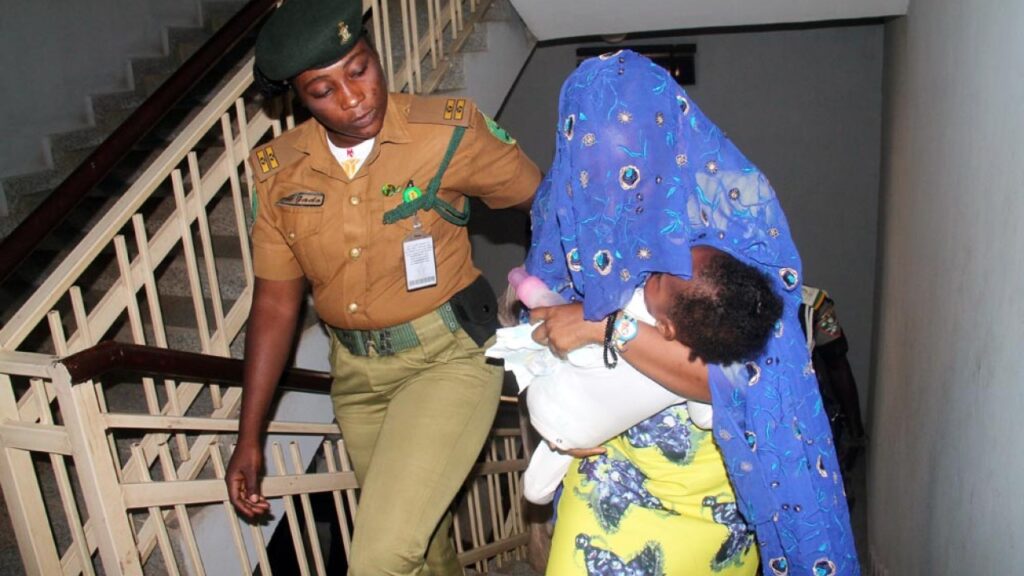
The pardon was announced in a statement released on Saturday by Bayo Onanuga, Special Adviser to the President on Information and Strategy. According to the statement, the decision followed pleas from Sanda’s family, who appealed for her release, citing the need to care for her two young children.
“The plea was also anchored on her good conduct in jail, her remorse, and her embracement of a new lifestyle, demonstrating her commitment to being a model prisoner,” the statement read.
Onanuga noted that the pardon came upon the recommendation of the Presidential Advisory Committee on the Prerogative of Mercy, chaired by the Attorney-General of the Federation and Minister of Justice, Prince Lateef Olasunkanmi Fagbemi (SAN).
The committee assessed eligible inmates based on factors such as remorse, good conduct, age, and evidence of rehabilitation through education or vocational training. Some inmates had enrolled in the National Open University of Nigeria (NOUN), while others displayed significant behavioural transformation.

Among those also granted clemency were illegal miners, white-collar offenders, repentant drug convicts, and foreign nationals. Notably, posthumous pardons were extended to figures such as Major General Mamman Vatsa, Major Akubo, Professor Magaji Garba, and environmental activist Ken Saro-Wiwa alongside the other Ogoni Eight — bringing the total number of pardoned individuals to 175.
What you should know
Maryam Sanda, sentenced to death in 2020 for killing her husband, has been pardoned by President Tinubu after serving over six years.
The decision, based on recommendations of the Presidential Advisory Committee on Mercy, considered her remorse, good conduct, and family circumstances.