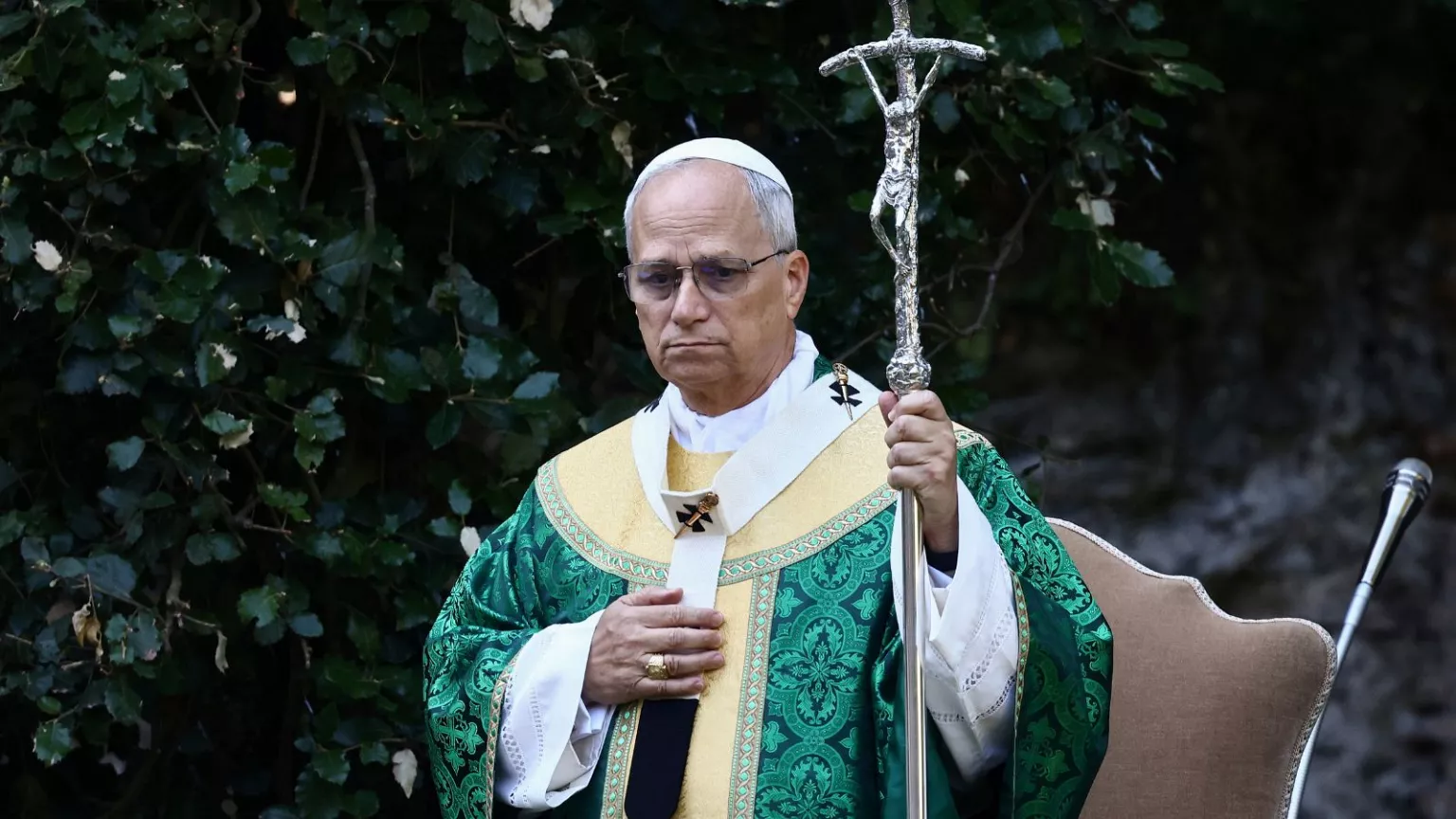
Pope Leo XIV has made it clear that the Vatican will not act as a “silent bystander” in the face of human rights abuses, using a Saturday address to newly accredited ambassadors to outline his guiding principles as the new head of the Catholic Church.
Speaking to 13 ambassadors at the Vatican, the US-born pontiff delivered one of his strongest messages yet about his vision since assuming leadership of the Church in May following the passing of Pope Francis.
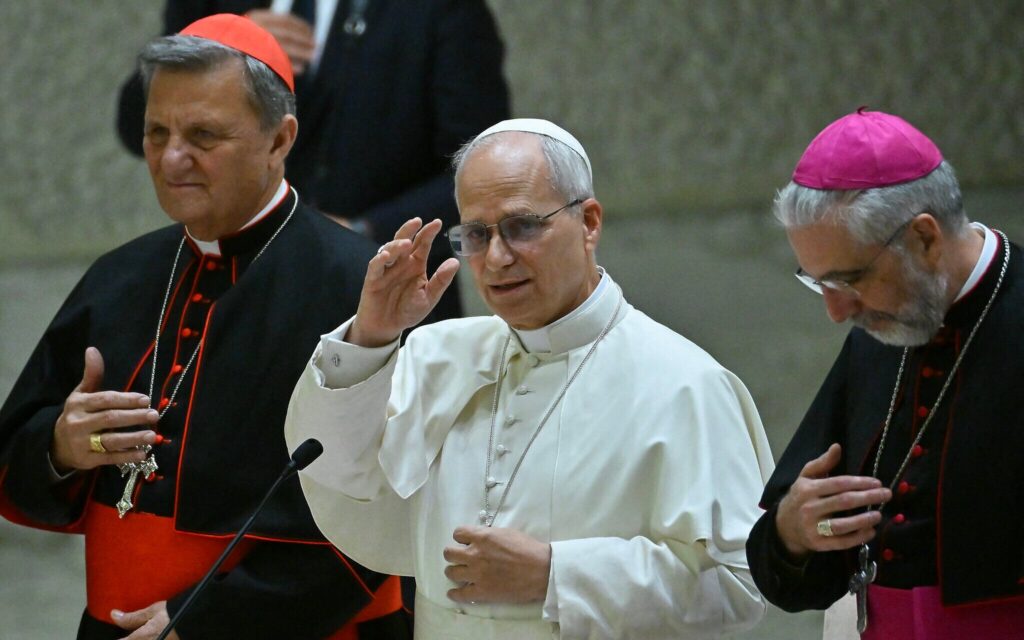
“I wish to reaffirm that the Holy See will not be a silent bystander to the grave disparities, injustices, and fundamental human rights violations in our global community, which is increasingly more fractured and conflict-prone,” he told the diplomats.
He reminded them that the Holy See—the administrative and spiritual leadership of the Catholic Church—carries responsibility for advocating moral clarity and defending the vulnerable across the globe. As leader of a Church with 1.4 billion followers, he noted that its diplomacy remains focused on “serving the good of humanity,” with special attention to those “poor, in vulnerable situations or pushed to the margins of society”.
Pope Leo’s message reflects continuity with the priorities of his predecessor, Pope Francis, particularly concerning inequality and the protection of migrants. Leo spent nearly two decades working as a missionary in Peru, an experience that has shaped his activism and rhetoric regarding people forced into precarious conditions.
Last month, he openly criticised the treatment of migrants in the United States under President Donald Trump, calling it “extremely disrespectful.” His comments added to a growing sense that his papacy will be outspoken on humanitarian concerns affecting marginalised communities.
The new ambassadors formally welcomed at the Vatican represented Uzbekistan, Moldova, Bahrain, Sri Lanka, Pakistan, Liberia, Thailand, Lesotho, South Africa, Fiji, Micronesia, Latvia, and Finland.
What You Should Know
Pope Leo XIV is signalling a clear stance on global human rights issues, reinforcing that the Vatican under his leadership will actively speak against injustice.
His background as a missionary and his commitment to defending vulnerable populations align with his firm statements on inequality and migration. His continuity with Pope Francis’ humanitarian approach suggests ongoing prioritisation of global moral advocacy, while his openness in criticising policies affecting migrants points to a papacy willing to challenge political authorities on ethical grounds.
His engagement with newly accredited ambassadors further establishes his diplomatic direction.