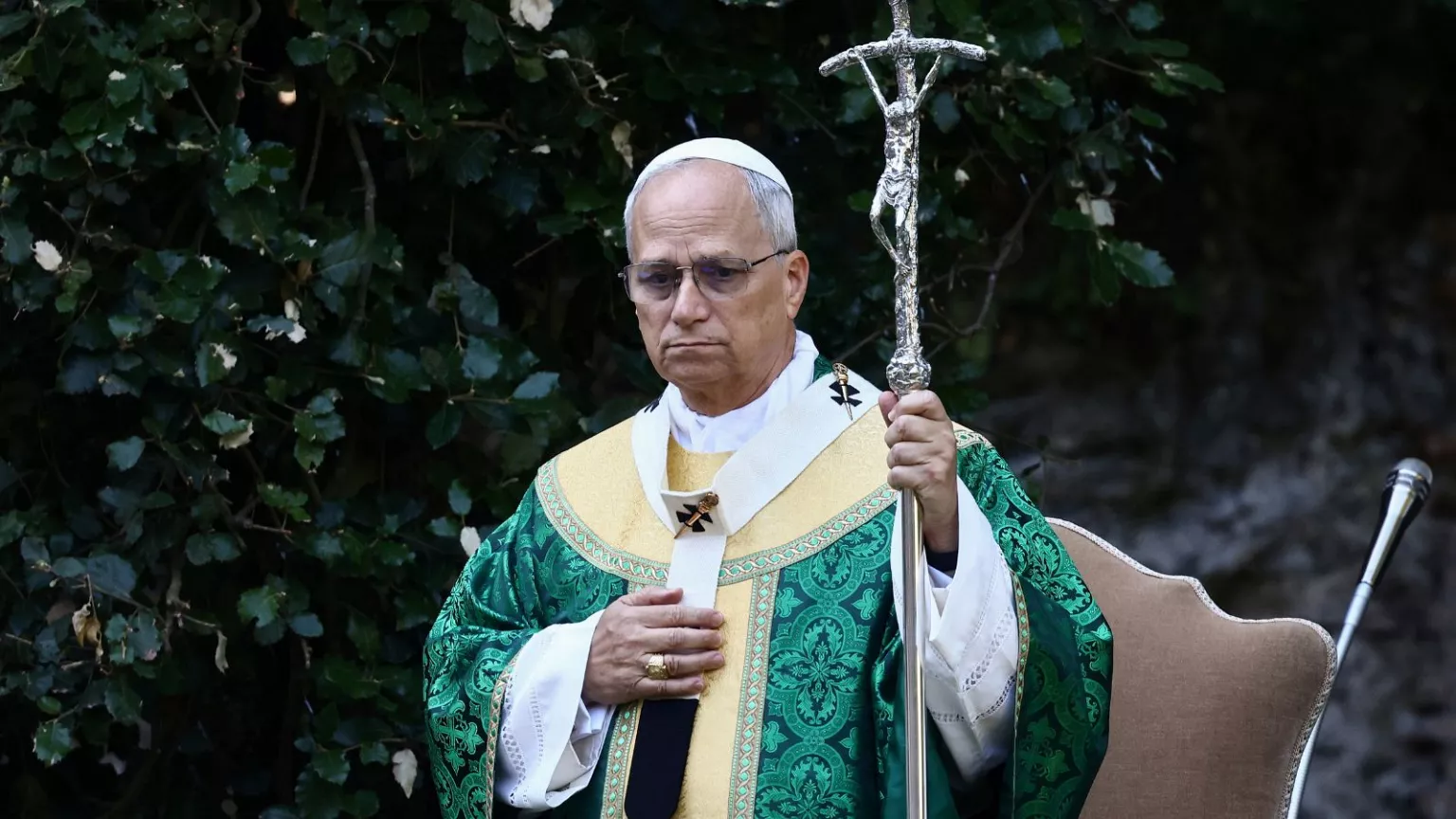
Pope Leo XIV has condemned the spate of violent attacks sweeping across Nigeria, expressing deep grief over the loss of lives and urging authorities to act firmly to safeguard citizens.
“It is with sorrow and concern that I learned of the recent attacks against various communities in Nigeria, leading to a heavy loss of life. I express my prayerful closeness to all the victims of violence and terrorism,” the pontiff wrote in a message shared on his official X handle, noting that he received news of the incidents with serious concern.
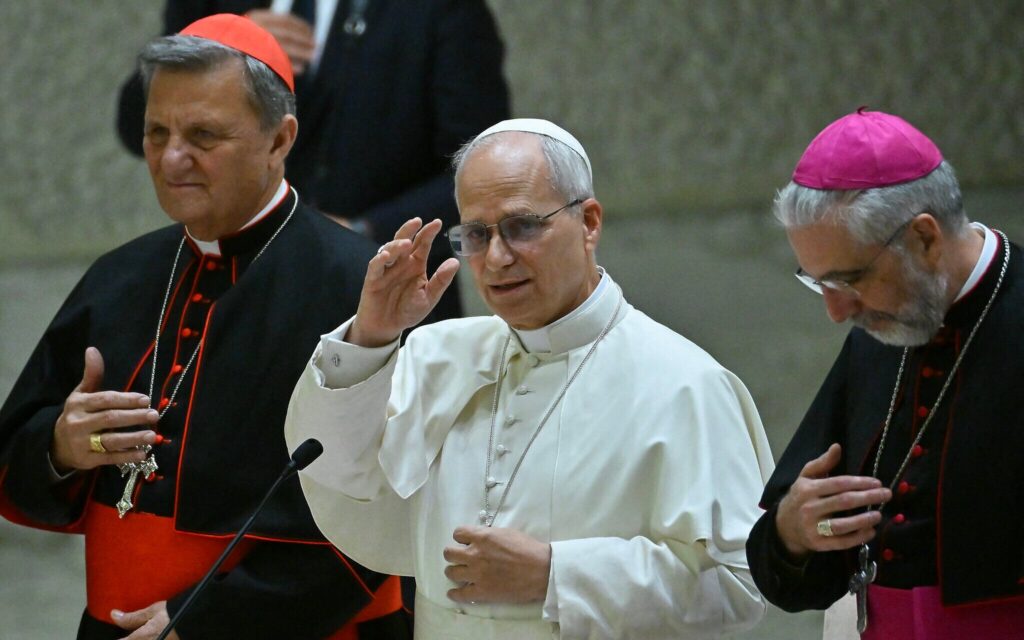
“I likewise hope that the competent Authorities will continue to work with determination to ensure the safety and protection of the life of every citizen. #PrayTogether.”
The Pope’s remarks come against the backdrop of a string of deadly assaults reported in different parts of the country, with Kwara State recording the most severe episode.
Between February 3 and 4, 2026, armed attackers descended on the Woro and Nuku communities in Kaiama Local Government Area of Kwara State, an incident residents have described as a massacre.
Although some reports put the death toll at 162, local officials and survivors believe more than 200 people may have been killed, as bodies are still being recovered from nearby bush areas. However, the police and Kwara State Governor, Abdulrahman Abdulrazaq, officially confirmed that 75 people lost their lives in the attack.
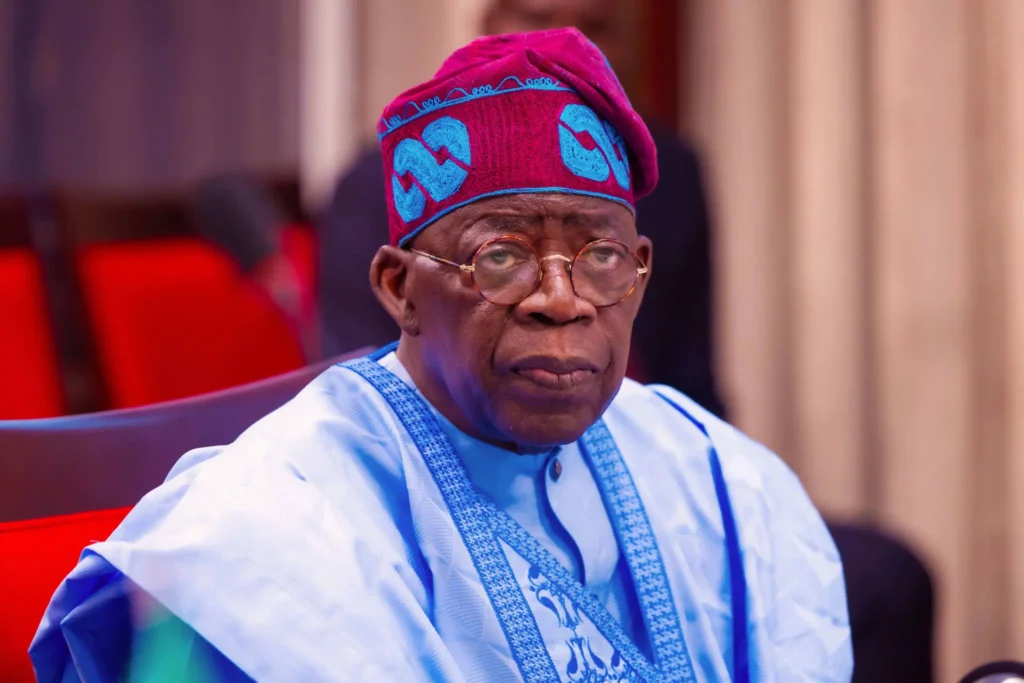
Following the killings, President Bola Tinubu ordered the deployment of additional troops to the affected area and announced a nationwide security emergency. A full army battalion has since been stationed in Kaiama under a new military operation designed to restore peace. Vice President Kashim Shettima also travelled to Ilorin on February 7 to sympathise with the state government and communities impacted by the violence.
The bloodshed attracted widespread international condemnation. The United Nations, the United States, and Türkiye all denounced the attacks and called for accountability.
In separate reactions, the countries described the violence as heinous, while Türkiye pledged military assistance to support Nigeria’s fight against insecurity.
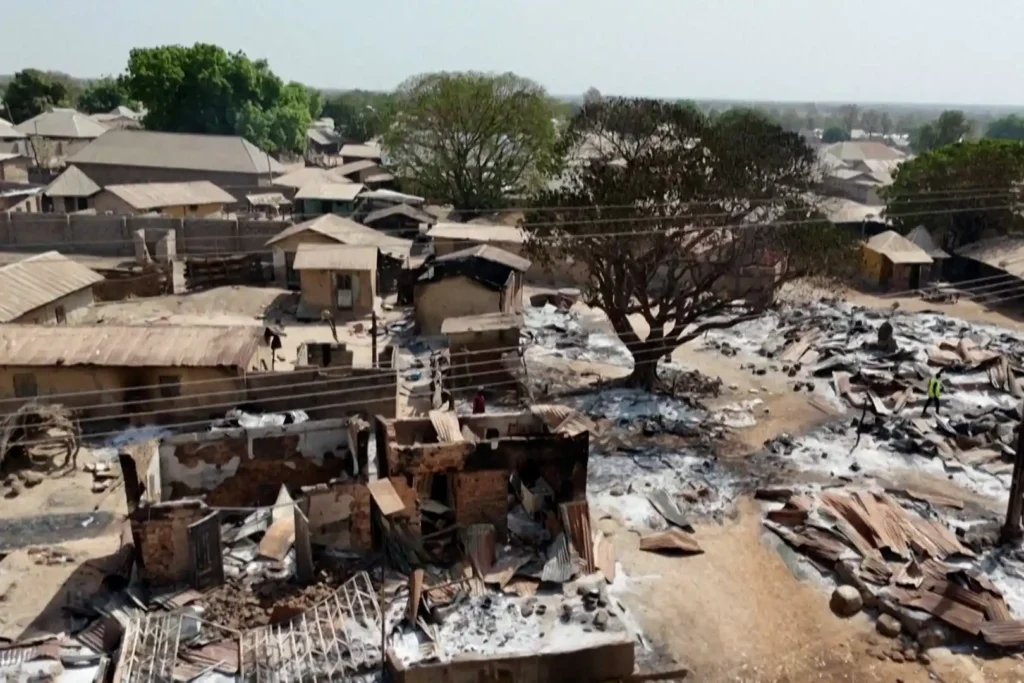
Amnesty International, however, faulted the Nigerian government over what it termed grave security failures, pointing out that residents had allegedly warned of looming attacks weeks before the massacre occurred.
Elsewhere in the country, similar incidents were recorded within the same period. In Katsina State, armed groups reportedly killed between 21 and 35 people in Doma village, Tafoki ward, during coordinated house-to-house raids that were said to have broken a five-month peace agreement between the community and local armed gangs.
In Benue State, suspected armed herdsmen attacked the Abande settlement in Kwande Local Government Area on February 3, killing at least 16 people, including a Mobile Police officer, and looting the local market.

Likewise, in Niger State, gunmen struck communities in Agwara and Mashegu local government areas on February 1, setting a police station on fire and abducting several residents.
The latest wave of attacks has once again highlighted Nigeria’s deepening security crisis, intensifying calls for stronger protection of vulnerable communities and more decisive action against armed groups operating across the country.
What you should know
Nigeria is experiencing a surge in coordinated violent attacks across multiple states, particularly in the North-Central and North-West regions.
The assaults have drawn international concern, including condemnation from Pope Leo XIV and global bodies. While the Federal Government has responded with troop deployments and emergency measures, rights groups argue that early warnings were ignored.
The situation has renewed debates around intelligence gathering, community protection, and the effectiveness of Nigeria’s security response.