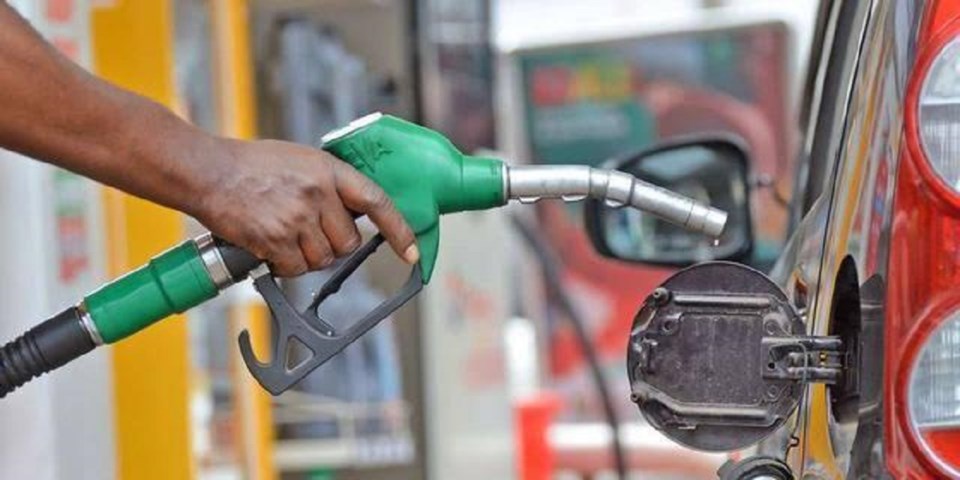
Nigeria’s fuel supply chain faces significant disruption starting Monday as the Independent Petroleum Marketers Association of Nigeria (IPMAN) Western Zone announced a complete shutdown of operations, escalating tensions in the country’s volatile petroleum sector.
The strike, affecting five major depots across Southwest Nigeria, stems from what industry insiders describe as a fundamental power struggle over the future structure of Nigeria’s downstream petroleum market. At the center of the controversy are two major players: the much-anticipated Dangote Refinery and MRS Energy Ltd., whose expansion into direct fuel distribution has sparked fierce resistance from established marketers.
Chief Oyewole Akanni, Chairman of IPMAN’s Western Zone, delivered the union’s ultimatum following an emergency zonal council meeting in Ibadan on Saturday. The gathering brought together depot chairmen, officers, and secretaries from across the Southwest, underscoring the gravity of the situation facing Nigeria’s petroleum distribution network.
“This is about the survival of our members’ businesses and the livelihoods of thousands of Nigerians,” Akanni told the News Agency of Nigeria, his words reflecting growing anxiety within the independent marketing sector. The union represents operators who collectively manage over 4,000 fuel transport trucks—a logistics network that has traditionally served as the backbone of Nigeria’s fuel distribution system.
The timing of this confrontation is particularly significant, coming as Nigeria grapples with persistent fuel shortages and price volatility that have plagued the economy for years. The Dangote Refinery, Africa’s largest single-train facility with a capacity of 650,000 barrels per day, has been positioned as a game-changer for Nigeria’s energy independence. However, its entry into direct distribution represents a vertical integration that threatens to bypass traditional middlemen.
Legal Battle Lines Drawn
The dispute has taken on legal dimensions, with IPMAN citing alleged violations of the Petroleum Industry Act (PIA)—Nigeria’s landmark 2021 legislation designed to overhaul the oil and gas sector. According to Akanni, the law explicitly prohibits companies that refine crude oil from engaging in direct product distribution, a provision he describes as being “flagrantly breached.”
This legal argument strikes at the heart of Nigeria’s regulatory framework for the petroleum sector. The PIA was crafted to prevent vertical monopolization and ensure competitive markets, but its implementation has faced numerous challenges since its passage.
Solidarity and Job Security
The IPMAN strike extends beyond immediate business concerns, incorporating solidarity with the Nigeria Union of Petroleum and Natural Gas Workers (NUPENG) over job security issues affecting petroleum tanker drivers. This alliance between different segments of the petroleum value chain demonstrates the widespread anxiety about industry consolidation.
The human cost of this dispute is substantial. Akanni warned that “many drivers and motor boys risk losing their jobs,” while “thousands of members’ investments could be jeopardized.” These concerns reflect broader economic anxieties in a country where the petroleum sector employs millions, either directly or indirectly.
Market Implications
The shutdown threatens to exacerbate Nigeria’s chronic fuel supply challenges. Southwest Nigeria, encompassing states like Lagos, Ogun, Oyo, Osun, Ondo, and Ekiti, represents one of the country’s most economically vital regions. Lagos alone, as Nigeria’s commercial capital, consumes a significant portion of the nation’s petroleum products.
The strike’s impact extends beyond immediate fuel availability. Transportation costs, already strained by currency devaluation and inflation, could spike further, affecting everything from food prices to manufacturing costs across the Southwest corridor.
Industry Transformation at Crossroads
This confrontation represents more than a labor dispute; it signals a critical juncture in Nigeria’s petroleum sector evolution. The entry of major players like Dangote Refinery into distribution could potentially streamline supply chains and reduce costs—objectives that align with government policy goals of energy security and price stability.
However, the resistance from established marketers highlights the complex social and economic ecosystems built around Nigeria’s traditional petroleum distribution model. The independent marketers have historically served as crucial intermediaries, providing employment and business opportunities across the country.
Government Response Awaited
As the Monday deadline approaches, attention turns to the federal government’s response. The Nigerian National Petroleum Corporation (NNPC) and relevant regulatory bodies will likely face pressure to mediate this dispute, balancing the need for market modernization against the concerns of existing stakeholders.
The outcome of this standoff could set important precedents for how Nigeria manages the transition toward a more integrated petroleum sector while addressing the legitimate concerns of established industry players.
What’s Next
With all IPMAN Western Zone members expected to comply with the shutdown order, Nigeria faces the prospect of significant fuel supply disruptions starting Monday. The union’s unified front—encompassing council members, officers, depot chairmen, and secretaries—suggests this is not merely a negotiating tactic but a serious industrial action with potentially far-reaching consequences.
As Nigeria continues its complex journey toward energy sector reform, this dispute underscores the challenges of balancing market efficiency with existing stakeholder interests in one of Africa’s most important petroleum markets.
WHAT YOU SHOULD KNOW
Nigeria’s fuel supply faces major disruption starting Monday as petroleum marketers in the Southwest shut down operations, protesting what they claim is illegal monopolization by Dangote Refinery and MRS Energy moving into direct fuel distribution.