Summary
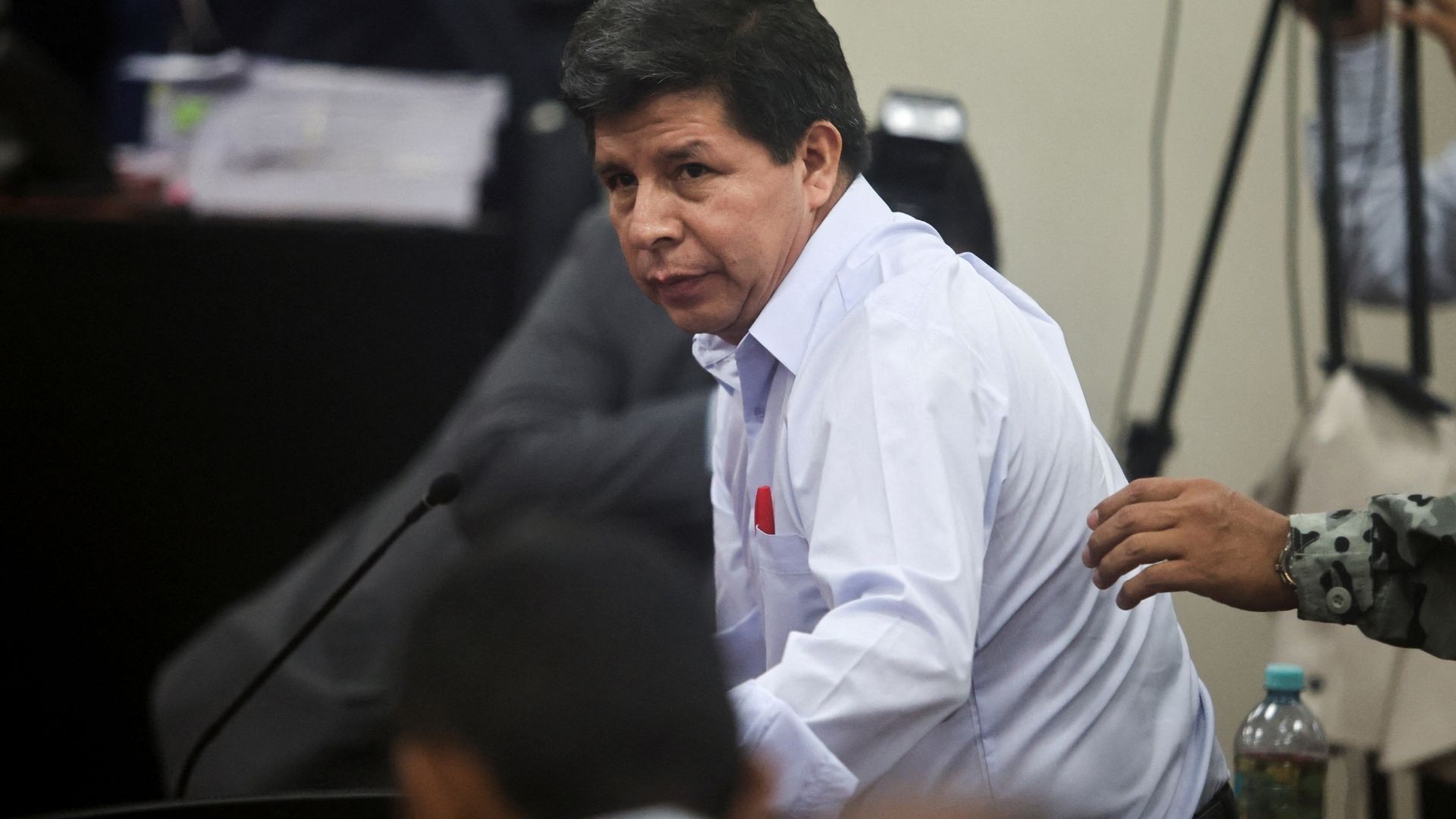
Peru’s Supreme Court on Thursday handed former president Pedro Castillo a prison sentence of more than 11 years after ruling that he attempted to dissolve Congress and assume extraordinary powers to avoid impeachment.
Castillo, often described as Peru’s first president from a poor rural background, came from a career in teaching and union activism with no previous political office before rising to the presidency. His term was marked by constant clashes with an opposition-controlled Congress, which he accused of protecting elite interests and undermining his administration throughout his 16 months in office.
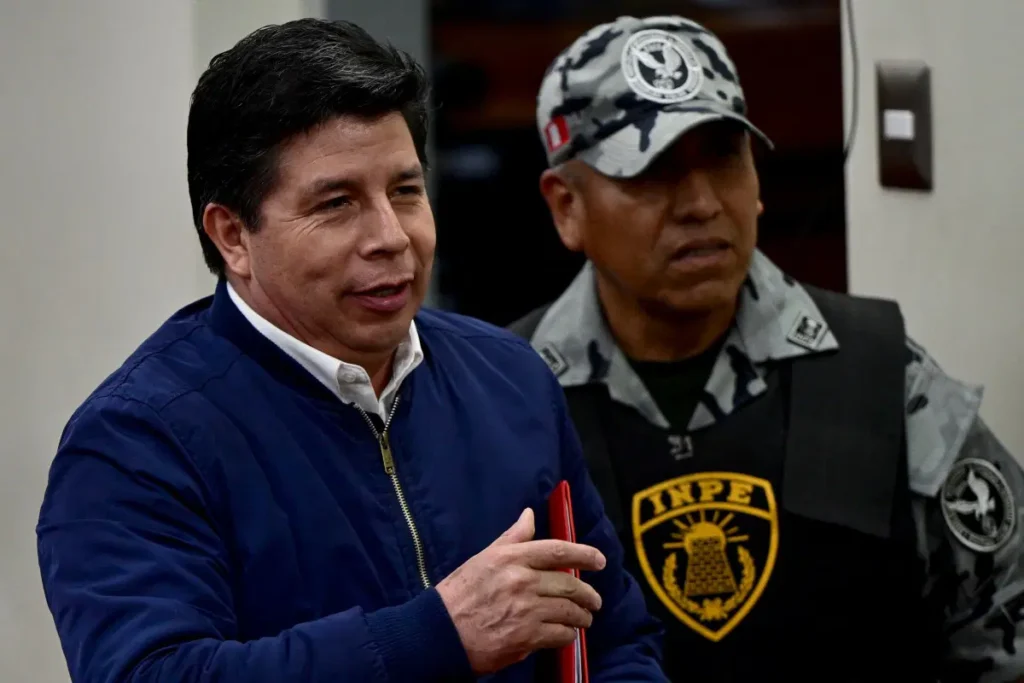
His downfall began in December 2022 when he announced plans to dissolve Congress and govern by decree in a bid to halt impeachment proceedings tied to corruption allegations. The move quickly collapsed as members of his own government refused to support what prosecutors labeled an attempted coup, leading to his removal from office and immediate arrest.
The Supreme Court, delivering its decision in a lengthy session, found Castillo guilty of “conspiracy to commit rebellion” against “the powers of the state and the constitutional order.” He was acquitted of separate allegations involving abuse of power and disturbing public order. The court issued a sentence of 11 years, five months, and 15 days—far below the 34-year term prosecutors had sought.
Castillo has been held at a special detention facility designated for former leaders, located within a police base near Lima. Other former presidents also jailed at the facility on corruption-related charges include Martin Vizcarra, Ollanta Humala, and Alejandro Toledo. Vizcarra received his own sentence—14 years—just a day before Castillo’s ruling.
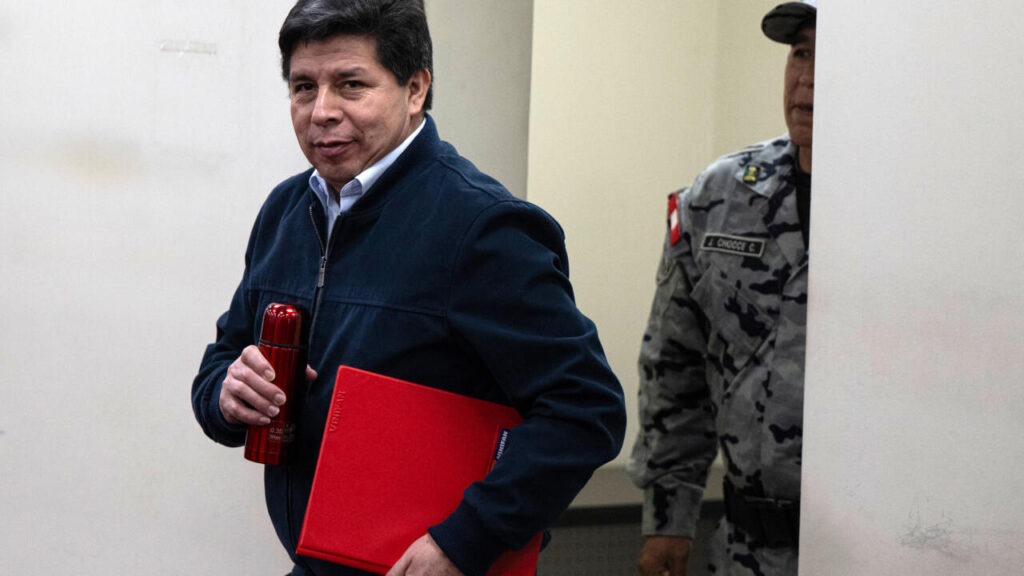
Castillo was arrested while attempting to reach the Mexican embassy to seek asylum. His wife and children have lived in exile since then. Supporters gathered outside the prison on Thursday, with many insisting he is innocent and a victim of political persecution. “We demand justice,” said Julia Buendia, 54, reflecting the sentiments of his rural base.
Castillo’s former prime minister, Betssy Chavez, was also sentenced to 11 and a half years for her role in the events, though she had already obtained asylum from Mexico—a move that led Peru to sever diplomatic ties with the country over alleged interference. Peru’s interim president, Jose Jeri, has not dismissed the possibility of police entering the Mexican embassy to arrest her.
Castillo’s removal in 2022 sparked widespread demonstrations among his grassroots supporters, which were met with force, resulting in at least 50 deaths. His successor, Dina Boluarte, faced significant unrest during her turbulent 22 months in office before being impeached in October. She was replaced by Jeri, who had been serving as speaker of Congress.
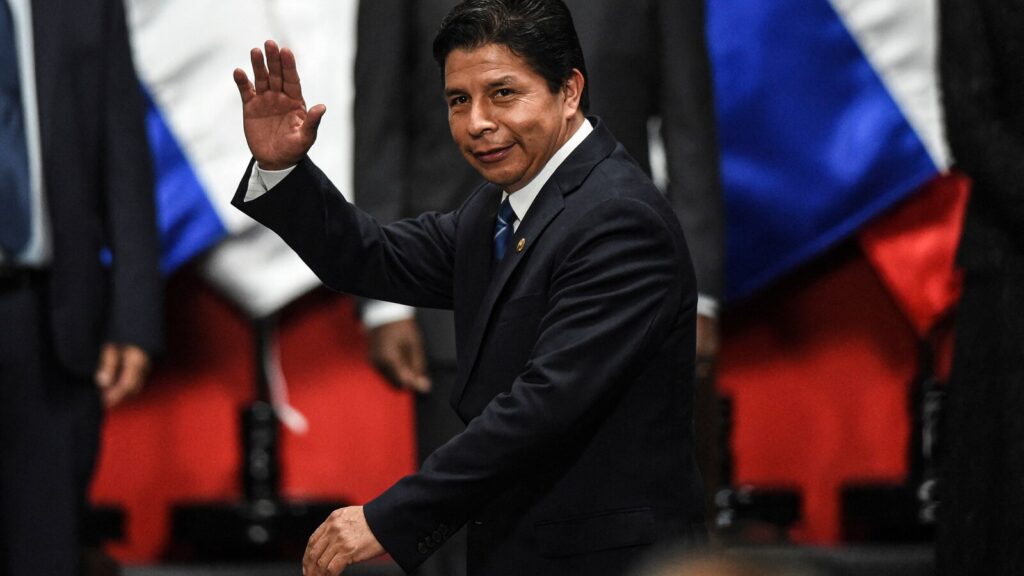
Peru continues to face deep political instability, having cycled through seven presidents since 2016. Three were removed through impeachment, two resigned to avoid it, and only one completed an interim term.
What You Should Know
Pedro Castillo’s sentencing underscores Peru’s ongoing political volatility, marked by repeated presidential removals and deep divides between rural working-class supporters and a powerful opposition-led Congress.
His failed attempt to dissolve Congress, followed by mass protests and harsh crackdowns, remains a defining chapter in the country’s modern democratic challenges.