The International Committee of the Red Cross (ICRC) has revealed that more than 23,659 people remain missing across Nigeria, leaving 13,595 families in distress, with many of them, mostly women, grappling with grief, uncertainty, and economic hardship.
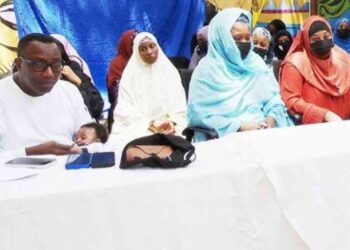
Speaking during the commemoration of the International Day of the Disappeared on Sunday in Damaturu, Mr. Ishaku Luka, Protection of Family Links Team Leader of the ICRC, disclosed that women make up 68 percent of those still seeking answers, while 59 percent of the missing were minors at the time of their disappearance.
Luka highlighted that Yobe State alone accounts for 2,500 unresolved cases, with the majority reported in Gujba Local Government Area.
“Behind every missing person is a family living in pain, uncertainty and economic difficulty. The anguish is compounded by legal, administrative and psychosocial challenges. These families deserve acknowledgement, care and support,” Luka stated.
He explained that disappearances remain one of the most devastating consequences of armed conflicts, natural disasters, and migration, urging governments, conflict parties, and communities to intensify efforts to prevent such tragedies.
Sharing progress made, Luka said that as of June 30, ICRC had received 451 new cases in Nigeria while successfully closing 515. He also revealed that the organisation facilitated the reunification of seven children with their families.
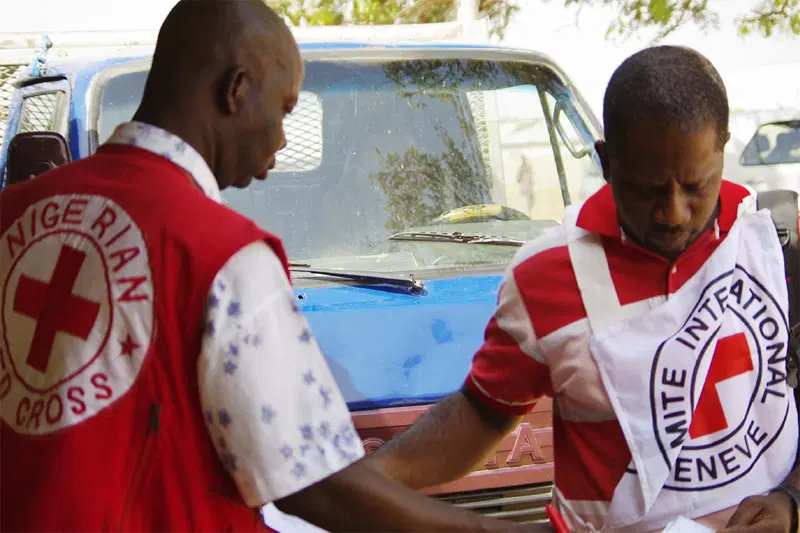
“Every day, worldwide, we help reunite 20 people with their families. Every hour, we help clarify the fate of two missing people. Every minute, we help four separated persons contact their loved ones,” he added.
Also speaking, Mr. Rashid Hassan, Head of the ICRC Sub-delegation in Damaturu, emphasised that families of missing persons should never be abandoned in their struggles.
“Time does not heal. Acknowledgement, answers and respect do. Families must know that their loved ones are not forgotten and their demands are heard,” Hassan stressed.
Hassan explained that ICRC, in partnership with the Nigerian Red Cross Society (NRCS), has provided psychosocial support, livelihood empowerment, and orientation initiatives for families of missing persons in Adamawa and Borno states.
He urged authorities to fulfil their obligations by clarifying the fate of the missing, preserving the dignity of the dead, and addressing the financial and social burdens on affected households. He further called on society to show compassion, avoid stigmatisation, and support the resilience of families searching for answers.
Globally, Hassan disclosed, over 94,000 people were newly registered as missing in 2024, raising the total to 284,400. He noted, however, that this figure represented only a portion of the actual cases.
“As we commemorate this day, we renew our commitment to advocate for the rights of the disappeared and to push for continuous efforts in searching for answers. No family should live with the torment of uncertainty,” Hassan concluded.
What you should know
The International Committee of the Red Cross (ICRC) has been instrumental in tracing missing persons and reuniting families affected by conflict, disasters, and migration.
In Nigeria, where thousands remain unaccounted for, the organisation continues to advocate for government responsibility and community support, while offering humanitarian assistance to families left in uncertainty.