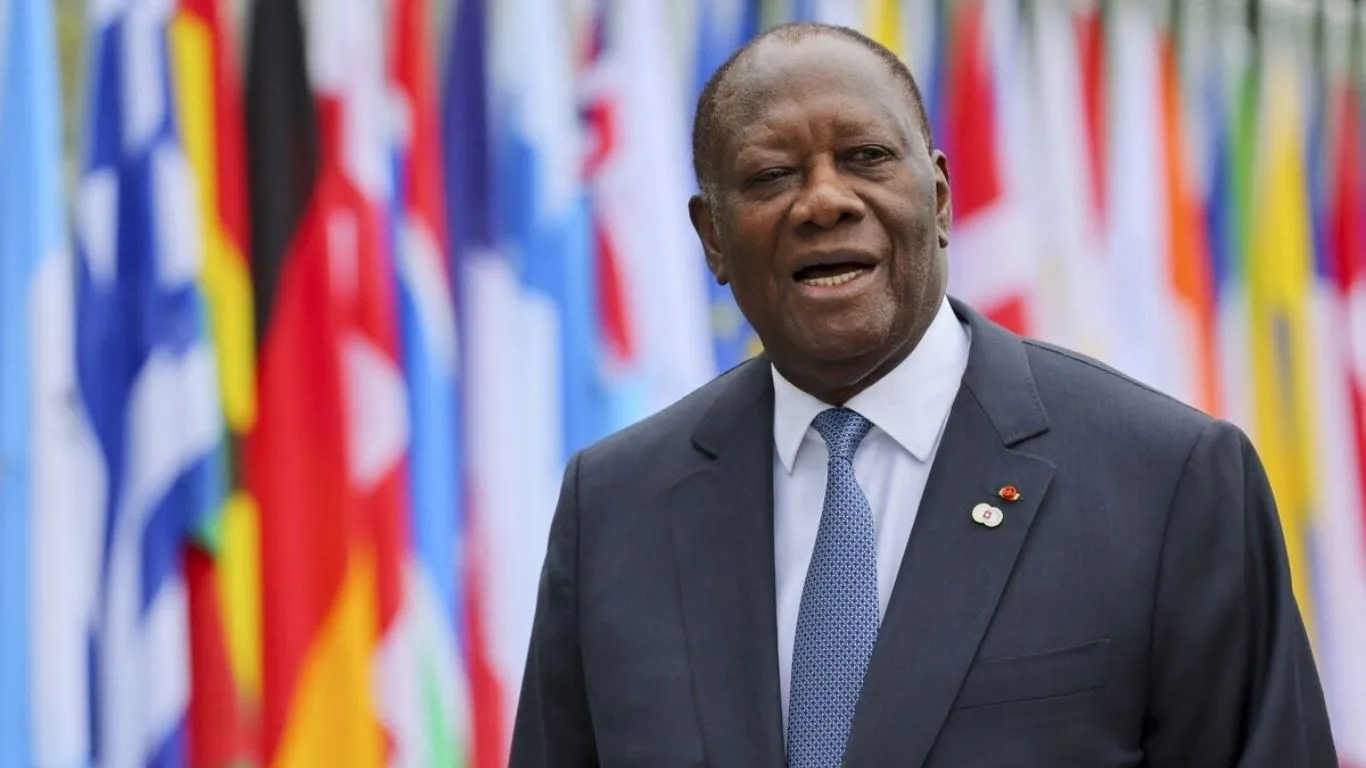
Ivory Coast’s President Alassane Ouattara appeared set for a fourth term in office on Sunday, as early results pointed to a sweeping victory in an election overshadowed by controversy and the exclusion of key opposition figures.
The 83-year-old leader, who has been in power since 2011, maintained a commanding lead in several northern regions—his traditional strongholds—where he reportedly secured more than 90 percent of the votes, with voter turnout approaching 100 percent.
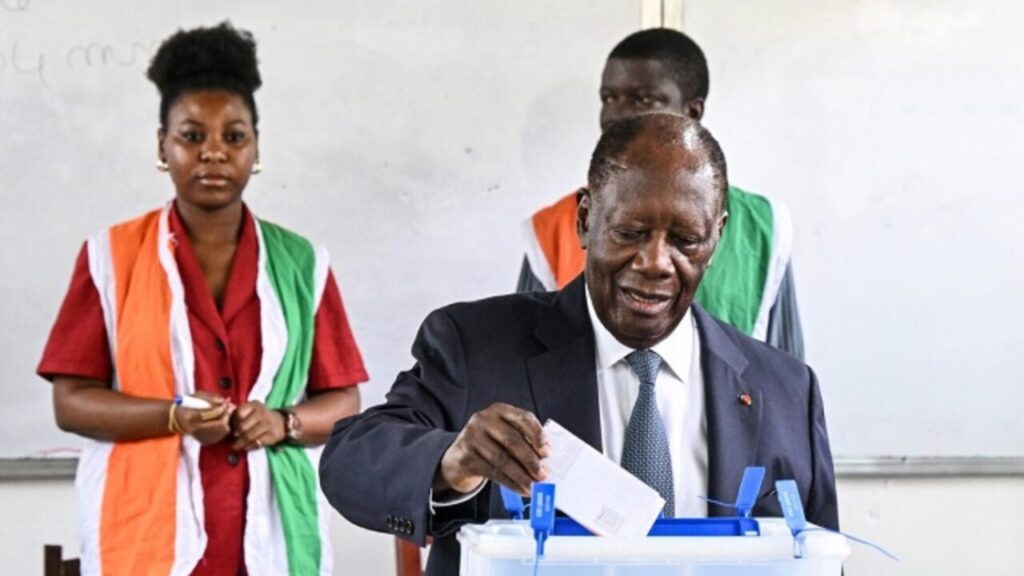
Ouattara, who has overseen the steady growth of the world’s top cocoa producer over the past decade, also performed strongly in areas of the south and parts of Abidjan, the country’s economic capital, where polling stations saw very low turnout on election day.
The Independent Electoral Commission is expected to release results from all regions by the end of Sunday, with a nationwide tally likely to be announced later that evening or early Monday.
Simon Doho, leader of the opposition Democratic Party of Ivory Coast (PDCI), told AFP that the election revealed “a very clear divide between the north and the south,” while voicing concern over the low turnout. “Doubts can be raised about the legitimacy of a president elected under these conditions,” he added.
Electoral commission president Ibrahime Coulibaly-Kuibiert estimated turnout at around 50 percent—roughly the same as in 2020, when Ouattara won with 94 percent of the vote after a boycott by major opposition parties.
Violence and Controversy Mar Election Period
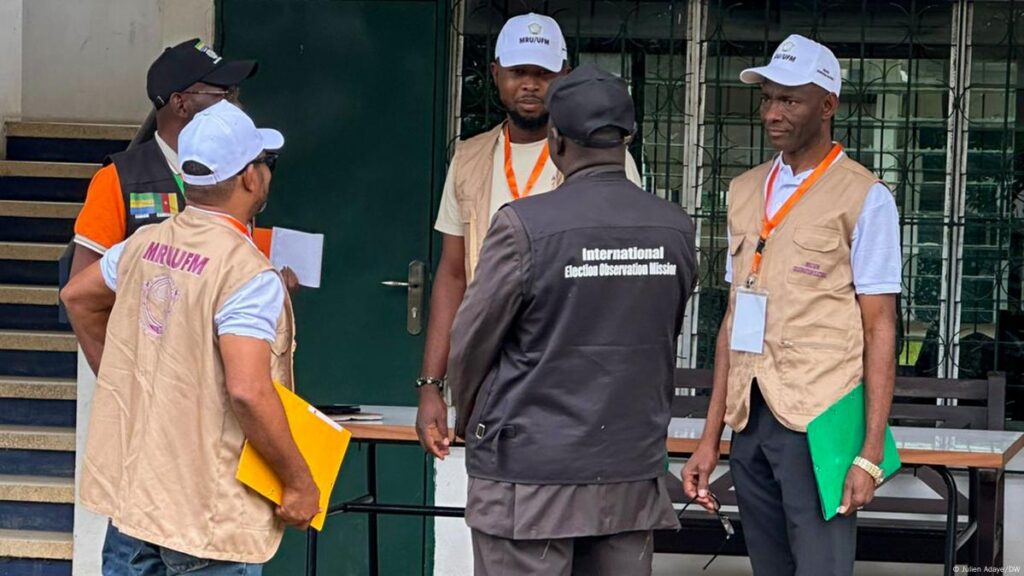
This year’s election was marked by tension even before ballots were cast. Two of Ouattara’s strongest potential challengers—former president Laurent Gbagbo and former Credit Suisse CEO Tidjane Thiam—were barred from contesting. Gbagbo was ruled ineligible due to a prior criminal conviction, while Thiam’s French citizenship disqualified him from running.
With prominent opponents excluded, Ouattara’s victory appeared all but certain. None of the remaining four candidates represented major political parties or possessed the grassroots support of the ruling Rally of Houphouetists for Democracy and Peace (RHDP).
While voting day was largely peaceful, security forces confirmed that disturbances occurred at around 200 polling stations nationwide. Interior Minister Vagondo Diomande said clashes broke out in parts of the south and west but insisted they had “no major impact on the voting process.”
Tragically, a 13-year-old boy was fatally shot in Gregbeu, a town in the centre-west, while another victim—a Burkinabe national—was killed in the Gadouan region. Security sources reported that 22 others sustained injuries from gunshots or stabbings, with one person in critical condition.
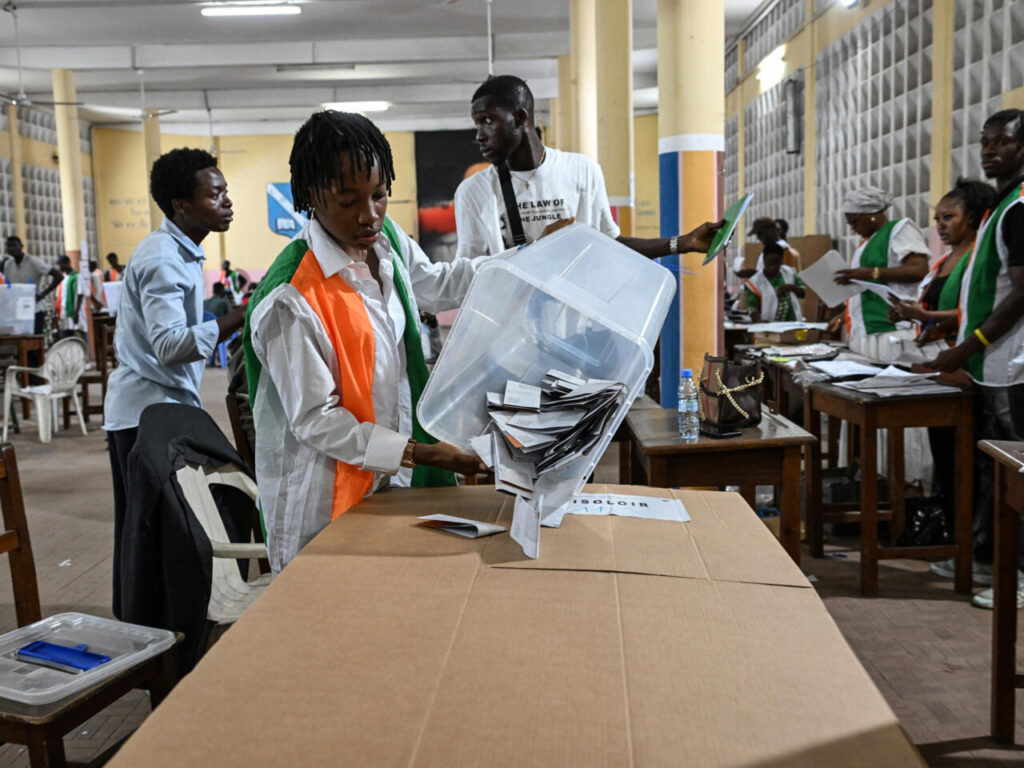
Overall, six people have died in election-related violence this month. In response, the government imposed a nighttime curfew in several areas and deployed 44,000 security personnel to maintain order. Demonstrations were also banned, and dozens of people have been sentenced to three-year prison terms for “disturbing the peace.”
Despite the unrest, President Ouattara appeared confident and smiling as he arrived at his party headquarters in Abidjan on Saturday evening, greeted by cheers from supporters celebrating what many already view as his decisive re-election.
What You Should Know
Alassane Ouattara, an economist and long-serving president of Ivory Coast, first came to power in 2011 after years of political instability.
Under his leadership, the country regained its position as West Africa’s economic powerhouse, but his decision to seek a fourth term has sparked criticism over democratic backsliding.
With key opposition figures barred and voter turnout low, his likely re-election raises questions about political inclusivity and the legitimacy of the country’s electoral process.