Fresh Concerns Over Police Interference in Judicial Matters

Fresh concerns are emerging within Nigeria’s legal community following the arrest and detention of an Osogbo-based lawyer, Barrister Lekan Alabi, by operatives of the Special Weapons and Tactics (SWAT) unit, allegedly over a land dispute currently before the Osun State High Court.
The arrest, which sources described as sudden and controversial, is raising wider questions about possible police interference in matters already undergoing judicial review, particularly where courts have delivered judgment and ex parte orders.
Testing Nigeria’s Commitment to Due Process
Legal analysts warned that the development may test Nigeria’s commitment to due process and the long-standing legal doctrine designed to prevent what is commonly described as “judicial ambush,” a situation where one party is caught unprepared due to undisclosed evidence or external pressure during ongoing litigation.
The Legal Principle at Stake
Courts of competent jurisdiction traditionally emphasize full and timely disclosure of evidence to ensure fairness to all parties. Legal scholars maintain that the credibility of the judiciary depends heavily on strict adherence to this principle.
Historical Precedents Underscore the Issue
The sensitivity surrounding judicial impartiality is underscored by historical precedents. In one widely cited case, a man sentenced to death after nearly two decades of litigation was granted a retrial after his counsel uncovered that the trial judge had previously acted as legal counsel to a party connected to the dispute.
Although there was no proven evidence of bias, legal authorities ruled that the mere possibility or appearance of conflict of interest was sufficient to compromise public trust. The court consequently halted the execution and ordered a fresh trial before a different judge.
Legal observers argue that such precedents establish that justice must not only be done but must also be seen to be done, a standard now being referenced in discussions surrounding Barrister Alabi’s arrest.
Inside the Osogbo Arrest
Multiple sources familiar with the incident disclosed that SWAT operatives from Abuja reportedly stormed Barrister Alabi’s office on Tuesday afternoon in what eyewitnesses described as a coordinated operation.
He was allegedly handcuffed and detained at the State Criminal Investigation Department (SCID) office located at Ring Road, Osogbo.
Plans to Transfer to Abuja
Sources within the legal circle further claimed that preparations were being made to transfer him to Abuja for further questioning on a land matter that the State High Court had already delivered a sound judgment on, instead of advising the aggrieved party to approach the Court of Appeal as earlier advised by the same Nigeria Police Force.
Attempts to obtain official confirmation from SWAT authorities were unsuccessful as of press time.
The Background: A 28-Year-Old Court Judgement
Investigations revealed that Barrister Alabi has been involved in a contentious land dispute that has lingered in Osun State courts for several years.
The case, according to court documents reviewed by legal observers, had earlier undergone judicial scrutiny leading to a judgment by the State High Court in 1997 with costs against the judgment debtor, which made the judgment debtor abandon the appeal 28 years ago.
Suspicious Timing of the Arrest
Notably, insiders disclosed that a date for the enforcement application before the State High Court has been fixed, a development that has intensified concerns about the timing of the arrest.
Pattern of Invitations and Arrests Raises Red Flags
Sources close to the dispute revealed that the lawyer had previously received multiple police invitations relating to the same land matter from SWAT, which he honored.
Why Is SWAT Involved in a Civil Dispute?
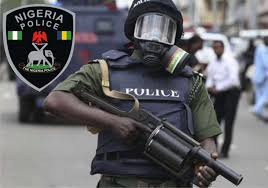
Critics argue that the repeated involvement of SWAT, a tactical unit primarily established to combat violent crime, in a civil land dispute raises significant procedural and jurisdictional questions.
Legal practitioners monitoring the situation have privately expressed fears that such actions, if unchecked, could create a chilling effect on lawyers representing clients in contentious cases.
Growing Institutional Concerns
The development comes amid renewed warnings from key regulatory bodies against police interference in civil disputes.
Police Service Commission’s Warning
The Chairman of the Police Service Commission, DIG Hashimu Argungu, had recently reaffirmed the Commission’s resolve to sanction officers found violating human rights or unlawfully intervening in land disputes.
NBA President Speaks Out
Similarly, the President of the Nigerian Bar Association (NBA), Mr. Maxi Afam Osigwe, SAN, had earlier criticized police involvement in prosecutorial decisions, particularly instances where law officers were questioned or invited to exercise their constitutional powers, including entering a nolle prosequi.
Osigwe warned that such actions risk undermining Nigeria’s constitutional safeguards and could erode the independence of legal and prosecutorial institutions.
Broader Implications for Nigeria’s Justice System
Legal experts consulted during this investigation warn that if law enforcement agencies begin to play active roles in disputes before courts, it could blur the delicate boundary between investigation and adjudication.
They argued that the rule of law depends heavily on each institution operating strictly within its constitutional mandate.
A Precedent-Setting Case?
Observers are therefore closely watching how authorities will address the controversy surrounding Barrister Alabi’s detention, noting that the outcome may set important precedents regarding police conduct in ongoing judicial matters.
The Missing Title Documents
Meanwhile, the Zonal Command of the Nigeria Police Force (NPF), Zone XI, Osogbo, Osun State, had earlier intervened in the matter, where they demanded that Teslim Olaiya Latona (who is now using operatives of SWAT) to produce his title document to the disputed plot of land to give the police the opportunity to advise the parties accordingly.
However, he (Latona) refused to bring out his title document, believing that he would use the Abuja Police (SWAT), who would not ask for his land title documents before they descended to persecute and victimize the lawyer of the judgment creditor, Barrister Lekan Alabi.
Current Status
As of the time of filing this report, Barrister Alabi remains in custody at the SCID, Osogbo, while legal stakeholders continue to call for transparency, due process, and respect for judicial independence.
Key Takeaways
- Barrister Lekan Alabi was arrested by SWAT over a land dispute already settled by a court judgement in 1997
- SWAT’s involvement in a civil matter raises questions about jurisdictional overreach
- A pending enforcement application suggests the arrest may be timed to interfere with the judicial process
- The opposing party refused to produce title documents to the local police command before deploying SWAT from Abuja
- Regulatory bodies have warned against police interference in civil disputes and judicial matters
- The case could set precedents for police conduct in ongoing court cases
- A N500 million fundamental rights enforcement case is pending against the police
Summary
Barrister Lekan Alabi, an Osogbo-based lawyer, was arrested by Nigeria’s Special Weapons and Tactics (SWAT) unit over a land dispute that has already been settled by the Osun State High Court since 1997. The arrest has sparked concerns about police interference in judicial matters, violation of due process, and the growing trend of law enforcement involvement in civil disputes. With a N500 million fundamental rights enforcement case pending against the police and key regulatory bodies warning against such overreach, this case could set important precedents for the independence of Nigeria’s justice system.
Contact Information for Follow-up
FPRO, Hudeyin: +2347062606717
SWAT IPO, Ola King: +2348106356128
Osun PPRO Abiodun Ojelabi: +2347067790449
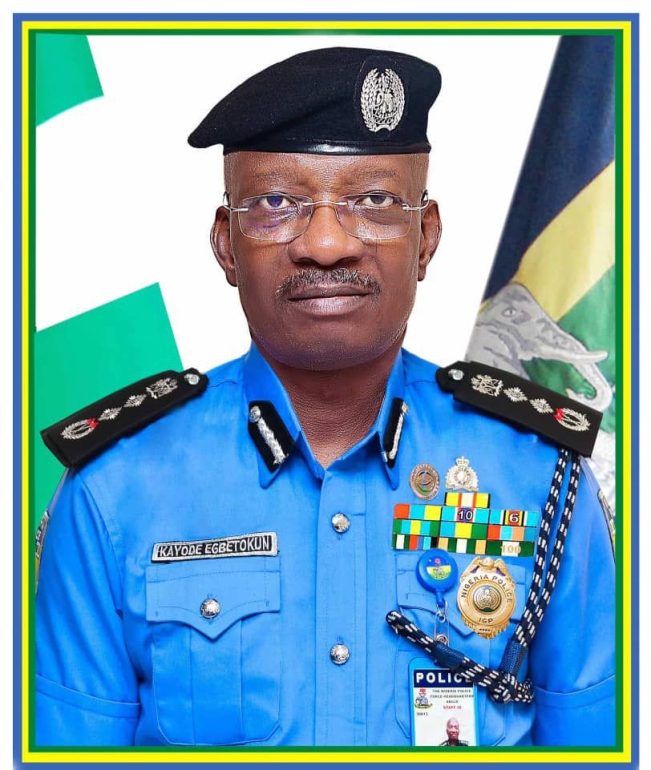
IGP Egbetokun: +2348059666666
by Eniafe Alawo