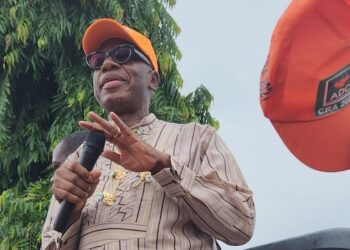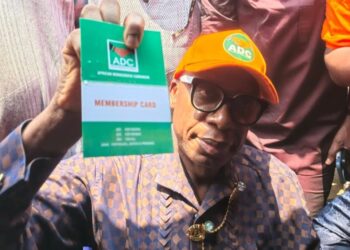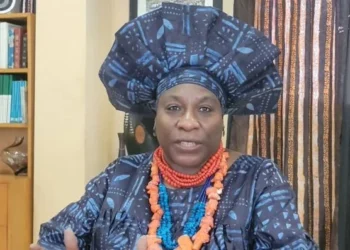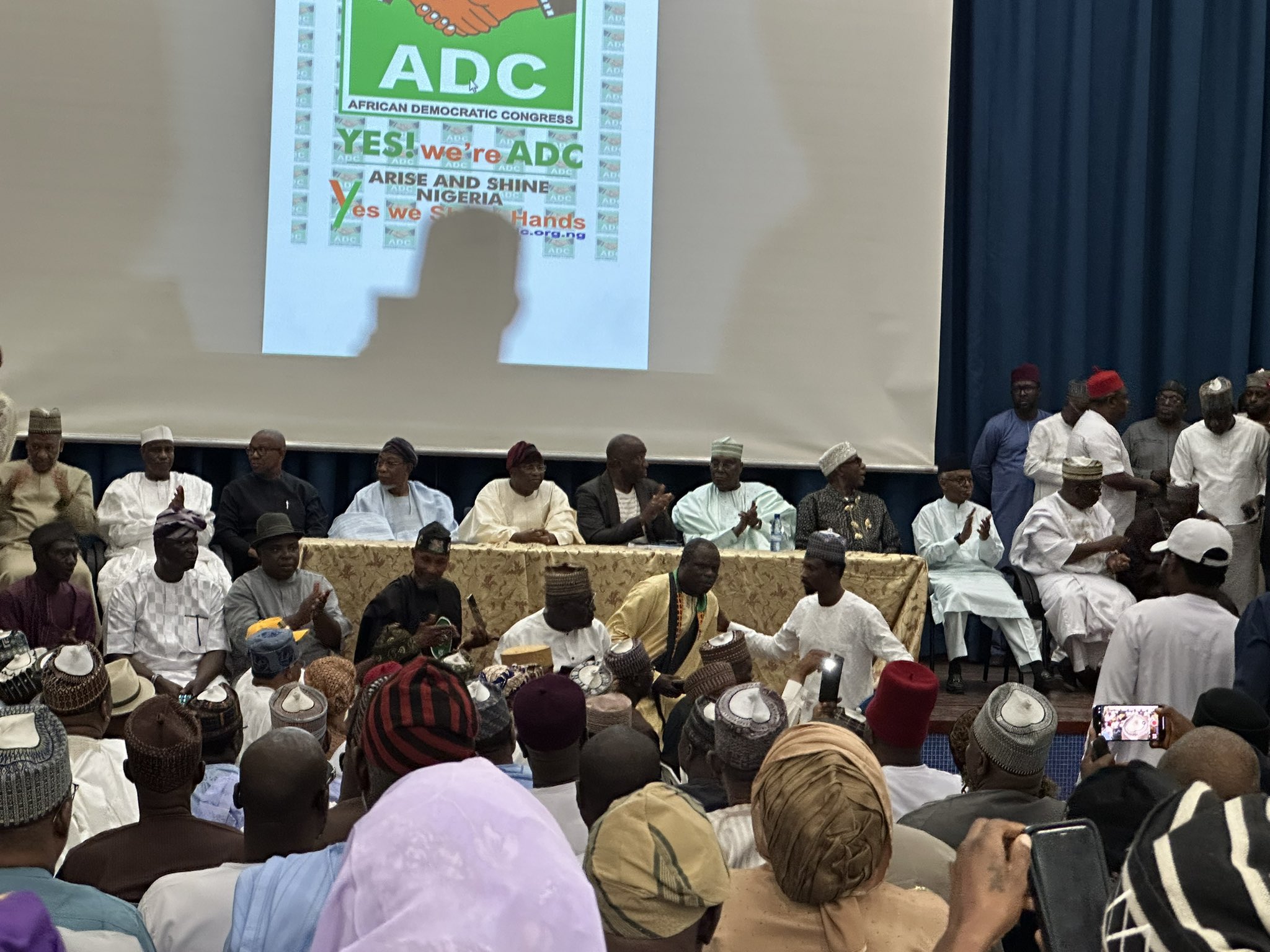
Prominent Nigerian opposition figures converged at the Shehu Yar’Adua Centre in Abuja for the rescheduled unveiling of the African Democratic Congress (ADC) as their unified political platform to challenge President Bola Tinubu and the All Progressives Congress (APC) in the 2027 general elections.
The event, initially set for the Wells Carlton Hotel and Apartments in Asokoro, was abruptly cancelled on Wednesday morning due to an “internal compliance matter,” despite full payment, prompting allegations of political interference by the APC.
Organizers, including media personality Dele Momodu and coalition member Salihu Lukman, accused figures like FCT Minister Nyesom Wike of pressuring the hotel, which reportedly served as Wike’s residence post-appointment. The ADC announced the venue change via X, confirming the event would proceed at 2:00 PM at the Yar’Adua Centre.
Key attendees included former Vice President Atiku Abubakar (PDP), Labour Party’s 2023 presidential candidate Peter Obi, former Kaduna Governor Nasir El-Rufai, former Rivers Governor Rotimi Amaechi, former Senate President David Mark (interim ADC National Chairman), former Osun Governor Rauf Aregbesola (interim National Secretary), former Sports Minister Solomon Dalong, Senator Dino Melaye, Senator Ireti Kingibe (LP, FCT), former Benue Governor Gabriel Suswam, former Deputy Speaker Emeka Ihedioha, former Chief of Air Staff Air Marshal Sadique Abubakar (retd.), and media mogul Dele Momodu.
Other reported figures included former governors Sule Lamido, Liyel Imoke, Aminu Tambuwal, Sam Egwu, and former APC National Chairman John Oyegun.
David Mark, who resigned from the PDP on June 27, 2025, citing its leadership crisis, presided over the unveiling.
A communiqué read by Mark criticized Tinubu’s administration for “failed campaign promises,” citing economic hardship and insecurity, and positioned the ADC as a vehicle to “rescue Nigeria.” Peter Obi’s proposal for a single four-year presidential term was submitted to the coalition, with Yunusa Tanko of the Obidient Movement emphasizing Obi’s commitment to integrity-driven leadership.
The ADC, founded in 2005 and registered by INEC in 2006, was chosen after INEC’s delays in registering the coalition’s proposed All Democratic Alliance (ADA).
The coalition faces challenges, including selecting a presidential candidate amid North-South power rotation debates and integrating diverse political factions. Atiku’s potential candidacy has sparked resistance from southern supporters, while Obi’s team insists he will not accept a vice-presidential role.
Despite the setback, opposition leaders, backed by activist Deji Adeyanju, vowed to press forward, with Adeyanju urging figures like NNPP’s Rabiu Kwankwaso to join.
The APC dismissed the coalition as ineffective, with Bala Ibrahim asserting Tinubu’s 2027 victory.
What You Should Know
- The ADC was unveiled as the opposition’s 2027 platform at the Yar’Adua Centre on July 2, 2025, after Wells Carlton Hotel cancelled the original event, allegedly due to APC pressure.
- Key figures included Atiku Abubakar, Peter Obi, Nasir El-Rufai, Rotimi Amaechi, David Mark (interim Chairman), and others, aiming to unseat Tinubu.
- Mark criticized the PDP’s decline and Tinubu’s governance, while Obi proposed a single-term presidency for the coalition.
- The ADC, adopted after INEC stalled the All Democratic Alliance, faces challenges in candidate selection and regional power dynamics.
- Opposition leaders remain defiant despite the cancellation, with plans to strengthen the coalition, while the APC downplays its impact.