Oil prices edged lower in Asian trading hours on Tuesday, with market participants weighing a complex mix of bearish supply dynamics against geopolitical uncertainties that would typically support crude values.
Brent’s crude futures, the international benchmark, declined 27 cents—or 0.4 percent—to settle at $63.79 per barrel by 0717 GMT. The U.S. benchmark, West Texas Intermediate crude, similarly retreated 27 cents, or 0.5 percent, to $59.86 per barrel. The modest losses came despite both benchmarks posting gains of approximately 40 cents during the previous trading session.
Government Shutdown Progress Fails to Lift Sentiment
The potential resolution of what has become the longest government shutdown in U.S. history provided only limited support to energy markets. The Senate’s approval of a compromise funding measure, which now advances to the House of Representatives where Speaker Mike Johnson has indicated he aims to secure passage as early as Wednesday, has generated broad market optimism. However, this positive development has proven insufficient to overcome persistent concerns about crude oversupply that continue to weigh on oil prices.
OPEC Production Increases Fuel Oversupply Fears
Market analysts point to a deteriorating supply-demand balance as the primary factor capping any potential price gains. “As OPEC production increases grind on, global oil balances are acquiring an increasingly bearish hue on the supply side of the ledger with demand still trending lower in conjunction with a slowed economic growth path among major oil-consuming countries,” analysts at energy advisory firm Ritterbusch and Associates wrote in a client note.
The production dynamics have shifted notably following OPEC+’s recent policy decisions. Earlier this month, the oil producers’ alliance agreed to increase December output targets by 137,000 barrels per day—maintaining the same pace as October and November increases. The group also announced a pause in production increases for the first quarter of next year, though this measure has done little to alleviate market concerns about current supply levels.
Russian Sanctions Create Market Uncertainty
Adding complexity to the market outlook, U.S. sanctions targeting Russian oil majors Rosneft and Lukoil continue to reverberate through global energy markets. ANZ analysts noted Tuesday that while the oil glut from rising OPEC supply has driven increasingly bearish investor sentiment in recent weeks, these sanctions remain a significant focus for market participants.
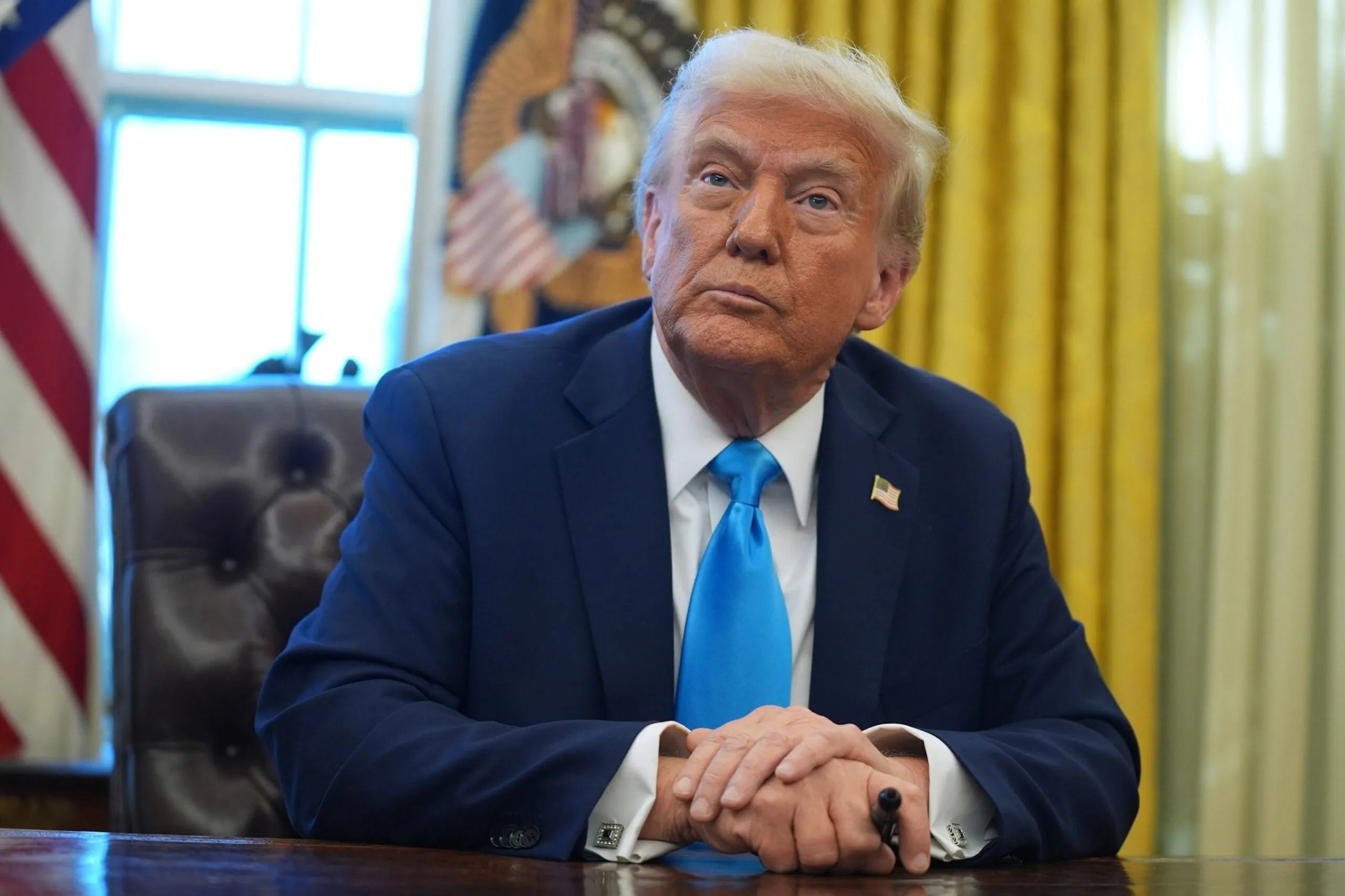
The ramifications of President Donald Trump‘s latest measures against Russian energy companies are becoming increasingly apparent. Lukoil has declared force majeure at Iraq’s West Qurna-2 oil field, which it operates—marking the most significant disruption yet from sanctions imposed last month. Additionally, Bulgaria is reportedly preparing to seize the company’s Burgas refinery.
Asian Storage Buildup Signals Demand Disruption
The sanctions’ impact on oil flows has manifested in unusual storage patterns. Industry analysts report that the volume of oil stored aboard ships in Asian waters has doubled in recent weeks as tightening Western sanctions have disrupted traditional export routes to China and India. The situation has been exacerbated by importing quota limitations that have curtailed demand from independent Chinese refiners. In response, some refiners in both China and India have pivoted to purchasing crude from Middle Eastern suppliers and other alternative sources.
China’s Strategic Response Remains Key Variable
Looking ahead, market observers identify China’s strategic petroleum reserve policy as a critical factor that could alter the bearish trajectory. Ritterbusch analysts noted that one potential challenge to oil’s negative outlook “is the extent to which China will continue to push Russian supplies into strategic stockpiles and whether India will succumb to Trump’s suggestions that the country defer further purchases from Russia.”
This dynamic represents a delicate balance between geopolitical pressures and economic pragmatism, with major Asian consumers weighing the benefits of discounted Russian crude against potential diplomatic and economic consequences from Washington.
As markets continue to digest these competing factors, traders appear to be giving greater weight to fundamental supply concerns over geopolitical risk premiums—at least for now. Whether these calculus shifts will depend largely on how Russian export disruptions evolve and whether major consuming nations adjust their purchasing strategies in response to U.S. pressure.
WHAT YOU SHOULD KNOW
Oil prices fell despite geopolitical tensions because markets are primarily concerned about oversupply. OPEC’s continued production increases and weakening global demand are outweighing the potential supply disruptions from U.S. sanctions on Russian oil companies.
The critical wildcard: whether China will absorb discounted Russian crude into its strategic reserves or bow to U.S. pressure—a decision that could determine oil’s near-term direction. Bottom line: abundant supply is currently more powerful than sanctions risk in driving prices down.