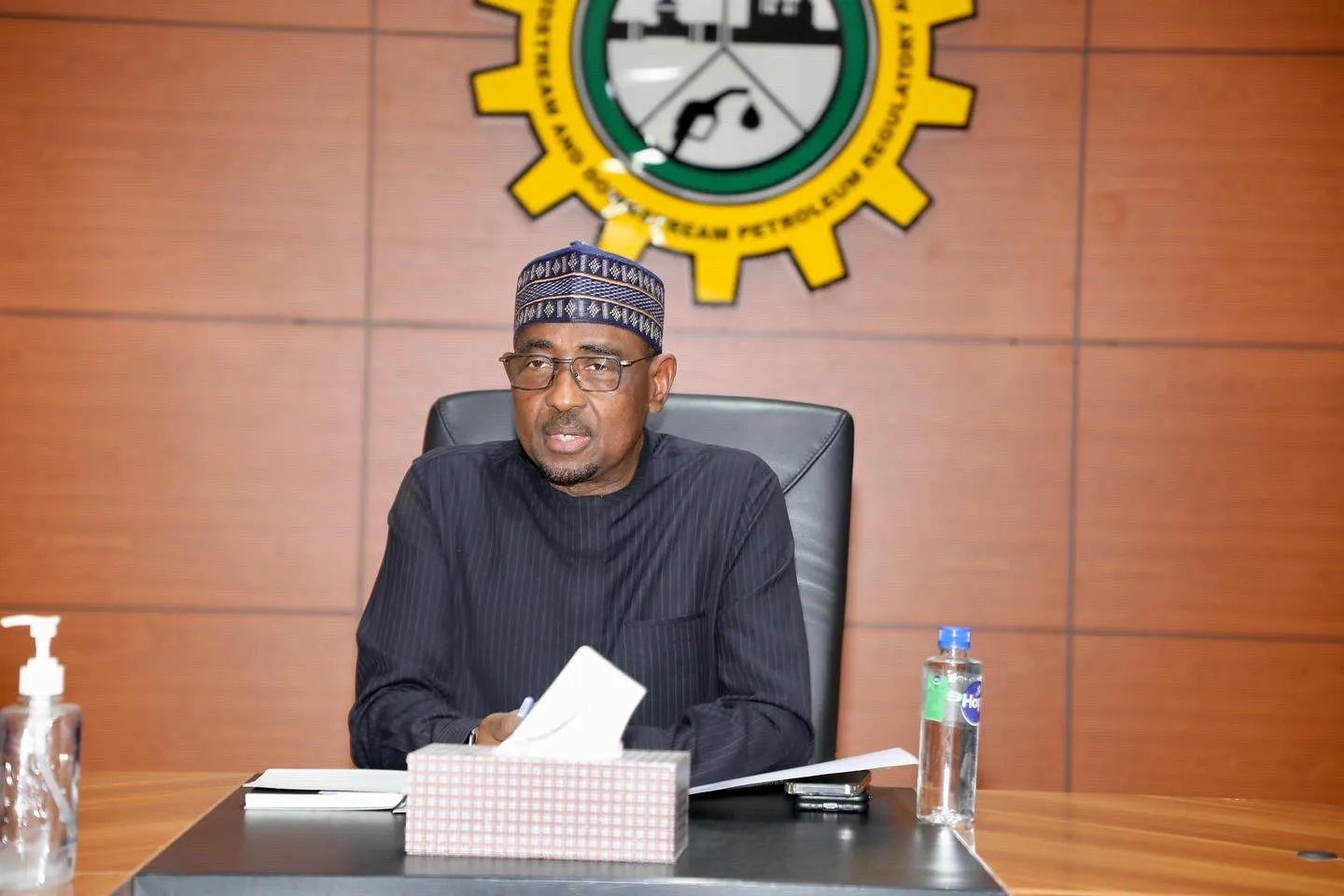
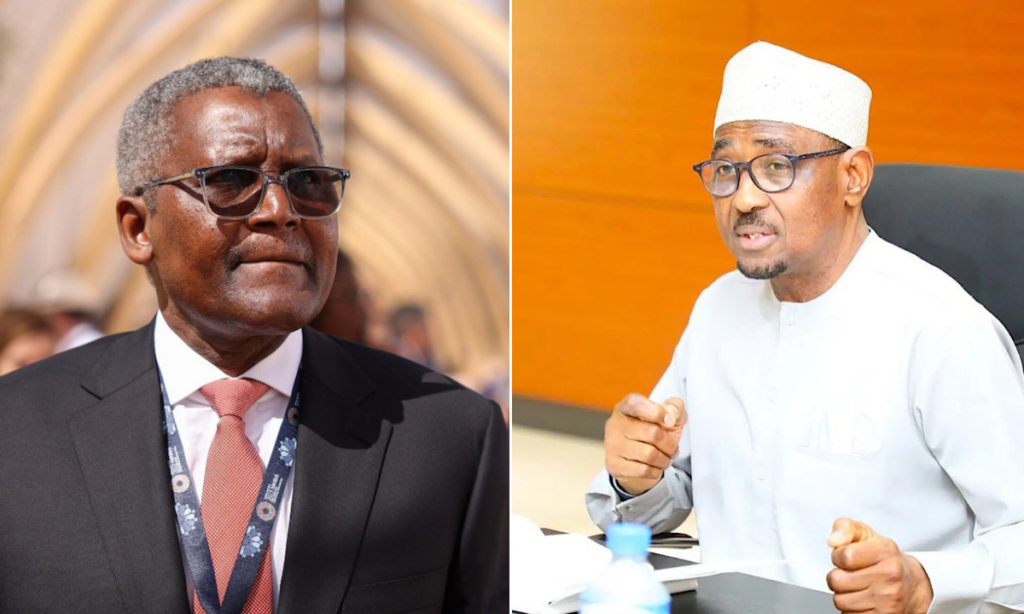
The Chief Executive Officer of the Nigerian Midstream and Downstream Petroleum Regulatory Authority, Ahmed Farouk, has dismissed the corruption allegations made against him by the Chairman of the Dangote Group, Aliko Dangote, describing them as “wild and spurious”.
In a disclaimer personally signed by him, Farouk said he preferred to respond through a formal investigative process rather than engage in what he termed a public “brickbat” with the industrialist.
“My attention has been drawn to a purported response I was said to have made on the recent allegations against my person,” Farouk stated.
“I hereby state categorically that the so-called statement did not emanate from me.
“While I am aware of the wild and spurious allegations made against me and my family and the frenzy it has generated, as a regulator of a sensitive industry, I have opted not to engage in public brickbat.
“Thankfully, the person behind the allegations has taken it to a formal investigative institution. I believe that would provide an opportunity to dispassionately distill the issues and to clear my name.”
The response followed claims by Dangote on Sunday, in which he accused Farouk of economic sabotage that he said was undermining local refining in Nigeria.
The disagreement between both men dates back to July 2024, when the NMDPRA chief alleged that products from local refineries, including the Dangote Refinery, were of lower quality than imported petroleum products. Dangote countered the claim by conducting product tests during an oversight visit by federal lawmakers to the refinery.
Dangote’s Claims
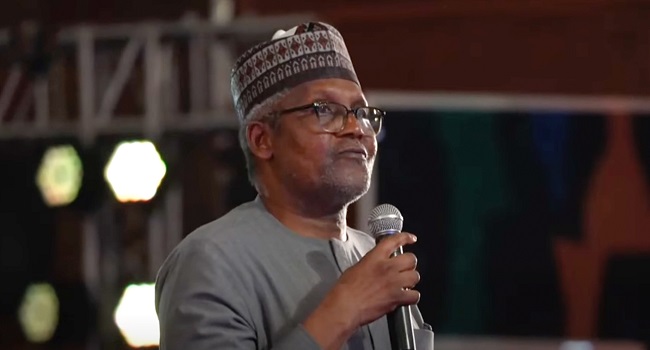
More than a year after that exchange, the billionaire businessman formally petitioned the Independent Corrupt Practices and other Related Offences Commission, alleging corruption and abuse of office by Farouk.
Through his lawyer, Ogwu Onoja (SAN), Dangote claimed the NMDPRA chief was living far beyond his legitimate income, alleging that four of his children were enrolled in secondary schools in Switzerland at costs running into several million dollars.
He argued that such spending raised serious concerns about conflict of interest and the integrity of regulatory oversight within Nigeria’s downstream petroleum sector.
“I’ve had people actually complaining about a regulator who put his children in secondary school, and that secondary school education, which is six years, four of them cost Nigeria five million dollars,” Dangote said at a press briefing at the Dangote Refinery in the Ibekku-Lekki area of Lagos State.
“My children went to secondary school in Nigeria. They did not go outside Nigeria to attend secondary school.”
Dangote later published further details of the allegations in a national daily before submitting a formal petition to the anti-graft agency. He insisted that “Nigerians deserve to know the source(s) of these sums of money paid by a public officer while many parents in his home state of Sokoto cannot afford to pay N10,000 school fees for their children and wards”.
He also accused the regulatory authority of frustrating local refining efforts, particularly through the continued issuance of fuel import licences.
Petition to ICPC
In the petition dated December 16 and addressed to the ICPC Chairman, Musa Aliyu (SAN), Dangote demanded the arrest, investigation and prosecution of Farouk for allegedly spending over $7 million on his children’s education abroad without evidence of lawful income.
The petition alleged that Farouk diverted public funds using the instrumentality of the NMDPRA for personal benefit, arguing that his entire career had been spent in public service and could not legitimately account for such wealth.
“It is without doubt that the above facts in relation to abuse of office, breach of Code of Conduct for public officers, Corrupt enrichment, embezzlement are gross Act of corrupt practices for which your Commission (ICPC) is statutorily empowered under section 19, of the ICPC Act to investigate and prosecute,” the petition read.
Dangote further stated that conviction under the law attracts a five-year jail term without an option of fine, adding that the ICPC must “act decisively to ensure that justice is done and the good image of the administration of President Bola Ahmed Tinubu is protected”.
He pledged to provide documentary evidence to support his allegations.
Reps Intervene
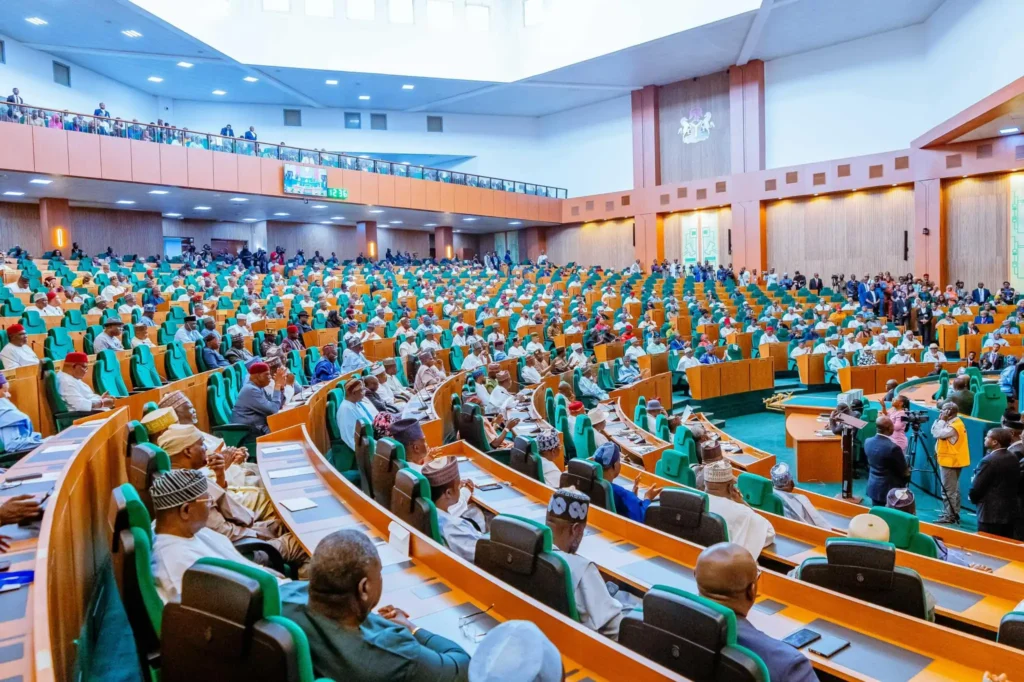
Amid the growing controversy, the House of Representatives has stepped in, summoning both Dangote and Farouk and urging them to halt public exchanges.
The joint committees on petroleum resources said the intervention was aimed at preventing instability in the downstream petroleum sector.
“We can only find sustainable solutions when we identify the critical issues leading to this tension,” said committee leader Ikenga Ugochinyere, explaining the decision to invite both parties for clarification.
ICPC Reacts
Meanwhile, the ICPC has confirmed receipt of Dangote’s petition and said it would investigate the allegations.
“The Independent Corrupt Practices and Other Related Offences Commission (ICPC) writes to confirm that it received a formal petition today, Tuesday, 16th December, 2025, from Alhaji Aliko Dangote through his lawyer,” the commission’s spokesman, John Odey, stated.
“The petition is against the CEO of the NMDPRA, Alhaji Farouk Ahmed. The ICPC wishes to state that the petition will be duly investigated.”
As of the time of filing this report, the NMDPRA and its chief executive have maintained silence beyond Farouk’s disclaimer.
What you should know
The dispute between Aliko Dangote and Ahmed Farouk reflects deeper tensions within Nigeria’s downstream petroleum sector, particularly around regulation, local refining, and transparency.
Dangote’s petition has triggered formal scrutiny by the ICPC, shifting the matter from public accusations to institutional investigation. Farouk’s response signals a strategy of legal defence rather than media confrontation. With the House of Representatives now involved, the outcome may shape future regulatory conduct and investor confidence.
The case also raises broader questions about accountability of public officers, regulatory independence, and how disputes between private capital and government agencies are managed in Nigeria.