Biography and Early Life
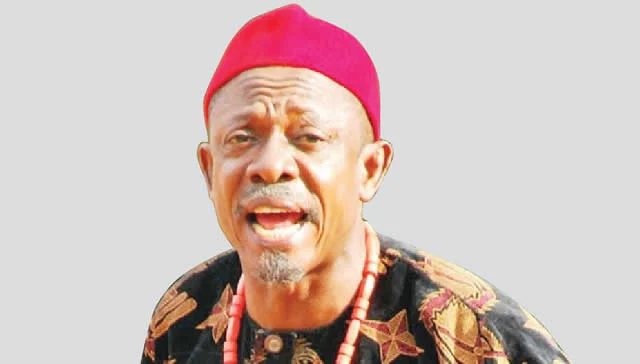
Nkem Owoh, universally known as Osuofia, was born on February 7, 1958, in Amagu Village, Udi Town, Enugu State, Nigeria. Growing up in southeastern Nigeria’s Igbo heartland during the post-civil war period, young Nkem was immersed in the rich traditions, proverbs, and storytelling culture that would later define his comedic style.
Born into a family that valued education despite modest means, Nkem showed early interest in performance and storytelling, traits encouraged by his grandmother, whose traditional tales would later inspire some of his best work. The cultural richness of Igbo village life, with its humor, wisdom, and social dynamics, became the foundation for the characters he would later bring to life on screen.
Educational Background
Primary and Secondary Education: Nkem attended both primary and secondary school in Nsukka, Enugu State, where he participated in school plays and cultural activities, developing his performance skills.
University of Ilorin: After secondary school, Nkem pursued higher education at the University of Ilorin (some sources indicate Federal University of Agriculture, Abeokuta), where he studied Electrical Engineering. This technical education path was typical for ambitious Nigerian students, though Nkem’s true passion lay elsewhere.
Early Performance: Even while studying engineering, Nkem was already involved in television and film productions, participating in university theater and appearing in early Nigerian television programs, demonstrating that his heart belonged to entertainment despite his engineering studies.
Entry into Entertainment (1979)

Nigerian Television Authority (NTA)
In 1979, Nkem began his professional entertainment career at the Nigerian Television Authority (NTA) not as an actor, but as a scriptwriter, a role that would prove foundational to his later success.
Scriptwriting Credits: Nkem wrote scripts for some of Nigeria’s most beloved television programs:
“The New Masquerade”: This legendary sitcom became one of Nigeria’s most popular television shows, and Nkem’s contributions helped shape its humor and cultural resonance.
“Basi and Company”: Created by the late Nobel laureate Ken Saro-Wiwa, this sitcom tackled social issues through comedy, and Nkem’s scripts contributed to its success.
Accidental Acting Debut
Nkem’s transition from behind-the-scenes to on-screen came unexpectedly: An actor failed to show up for a scene in “The New Masquerade,” and Nkem was asked to fill in, playing the role of a drunkard. His natural comedic timing and authentic performance impressed producers, planting seeds for his future acting career.
Broadcasting Career
Beyond scriptwriting, Nkem also worked as a broadcaster at Anambra State Broadcasting Services (ASBS), further honing his voice, timing, and understanding of audience engagement.
Transition to Acting (1990s)
“Living in Bondage” (1992)
Nkem’s involvement with “Living in Bondage”, the film that launched modern Nollywood, came through his linguistic skills: he was contracted to handle the Igbo language subtitling for the groundbreaking film. This behind-the-scenes work connected him to Nollywood’s emerging industry at its birth.
Full-Time Acting (1994)
In 1994, encouraged by friends and colleagues who recognized his natural talent, Nkem transitioned to full-time acting. His breakthrough came with “Circle of Doom”, where he played a customs officer, a performance that announced his arrival and captivated producers who valued both his acting talent and scriptwriting abilities.
“Things Fall Apart” (1987)
Notably, Nkem had actually appeared in the 1987 NTA television adaptation of “Things Fall Apart“ even before his full-time acting career, demonstrating his early involvement in Nigerian screen productions.
“Osuofia in London” (2003): The Phenomenon
The Role That Defined a Legend
In 2003, Nkem landed the role that would change his life and give him his permanent nickname: Osuofia in the comedy film “Osuofia in London”, produced by Kingsley Ogoro.
The Character: Osuofia is a naive, bumbling yet shrewd Nigerian villager who travels to London to claim an inheritance left by his deceased brother. The character embodied the clash between traditional rural Igbo culture and modern Western urban life, creating comedy through cultural misunderstandings while celebrating African wisdom and resilience.
The Performance: Nkem’s portrayal was pure genius:
- Facial expressions that conveyed confusion, shock, and delight
- Physical comedy rooted in authentic village mannerisms
- Igbo proverbs and sayings that added cultural depth
- Slapstick humor combined with social satire
- A relatable everyman quality that made audiences see themselves in Osuofia
Unprecedented Success
“Osuofia in London” became a blockbuster hit that:
- Dominated Nigerian cinemas and home video markets
- Spread across Africa and the diaspora
- Earned international recognition
- Made Nkem an overnight superstar at age 45
- Gave him the permanent nickname “Osuofia”, his character eclipsing his real name
“Osuofia in London 2” (2004)
The sequel was released in 2004, capitalizing on the original’s success. While not matching the first film’s sensation, it solidified the Osuofia franchise and proved the character’s lasting appeal.
Prolific Career: 200+ Films
Over his career spanning three decades, Nkem has appeared in over 200 Nollywood productions, including:
- Ikuku” (1995) – Which he wrote and produced, actually introducing the Osuofia character before
- Osuofia in London
- Ukwa” – Another iconic comedy role
- Spanner” series (2002-2004) – Comedy franchise
- Long John” (2002) – With Sam Loco Efe
- Onye-Eze” (2001) and sequel
- Ghana Must Go” – Cultural comedy
- Fake Doctor” – Medical comedy
- Police Officer” – Law enforcement satire
- King of the Forest” – Fantasy comedy
- Conspiracy” (1999) and the sequel
- Pam Pam” (1997) – Which he produced
- Kiss Me Quick” (1998) – Romantic comedy
- The Master” (2005) – Featuring his controversial song
- Bus Driver” (2005) – As Jimmy
- American Visa” (2004)
- My Driver” (2004)
- Foreign Base” (2006)
Comedy Focus
Nkem has stated that he focused more on comedy roles because his comic films consistently performed better commercially, though he’s proven capable of dramatic performances when necessary.
Music Career: The Controversial Hit
“I Go Chop Your Dollar” (2004)
In 2004, Nkem ventured into music, releasing the satirical song “I Go Chop Your Dollar” featured in the film “The Master”, where he played a fraudster/scammer (419).
The Song: Written in Nigerian Pidgin English, the song humorously depicted advance-fee fraud schemes (“Yahoo Yahoo” or “419” scams), mocking both the scammers and their victims through exaggerated storytelling.

Controversy: The song’s popularity sparked serious backlash:
- The Economic and Financial Crimes Commission (EFCC) banned it
- The Nigerian Broadcasting Commission (NBC) banned airplay
- Critics accused Nkem of promoting fraud
- Defenders argued it was satire exposing societal greed
Musical Style: The song blended Igbo highlife with pidgin humor, creating a catchy yet controversial piece that generated massive attention despite, or because of, its ban.
Other Songs
Nkem released several other songs, including:
- “So Chukwu Bu Eze” (God is King)
- “Pam Pam Style”
- Various tracks on albums, including “Osuofia in London” (2003) and “The Master” (2005)
Gospel Music Transition (2017)
In 2017, Nkem reportedly shifted to gospel music, releasing religious-themed songs, a significant departure from his earlier controversial content and reflecting personal spiritual growth.
The 2007 Amsterdam Arrest
In 2007, Nkem experienced a traumatic international incident:
“Operation Apollo”: Dutch police conducted a seven-month investigation culminating in a raid during Nkem’s musical performance in Amsterdam (Bijlmermeer neighborhood, Amsterdam Zuidoost borough).
Arrest: 111 people were arrested, including Nkem, on suspicion of lottery fraud and immigration violations.
Release: Nkem was eventually released after an investigation revealed he had no involvement in fraud; he was simply performing as an entertainer. The incident, however, highlighted the global impact of Nigeria’s 419 fraud reputation and how even innocent Nigerians abroad could face suspicion.
Personal Life
Marriage and Family
Nkem married Ngozi Nkem Owoh in 1998. Ngozi hails from Amagu Village, Udi Town, Enugu State, coincidentally the same hometown as Nkem, suggesting they may have known each other from childhood or through family connections.
Children
The couple has two daughters:
- Kosisochukwu Nkem Owoh tragically passed away in June 2023, a devastating loss for the family
- Second daughter – Identity kept private per Nkem’s preference
Nkem is notably protective of his children’s privacy, rarely discussing them publicly or allowing media exposure. His appearance with one daughter at an MTN re-endorsement deal surprised fans who hadn’t seen his family publicly.
2025 Scandal Allegations
On February 7, 2025 (Nkem’s 67th birthday), media personality Radiogad made controversial allegations against Nkem, claiming he had:
- Abandoned his wife and children
- Engaged in affairs with younger aspiring actresses
- Led an immoral lifestyle
These unverified accusations sparked online debates, with many viewing them as attention-seeking tactics by Radiogad, who has a history of making sensational claims about celebrities. Nkem has not publicly responded to these allegations.
Awards and Recognition
Africa Movie Academy Award (AMAA) – Best Actor in a Leading Role (2008): For his performance in “Stronger than Pain”, proving he could excel in dramatic roles beyond comedy.
AMAA Lifetime Achievement Award (2017): Presented at the 13th Africa Movie Academy Awards at Eko Hotel, Lagos, recognizing his extraordinary contributions to Nollywood’s development over three decades.
Nominations: Multiple nominations, including Best Comic Actor at various African film awards.
Net Worth and Financial Success
As of 2025, Nkem Owoh’s estimated net worth is approximately $4 million, accumulated through:
- Over 200 film appearances
- Film production (produced several of his own movies)
- Music sales and performances
- Brand endorsements (including MTN)
- Public appearances and events
This wealth reflects decades of consistent work and commercial success, making him one of Nollywood’s most financially successful comedy actors.
Legacy and Cultural Impact
Comedy Pioneer
Nkem revolutionized Nigerian comedy through:
Rural Character Authenticity: The Osuofia character brought authentic village life to the screen without condescension
Proverb Integration: Masterful use of Igbo proverbs and sayings that educated while entertaining
Physical Comedy: Slapstick and physical humor rooted in African contexts rather than Western models
Cultural Bridge: Created comedy accessible to both rural and urban audiences, educated and uneducated
Cultural Satire
Nkem’s work, particularly “Osuofia in London,” provided sophisticated cultural satire:
- Highlighted the clash between traditional and modern values
- Mocked both African backwardness and Western pretensions
- Celebrated African wisdom despite technological disadvantage
- Critiqued societal obsession with Western validation
Influence on Nollywood
Template Creator: Established template for character-driven Igbo comedy that countless actors have followed
Vernacular Storytelling: Popularized vernacular-driven storytelling, proving Igbo language films could achieve mainstream commercial success
Rural Idiom Integration: Embedded rural idioms into mainstream plots, making village life central rather than marginal to Nigerian cinema
Nickname Permanence
The fact that “Osuofia” completely eclipsed “Nkem Owoh” in public consciousness demonstrates the character’s cultural penetration, similar to how “Mr. Ibu” overtook John Okafor’s identity.
Current Status (2025)
At 67 years old (turning 67 on February 7, 2025), Nkem Owoh remains:
- Active in Nollywood, though more selective about roles
- Revered veteran and comedy legend
- Cultural icon representing Igbo humor and wisdom
- Mentor to younger comedians
- Public figure whose opinions on social issues (including Igbo marginalization) are sought
Reflections and Assessment
Nkem Owoh’s journey from NTA scriptwriter to Nollywood comedy legend embodies several truths about Nigerian entertainment:
Late Bloomer: His breakthrough at age 45 proves success can come at any age with talent and persistence
Multi-Talented: His skills as a writer, actor, producer, and musician demonstrate versatility
Cultural Authenticity: His commitment to authentic Igbo representation elevated Nigerian cinema’s cultural credibility
Commercial Savvy: His understanding of what audiences want helped him sustain relevance across three decades
Controversial Courage: His willingness to tackle sensitive topics (fraud in “I Go Chop Your Dollar”) showed artistic boldness despite consequences
Nkem Owoh, Osuofia, transformed Nigerian comedy forever. From engineering student to scriptwriter to accidental actor to comedy legend, his journey inspires. His Osuofia character, naive yet wise, bumbling yet shrewd, rural yet universal, captured something essential about the Nigerian experience: navigating modernity while honoring tradition, facing the world with humor despite challenges, and proving that wisdom doesn’t require a Western education. At 67, having survived personal tragedy (his daughter’s death), international arrest, and industry evolution, Nkem remains standing, a testament to resilience, talent, and the enduring power of authentic storytelling. Thank you, Osuofia, for the laughter, the wisdom, and for showing us ourselves with compassion and humor.