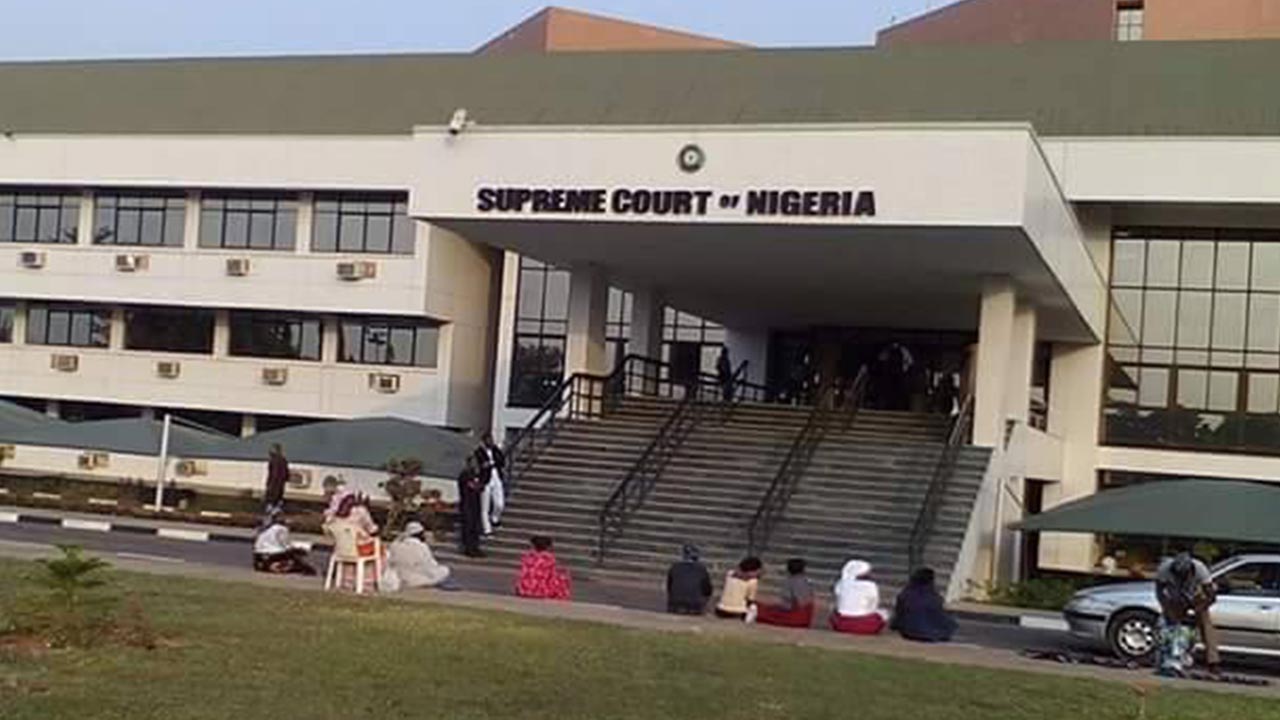
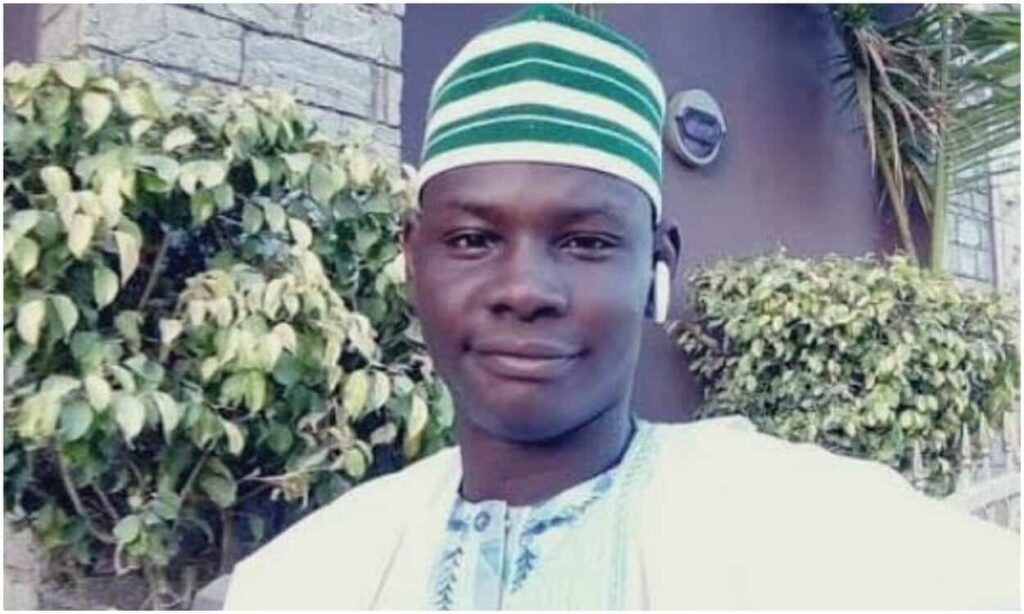
Nigeria’s Supreme Court opened proceedings Thursday in the closely watched case of Yahaya Sharif-Aminu, a Sufi Muslim musician sentenced to death by a sharia court in 2020 for alleged blasphemy.
Sharif-Aminu was convicted in Kano state for sharing song lyrics deemed offensive to the Prophet Mohammed. His death sentence was later overturned by a state high court, which nonetheless ordered a retrial. His defence team is now appealing to stop that process while seeking a broader ruling that challenges the legality of extreme sharia punishments under Nigeria’s constitution.
“All various aspects of the sharia penal code that offend the constitution and Nigeria’s international obligations, we cannot have on our statute books,” lawyer Kola Alapinni told reporters after the hearing. The court granted his team more time to file their appeal.
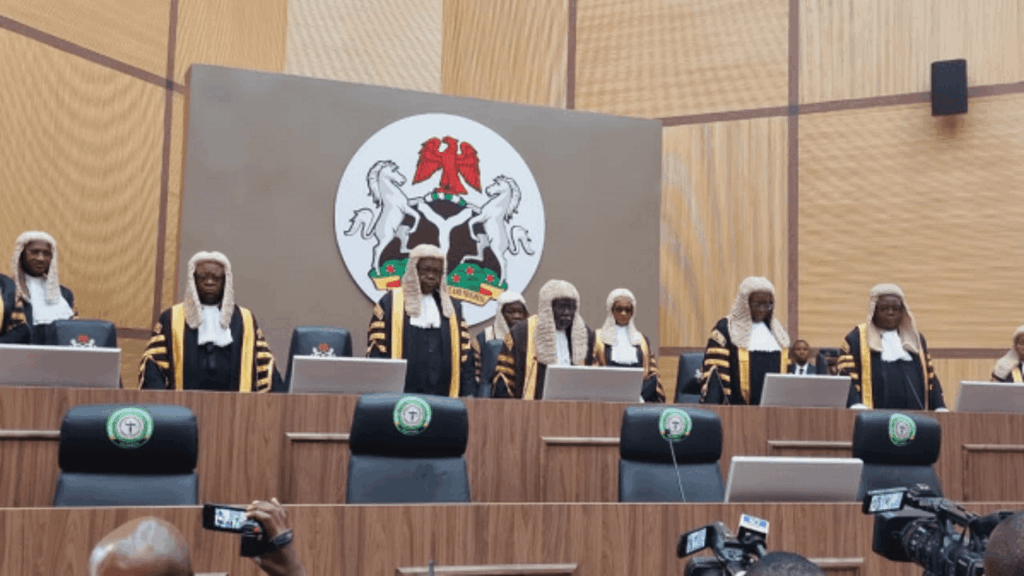
Sharia vs. Secular Law
Nigeria officially operates a secular legal system, but 12 northern states enforce sharia law alongside common law. Harsh sentences such as death by stoning for adultery or blasphemy have been handed down over the years but are rarely enforced, with higher courts often overturning them. Still, vigilante violence remains a threat in the region, where mobs have killed people accused of blasphemy.
International pressure on the case has grown. The ECOWAS Community Court of Justice ruled in April that Kano’s death penalty for blasphemy was “excessive and disproportionate,” a decision Nigeria has yet to enforce. The United Nations, European Union, and U.S. officials have also voiced concern over Sharif-Aminu’s fate.
The Case at Hand
Sharif-Aminu’s alleged offence was sharing lyrics in a WhatsApp group that suggested a Muslim leader he admired was more pious than the Prophet Mohammed, according to his lawyer.
Kano state’s legal team remains adamant. “Anybody who has uttered any word that touches the integrity of the holy prophet, we’ll punish him,” said Lamido Abba Sorondinki, counsel for the state government. Standing beside him, Alapinni quipped, “My learned friend is not the Supreme Court, that’s just the opposition.”
Sharif-Aminu remains in detention as the appeal continues, with his case now a test of how Nigeria balances religious law with constitutional freedoms.
What you should know
Yahaya Sharif-Aminu’s case is now a flashpoint in Nigeria’s long-running debate over sharia law. While death sentences for blasphemy have never been carried out, the Supreme Court’s eventual ruling could either entrench or weaken sharia’s authority in the country.
With global human rights groups watching, the verdict will signal how Nigeria reconciles its secular constitution with religious justice.