The head of Nigeria’s state oil company acknowledged Thursday that reviving the country’s moribund refineries has proven more challenging than anticipated, despite substantial financial commitments, as the facilities bear the scars of prolonged institutional neglect.
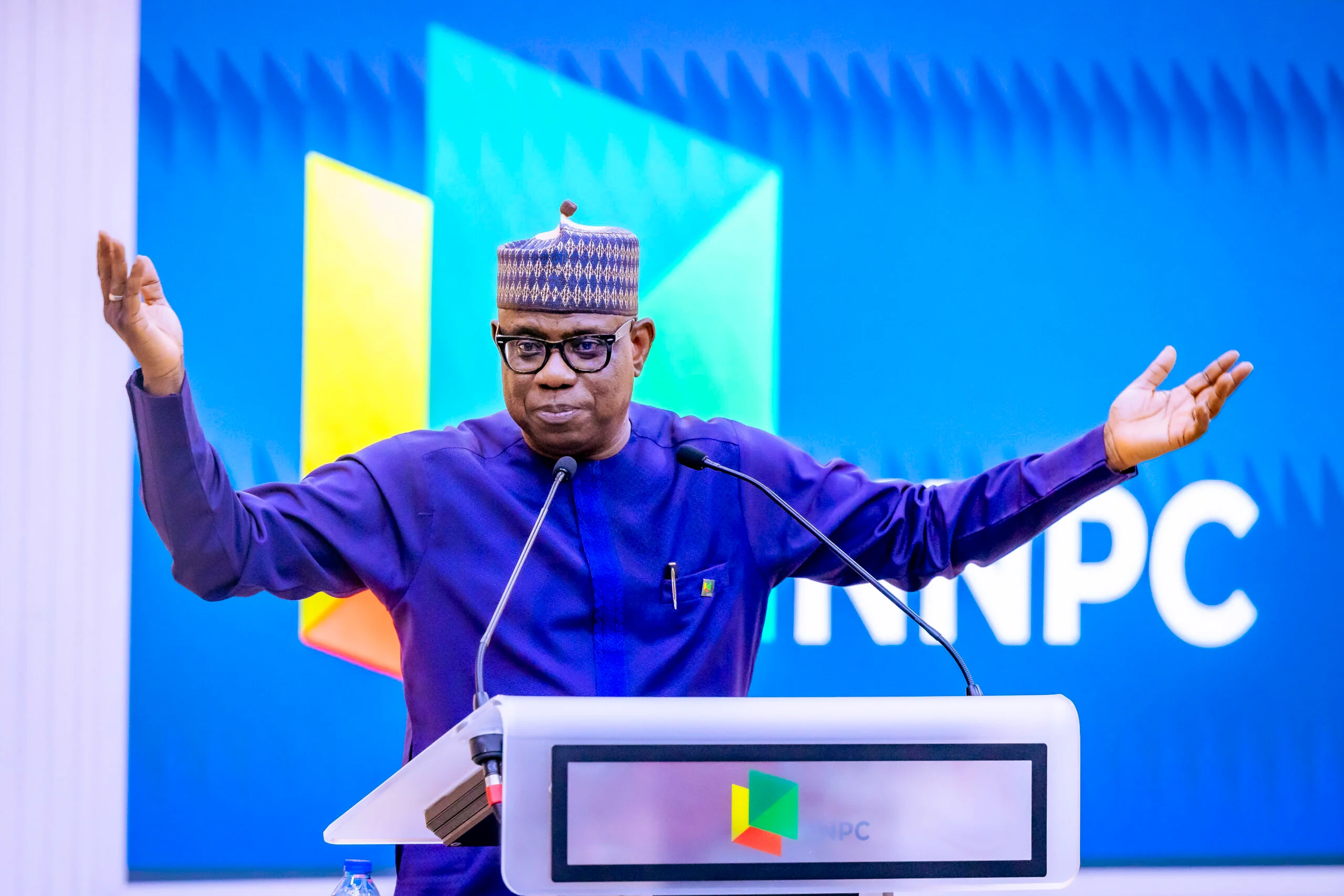
Bayo Ojulari, Group Chief Executive Officer of the Nigerian National Petroleum Company Limited (NNPC), delivered the frank assessment during a meeting with leadership from the Petroleum and Natural Gas Senior Staff Association of Nigeria (PENGASSAN) at the company’s Abuja headquarters.
“A lot of money has been spent on these refineries. However, it’s been very challenging to translate that money into profitability,” Ojulari told the delegation, drawing an analogy to automotive maintenance. “When you have an old car, and you park the car for some time without any greasing or oiling… It’s been difficult; when you fix one thing, the other thing is still there.”
The admission comes as Nigeria continues to grapple with the paradox of being Africa’s largest oil producer while remaining heavily dependent on imported petroleum products. The country’s three major refineries, located in Warri, Port Harcourt, and Kaduna, have operated well below capacity for years, forcing the government to subsidize fuel imports at a substantial cost to public finances.
Ojulari, who assumed leadership approximately five months ago, outlined a strategic pivot away from direct government operation of the facilities. The company has completed commercial reviews of the refineries and concluded that partnerships with experienced private operators represent the most viable path forward.
“We have concluded that the best way forward is for us to get a true professional refining company to join us and cooperate,” he said, specifically referencing the Port Harcourt facility.
The CEO’s comments signal a potential shift toward the Incorporated Joint Venture model, which could reduce state control while bringing in technical expertise and operational efficiency. This approach mirrors broader trends across Africa’s oil sector, where governments have increasingly sought private partnerships to modernize aging infrastructure.
However, Ojulari indicated that the transformation efforts have encountered resistance from unspecified quarters. “We are under attack,” he stated, referencing critics of the company’s reform agenda. “We will not budge to short-term pressure, as it will not be in the best interest of Nigerians.”
The executive emphasized that sustainable change requires patience from the Nigerian public, acknowledging that “you cannot drive change without a price, and the transformation is tough.”
Meanwhile, the company is leveraging its stake in the recently commissioned Dangote Petroleum Refinery to help meet domestic fuel demand during the transition period. The $19 billion facility, Africa’s largest refinery, began operations earlier this year and represents a significant addition to the continent’s refining capacity.
PENGASSAN President Festus Osifo praised some early achievements under Ojulari’s tenure, particularly improvements in pipeline security and crude oil production. “Since you came on board, our pipelines have actually been working from the Forcados Pipeline to the TNP, and all our pipelines today, they’ve actually been working,” Osifo noted.
The union leader also endorsed the concept of bringing in experienced private refiners as equity partners while reducing government stakes, arguing this could minimize political interference and ensure sustainable operations.
The challenges facing Nigeria’s refineries reflect broader issues with state-owned enterprises across the oil-rich nation, where decades of underinvestment, corruption, and political interference have hindered the development of critical infrastructure.
Previous attempts at refinery rehabilitation have consumed billions of dollars with limited success, making Ojulari’s pursuit of private partnerships a potentially watershed moment for the sector.
The success or failure of this latest reform effort could have implications for Nigeria’s energy security and fiscal health, as fuel subsidies have long represented one of the government’s largest expenditures.
With crude oil production showing signs of recovery thanks to improved pipeline security, the refining bottleneck remains the final piece of Nigeria’s energy puzzle.
WHAT YOU SHOULD KNOW
Nigeria’s state oil company chief admits that decades of neglect have made the country’s refineries nearly impossible to fix despite massive spending. The solution now being pursued involves bringing in experienced private companies as partners to actually operate the facilities, while the government reduces its direct control.
This represents a major shift away from state-run operations that have consistently failed to deliver results, potentially ending Nigeria’s costly dependence on fuel imports if successful.