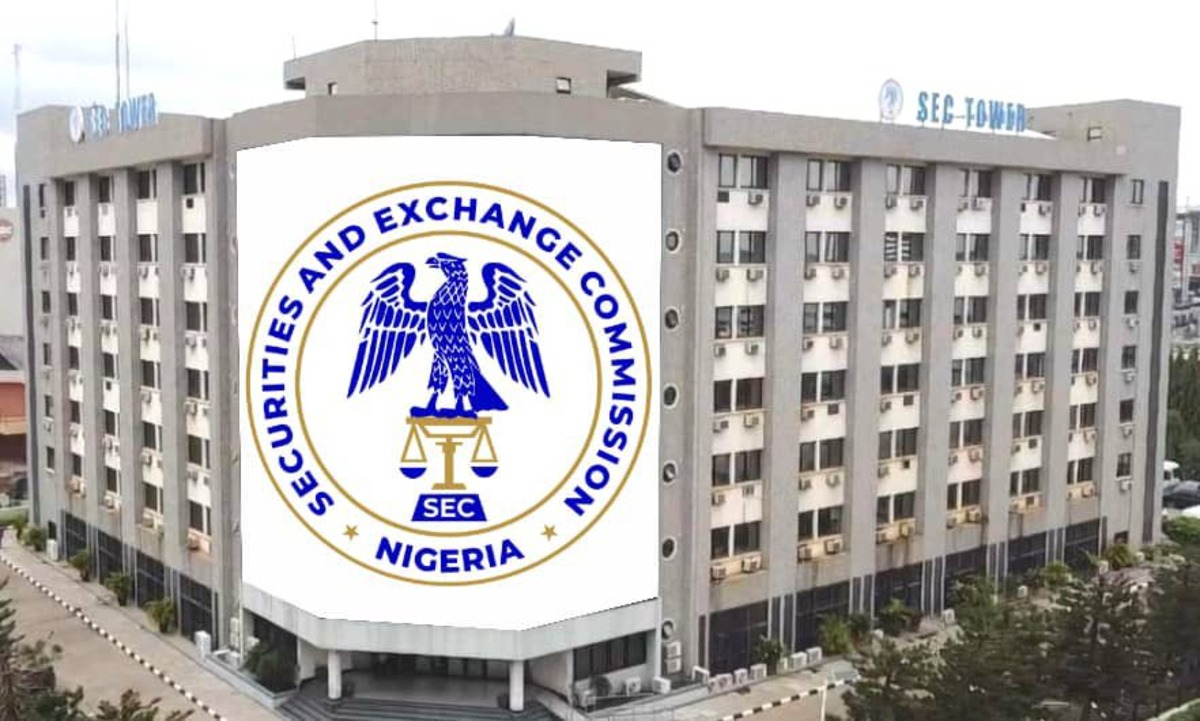
Nigeria’s non-interest capital market has reached a value of N1.6 trillion, according to the Securities and Exchange Commission (SEC), signaling a significant shift in investor appetite toward ethical finance products and marking a milestone for the country’s alternative financial ecosystem.
The announcement, made by SEC Director-General Dr. Emomotimi Agama during a press briefing in the nation’s capital, comes as Nigeria positions itself at the forefront of Africa’s Islamic finance revolution. The disclosure was timed ahead of the 7th African International Conference on Islamic Finance (AICIF), set to convene in Lagos next month.
Sukuk Oversubscription Reflects Investor Confidence
Perhaps most striking among the figures revealed is the performance of Sukuk — Islamic bonds compliant with Sharia principles. The most recent issuance was oversubscribed by more than 700 percent, a remarkable vote of confidence in ethical financial instruments.
“The overwhelming subscription to our Sukuk issuances demonstrates strong investor trust and rising demand,” Dr. Agama stated, highlighting what appears to be a fundamental shift in how Nigerian investors view ethical finance products. The extraordinary oversubscription rate suggests that demand far outstrips current supply in this market segment.
Legal Framework Strengthened Under New Act
The growth trajectory of Nigeria’s non-interest capital market has been bolstered by legislative developments. The newly enacted Investments and Securities Act (ISA) 2025 has fortified the legal architecture supporting non-interest financial products, granting the SEC expanded authority to register collective investment schemes and broaden the range of available instruments.
This regulatory enhancement addresses what had previously been identified as a constraint on market development—the need for a comprehensive legal framework that adequately accommodates Sharia-compliant financial products while maintaining robust investor protection standards.
Strategic Timing with Masterplan Conclusion
Dr. Agama characterized the upcoming conference as strategically timed, coinciding with the conclusion of the Revised Nigerian Capital Market Masterplan (2021–2025). The convergence of these events, he suggested, creates an opportune moment to chart the next phase of sustainable financial development across the African continent.
“This year’s theme is a call to action — harnessing ethical finance to build a more prosperous and equitable Africa,” the SEC chief emphasized, framing ethical finance not merely as an alternative investment category but as a transformative tool for economic inclusion and development.
Conference to Address Critical Sectors
The AICIF 2025, jointly organized by the SEC, Metropolitan Law Firm, and Metropolitan Skills Ltd, will operate under the theme “Africa Emerging: A Prosperous and Inclusive Outlook.” According to Dr. Agama, the gathering will feature high-level policy discussions spanning infrastructure development, green and ethical investments, agricultural financing, and the increasingly pivotal role of financial technology in transforming Islamic finance delivery.
Ummahani Amin, managing partner at Metropolitan Law Firm and AICIF Chairperson, described the conference as having evolved into one of Africa’s premier platforms for advancing innovation, integrity, and sustainable growth within the Islamic finance sector.
Broader Implications for African Finance
The N1.6 trillion valuation of Nigeria’s non-interest capital market represents more than a statistical achievement. It reflects a maturing financial ecosystem that offers investors alternatives aligned with religious and ethical principles while contributing to broader financial inclusion objectives.
As Africa’s most populous nation and largest economy by GDP, Nigeria’s success in developing its ethical finance infrastructure could serve as a template for other African nations seeking to tap into the growing global Islamic finance market, currently estimated at over $3 trillion worldwide.
The Lagos conference next month is expected to attract policymakers, financial institutions, investors, and scholars from across Africa and beyond, all seeking to understand how ethical finance can be leveraged to address the continent’s pressing development challenges while creating sustainable investment opportunities.
WHAT YOU SHOULD KNOW
Nigeria’s non-interest capital market has hit N1.6 trillion, with the latest Sukuk issuance oversubscribed by over 700% — clear evidence that ethical finance is no longer a niche alternative but a mainstream investment choice gaining serious traction.
Backed by the new Investments and Securities Act 2025, this growth signals that Sharia-compliant financial products are becoming a major force in Nigeria’s capital markets, offering investors ethical options while driving financial inclusion. The upcoming African Islamic finance conference in Lagos will explore how to harness this momentum for continent-wide economic development.