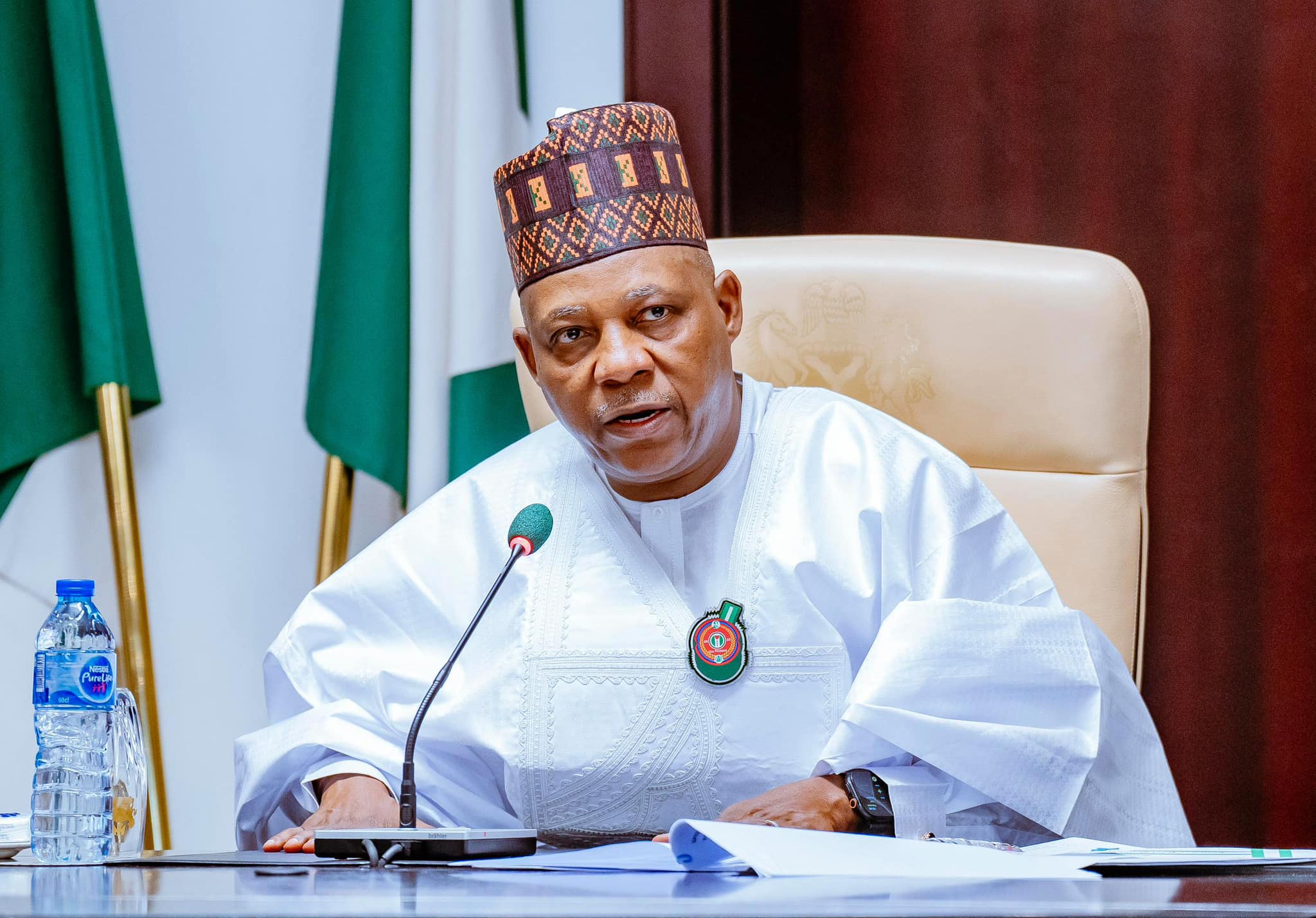
In a significant development for Nigeria’s trade landscape, Finance and Coordinating Minister of the Economy Wale Edun has outlined ambitious plans for the National Single Window (NSW) project, describing it as a cornerstone initiative that will fundamentally transform how the country conducts international trade while bolstering economic stability.
Speaking to journalists following the 63rd quarterly meeting of the Nigeria Customs Service Board at the Customs House in Maitama, Abuja, Edun revealed that the comprehensive digital platform is scheduled for full implementation in the first quarter of 2026, marking a pivotal shift from Nigeria’s current fragmented trade processes.
A Digital Revolution in Trade Processing
The National Single Window represents Nigeria’s most ambitious attempt to modernize its trade infrastructure since independence. Originally launched in April 2024, the project aims to consolidate all trade-related government agencies onto a unified electronic platform, effectively eliminating the bureaucratic maze that has long plagued Nigerian commerce.
Under the new system, importers and exporters will no longer need to navigate between multiple government agencies to complete trade transactions. Instead, they will submit all required documentation through a single digital portal, which will then electronically distribute information to relevant regulatory bodies, including the Nigeria Customs Service, Federal Inland Revenue Service, and other key stakeholders.
Streamlining Complex Documentation Requirements
The platform will integrate essential trade documents, including Form M applications, bills of lading and airway bills, packing lists, SONCAP certificates for Standards Organisation of Nigeria products, and NAFDAC documentation for regulated pharmaceuticals and consumer goods. This consolidation represents a dramatic departure from the current system, where traders must physically visit multiple agencies to obtain clearances.
Unprecedented Inter-Agency Collaboration
The NSW project has brought together Nigeria’s most influential trade-related agencies in an unprecedented collaborative effort. The Nigeria Customs Service and Federal Inland Revenue Service are spearheading implementation, while the Central Bank of Nigeria, Nigerian Ports Authority, Nigerian Civil Aviation Authority, National Agency for Food and Drug Administration and Control, Standards Organisation of Nigeria, and Nigerian Export Promotion Council serve as key participating stakeholders.
This level of interagency coordination represents a significant shift in how Nigeria’s government approaches trade facilitation, moving from siloed operations to integrated service delivery.
Economic Impact Projections
Minister Edun’s emphasis on the project’s role in economic stabilization reflects broader government concerns about Nigeria’s trade competitiveness in the global marketplace. The initiative is projected to deliver multiple economic benefits, including substantial reductions in cargo clearance times and associated costs, which have historically made Nigerian ports less attractive compared to regional competitors.
The digitization of trade processes is expected to enhance transparency significantly, potentially reducing corruption and improving compliance rates. Government officials project that the system will increase tax revenue collection while preventing revenue leakage that has traditionally occurred through fragmented oversight mechanisms.
Employment and Competitiveness Goals
Beyond immediate operational improvements, the NSW project is designed to stimulate job creation across Nigeria’s trade sector. By reducing transaction costs and processing times, the platform aims to make Nigerian businesses more competitive internationally, potentially attracting increased foreign investment and expanding export opportunities.
The transition from paper-based to electronic processing represents a fundamental modernization of Nigeria’s trade infrastructure, aligning the country with international best practices and positioning it more favorably in global supply chains.
Implementation Challenges and Timeline
While the April 2024 launch established the project’s framework, full implementation by the first quarter of 2026 will require extensive coordination among participating agencies and comprehensive staff training programs. The success of the initiative will largely depend on effective change management and the ability of various government agencies to adapt their processes to the new digital environment.
The project’s ambitious timeline reflects the government’s recognition that trade facilitation improvements cannot be delayed, given Nigeria’s need to enhance its economic competitiveness amid global economic uncertainties.
Regional and International Implications
Nigeria’s NSW implementation positions the country to better compete with other West African nations that have already implemented similar systems. The project aligns with international trade facilitation standards and could improve Nigeria’s standing in global trade rankings, potentially attracting increased international business and investment.
As Africa’s largest economy, Nigeria’s success with the National Single Window project could serve as a model for other African nations seeking to modernize their trade infrastructure, reinforcing the country’s leadership role in regional economic development.
The coming months will be critical as participating agencies work to ensure seamless integration and user readiness ahead of the 2026 launch date that Minister Edun has identified as crucial for Nigeria’s economic transformation agenda.
WHAT YOU SHOULD KNOW
Nigeria is launching a game-changing National Single Window digital platform by early 2026 that will consolidate all trade-related government agencies into one electronic portal. This means importers and exporters will no longer need to visit multiple agencies separately—everything can be done through a single online submission.