In 2022, Nigeria passed the Electoral Act—a landmark law hailed as a democratic game-changer. But as the country approaches the 2027 general elections, how well do Nigerians understand the transformative provisions embedded within this crucial legislation?
From revolutionary technology integration to comprehensive over-voting reforms, this comprehensive analysis breaks down the most significant—and often overlooked—sections of the Electoral Act 2022, alongside upcoming proposed amendments that could further reshape Nigeria’s electoral landscape.
The Democratic Revolution: Understanding Nigeria’s New Electoral Framework
The Electoral Act 2022 represents Nigeria’s most ambitious attempt at electoral reform in decades. Unlike previous iterations, this law doesn’t just tweak existing processes—it fundamentally reimagines how Nigerians participate in democracy. Here are the ten most powerful provisions that every Nigerian should understand:
- Continuous Voter Registration: Democracy Never Sleeps
The Old Way: Frantic rushes during brief registration windows, leaving millions disenfranchised.
The New Reality: Section 10 introduces continuous voter registration, allowing eligible Nigerians to register throughout the year, with only a 90-day blackout period before elections.
This seemingly simple change addresses one of Nigeria’s biggest democratic challenges—ensuring every eligible citizen can participate. No more stories of citizens missing elections because they couldn’t register during the limited windows.
- Voter Card Transfers: Democracy Follows You
Nigeria’s mobile population finally has electoral mobility. Section 13 allows voters who relocate to transfer their Permanent Voter Cards (PVCs) to new constituencies. The process involves issuing a new PVC while canceling the previous one, preventing double registration while ensuring continuity of voting rights.
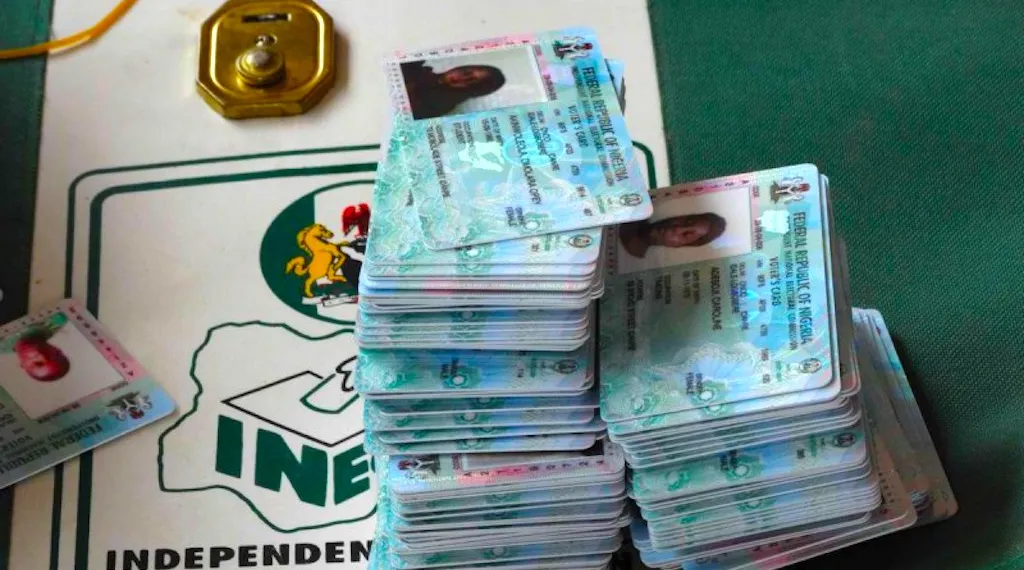
For a country where millions migrate for economic opportunities, this provision could dramatically increase voter participation in urban centers and emerging economic hubs.
- Disability-Inclusive Elections: Leaving No One Behind
Sections 9 and 54 mandate comprehensive disability inclusion in electoral processes. The Independent National Electoral Commission (INEC) must now provide:
Disaggregated disability data
Braille materials for visually impaired voters
Sign language interpreters
Personal aid assistance
Accessible polling units
This represents a fundamental shift from viewing accessibility as optional charity to recognizing it as a democratic right.
- Technology Gets Legal Teeth
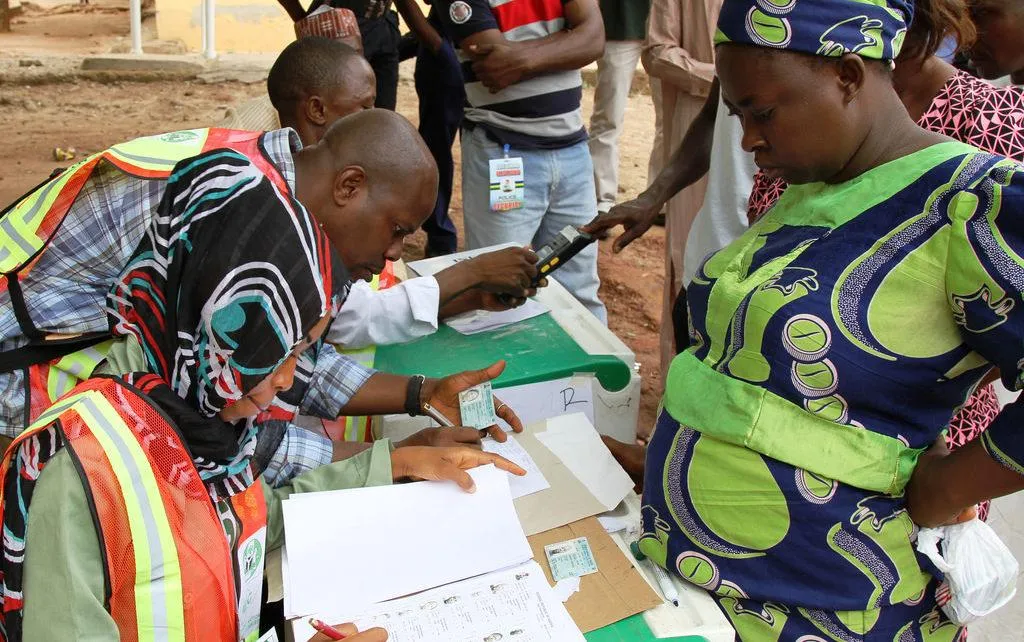
Perhaps the most revolutionary change lies in Sections 47 and 60, which legally mandate the use of the Bimodal Voter Accreditation System (BVAS) and electronic result transmission. The law is crystal clear:
-No functioning BVAS = No voting
-No electronic result upload = No valid result

This technological integration isn’t just about modernization—it’s about creating an auditable, transparent electoral process that’s harder to manipulate.
- Over-Voting Redefined: Closing the Manipulation Loophole
The redefinition of over-voting in Section 51(2) represents a masterclass in anti-fraud legislation. Over-voting now means more votes than accredited voters, not just registered voters. This subtle change eliminates a massive manipulation opportunity where fraudsters could stuff ballot boxes up to the number of registered voters, regardless of actual turnout.
- INEC’s New Power: Instant Justice
Section 65 grants INEC unprecedented authority to review and cancel suspicious results before the official declaration. This proactive approach means electoral fraud can face instant reversal rather than lengthy court battles that often come too late to matter.
This provision transforms INEC from a passive administrator to an active guardian of electoral integrity.
- Campaign Finance: Making Limits Real
Section 88 doesn’t just set spending limits—it enforces them with serious consequences:
-₦5 billion for presidential candidates
-₦1 billion for governors
-₦100 million for senatorial races
Violators face imprisonment or heavy fines, creating real deterrence against the money politics that have long plagued Nigerian elections.
- Resign-to-Contest: End of Double-Dipping
Section 84(12) enforces the “Resign-to-Contest” rule with legal precision. Political appointees must resign before contesting elections—no more staying in office while campaigning for new positions. This provision addresses the unfair advantage incumbents gained by using state resources for campaigns.
- Candidate Withdrawal: Regulated Exits
Section 31 brings order to the previously chaotic process of candidate withdrawals. Withdrawals must be in writing, replacements must occur within 14 days, and due process must be followed. This prevents last-minute manipulations that have historically disrupted electoral processes.
- Post-Election Accountability: Justice Delayed Isn’t Justice Denied
The Act ensures that proven fraud, forged documents, or electoral violence can void elections even after winners are sworn in. This provision maintains accountability throughout the electoral cycle and beyond, ensuring that electoral crimes have consequences regardless of timing.
The 2027 Amendments: What’s Coming Next?
As Nigeria prepares for the 2027 elections, several proposed amendments could further revolutionize the electoral process:
Same-Day Elections
Conducting all elections simultaneously could reduce costs, minimize security challenges, and increase voter turnout by consolidating civic participation into a single, nationally significant day.
Diaspora Voting
Allowing Nigeria’s extensive diaspora population to vote could bring new perspectives and reduce the brain drain’s political impact by keeping emigrants politically engaged.
Digital PVCs
Digital voter cards could eliminate the perennial problem of PVC distribution while reducing costs and improving accessibility.
Reserved Seats
Constitutional provisions for women and persons with disabilities could accelerate inclusive representation beyond what organic processes have achieved.
Dedicated Electoral Offences Commission
A specialized body for prosecuting electoral crimes could ensure that the strong provisions in the Electoral Act translate to meaningful consequences.
The Democratic Stakes: Why This Matters
The Electoral Act 2022 isn’t merely legal text—it’s the infrastructure of Nigeria’s democratic future. Each provision represents lessons learned from decades of electoral challenges, from the manipulation-prone systems of the past to the technology-enabled transparency of tomorrow.
For Nigerian voters, understanding these provisions isn’t academic—it’s practical power. Knowing your rights under the new law, understanding the technological safeguards protecting your vote, and recognizing the legal remedies available when things go wrong transforms citizens from passive participants to active guardians of democracy.
Beyond 2027: The Long View
As Nigeria approaches its next electoral cycle, the Electoral Act 2022 stands as both an achievement and a foundation. The law’s success won’t be measured merely in smoother election days but in the gradual restoration of citizen confidence in democratic processes.
The proposed amendments suggest Nigeria’s electoral evolution continues. Each reform addresses specific challenges while creating new possibilities for democratic participation and accountability.
Law as Democratic Foundation
The Electoral Act 2022 proves that democracy’s strength lies not just in grand ideals but in detailed procedures that protect those ideals. From continuous voter registration to instant result cancellation, each provision represents a choice to prioritize electoral integrity over political convenience.
As 2027 approaches, Nigerians armed with knowledge of their electoral rights and protections become the ultimate guardians of democratic progress. Understanding the law becomes as crucial as casting the vote—because when the law changes, so do the elections.
The Electoral Act 2022 offers Nigeria a chance to demonstrate that democracy can work, that reforms can succeed, and that citizen participation can overcome systemic challenges. The law provides the framework; Nigerian voters will determine whether that framework becomes a democratic revolution or merely political reform.
Democracy is indeed more than ballots—it’s about the rules, the rights, and the resolve to make both work for every Nigerian.
WHAT YOU SHOULD KNOW
About the Electoral Act 2022
The Electoral Act 2022 was signed into law by former President Muhammadu Buhari after extensive legislative debate and civil society advocacy. The Act replaced the Electoral Act 2010 and introduced sweeping reforms aimed at improving the credibility, inclusivity, and transparency of Nigerian elections. As Nigeria prepares for the 2027 general elections, understanding these provisions becomes crucial for all stakeholders in the democratic process.
Want to read the full act yourself? Download here: