At least one Nigerian has been identified among more than 100 people injured after Iranian ballistic missiles were intercepted in the United Arab Emirates amid rising tensions in the Middle East.
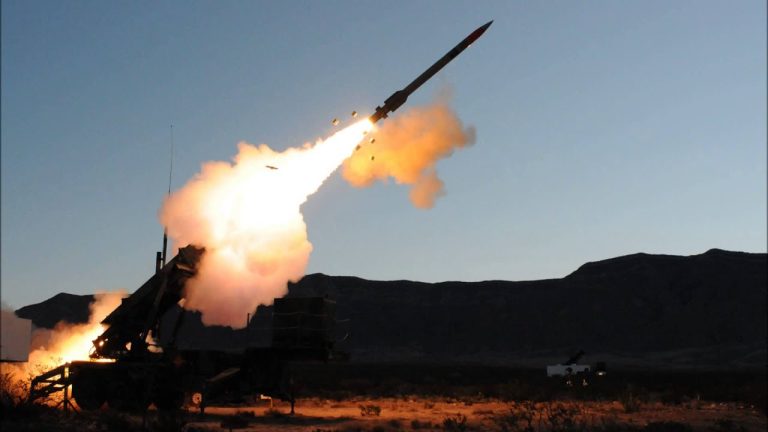
Authorities in the Gulf country said their air defence systems have been responding to retaliatory missile attacks launched by Iran since the conflict started on February 28.
In a statement released on Tuesday, the United Arab Emirates Ministry of Defence said its air defence units detected a total of 262 ballistic missiles fired from Iran since the beginning of the conflict.
According to the ministry, most of the missiles were successfully intercepted by the country’s defence systems.
Officials explained that 241 missiles were intercepted before reaching their targets, while 19 others landed harmlessly in the sea.
However, two missiles reportedly landed within the UAE, leading to deaths and injuries.
Authorities said the attacks caused the deaths of six people and left more than 120 others injured.
“These attacks resulted in six deaths of Emirati, Pakistani, Nepalese and Bangladeshi nationalities, and 122 cases of minor and moderate injuries of Emirati, Egyptian, Sudanese, Ethiopian, Filipino, Pakistani, Iranian, Indian, Bangladeshi, Sri Lankan, Azerbaijani, Yemeni, Ugandan, Eritrean, Lebanese, Afghan, Bahraini, Comorian, Turkish, Iraqi, Nepalese, Nigerian, Omani, Jordanian and Palestinian nationalities,” the ministry said.
Officials did not state the specific number of casualties from each nationality.
The missile attacks happened as the UAE continues to intercept missiles and drones launched from Iran.
Reports say Iran carried out the attacks in response to accusations that the UAE allowed the United States to conduct military operations from American bases located in the country.
The attacks have increased tension in the region and raised concerns about the safety of residents and foreign nationals.
On Wednesday, the UAE Ministry of Defence said its forces were intercepting additional missiles and drones launched from Iran.
Authorities assured residents that the country remains fully prepared to respond to any threats.
Officials also said security agencies are taking necessary steps to protect the country’s national interests and ensure the safety of people living in the UAE.
Meanwhile, Nigerians stranded in several Gulf countries have appealed to the Federal Government of Nigeria to prepare evacuation plans in case the security situation worsens.
Some Nigerians living in the region have asked the government to organise repatriation flights if the conflict escalates further.
It is still unclear how many Nigerians are currently trapped in Iran or other Middle Eastern countries affected by the ongoing conflict.
Countries such as Qatar, the United Arab Emirates and Saudi Arabia remain popular destinations for travel, work and transit for many Nigerians, making the safety of Nigerian citizens in the region an increasing concern.