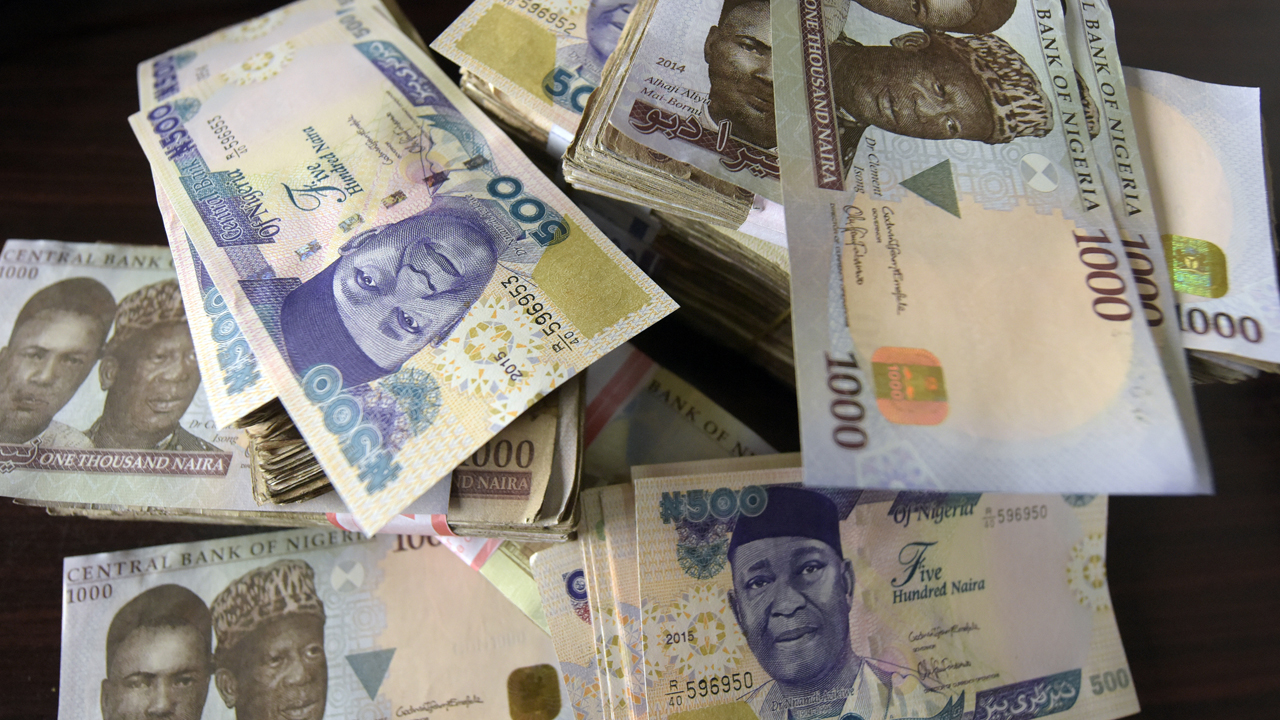
The Nigerian Naira has demonstrated remarkable resilience in recent weeks, strengthening against the Euro as Europe’s second-largest economy grapples with unprecedented political instability.
Official Market Shows Naira Appreciation
The Nigerian currency has shown strengthening signs against the Euro in both official and parallel markets, with the official market closing at N1,715/€, an improvement from N1,729/€ recorded at the end of September. This positive momentum represents a notable shift for the embattled currency, which has faced significant pressure throughout much of the past year.
France’s Political Crisis Weighs on Euro
The Naira’s gains coincide with severe political unrest in France, marked by budget disputes, nationwide strikes, and government collapses throughout September and October 2025. The situation reached a critical point when Sébastien Lecornu, who holds the distinction of having the shortest tenure as prime minister in the Fifth Republic, resigned on October 6 shortly after presenting his cabinet, just weeks after his September 9 appointment.
The abrupt resignation triggered immediate market anxiety, driving borrowing costs higher and precipitating a decline of over 1.3 percent in France’s CAC 40 stock index. Adding to the turmoil, François Bayrou was previously removed as prime minister after nine months due to controversial austerity measures that prompted Moody’s to downgrade France’s credit rating.
Deep-Rooted Political Fragmentation
France has been experiencing an escalating political crisis since snap legislative elections in 2024 resulted in a divided parliament, with power fractured between the far-right National Rally, the far-left New Popular Front, and President Emmanuel Macron’s centrist party.
The depth of public discontent became evident when over 195,000 protesters took to the streets on October 1 and 2, with unions like the CGT organizing nationwide strikes against proposed budget cuts and calling for wealth taxes on the ultra-rich.
CBN Reforms Bolster Naira’s Position
While European instability has weakened the Euro, the ongoing crisis has driven investors away from the European currency toward safe-haven assets, indirectly benefiting emerging market currencies like the Naira, which is currently supported by Nigeria’s foreign exchange reforms and Central Bank interventions.
The Naira’s resilience stems from CBN interventions, improved dollar inflows, and its relative stability when compared to the Eurozone’s debt challenges, particularly France’s debt-to-GDP ratio exceeding 110 percent.
Recent CBN reforms, combined with rising foreign reserves and reduced forex speculation, have contributed to one of the most impressive recoveries in the Naira’s recent history, with external reserves climbing to $43 billion.
Comprehensive Reform Strategy
The transformation of Nigeria’s foreign exchange market includes the integration of exchange rates, implementation of the FX Code, and introduction of the Electronic Foreign Exchange Matching System, aimed at reducing the estimated $7 billion foreign exchange backlog and consolidating various rates into a more transparent system.
The CBN has also focused on increasing liquidity by attracting foreign portfolio investors and international oil companies while strengthening compliance with forex market regulations, thereby reducing speculative activity that previously pressured the Naira.
Dollar Strength Compounds Euro Weakness
The US dollar has approached two-month highs as economic and fiscal concerns impact Group 10 currencies in Europe and the Asia Pacific, with political unrest in France intensifying following Lecornu’s resignation and allowing far-right parties to gain traction.
Governance concerns across the Eurozone have deepened as Germany’s economic output fell to a three-month low and France’s manufacturing activity recorded its steepest decline since May 2020, while negative impacts from the US government shutdown have been overshadowed by unfavorable overseas developments.
The convergence of political instability in Europe and deliberate policy reforms in Nigeria has created an unusual dynamic in currency markets, positioning the Naira to capitalize on Euro weakness at a crucial moment in its recovery trajectory.
WHAT YOU SHOULD KNOW
The Nigerian Naira is strengthening against the Euro—not just because of domestic reforms, but because France’s political crisis is weakening European currencies.
While the Central Bank of Nigeria’s reforms and rising foreign reserves (now at $43 billion) have stabilized the Naira, the real story is France’s unprecedented instability: two prime ministers collapsed within weeks, sparking mass protests and credit downgrades.
This chaos is driving investors away from the Euro and toward safer alternatives, inadvertently benefiting emerging market currencies like the Naira.