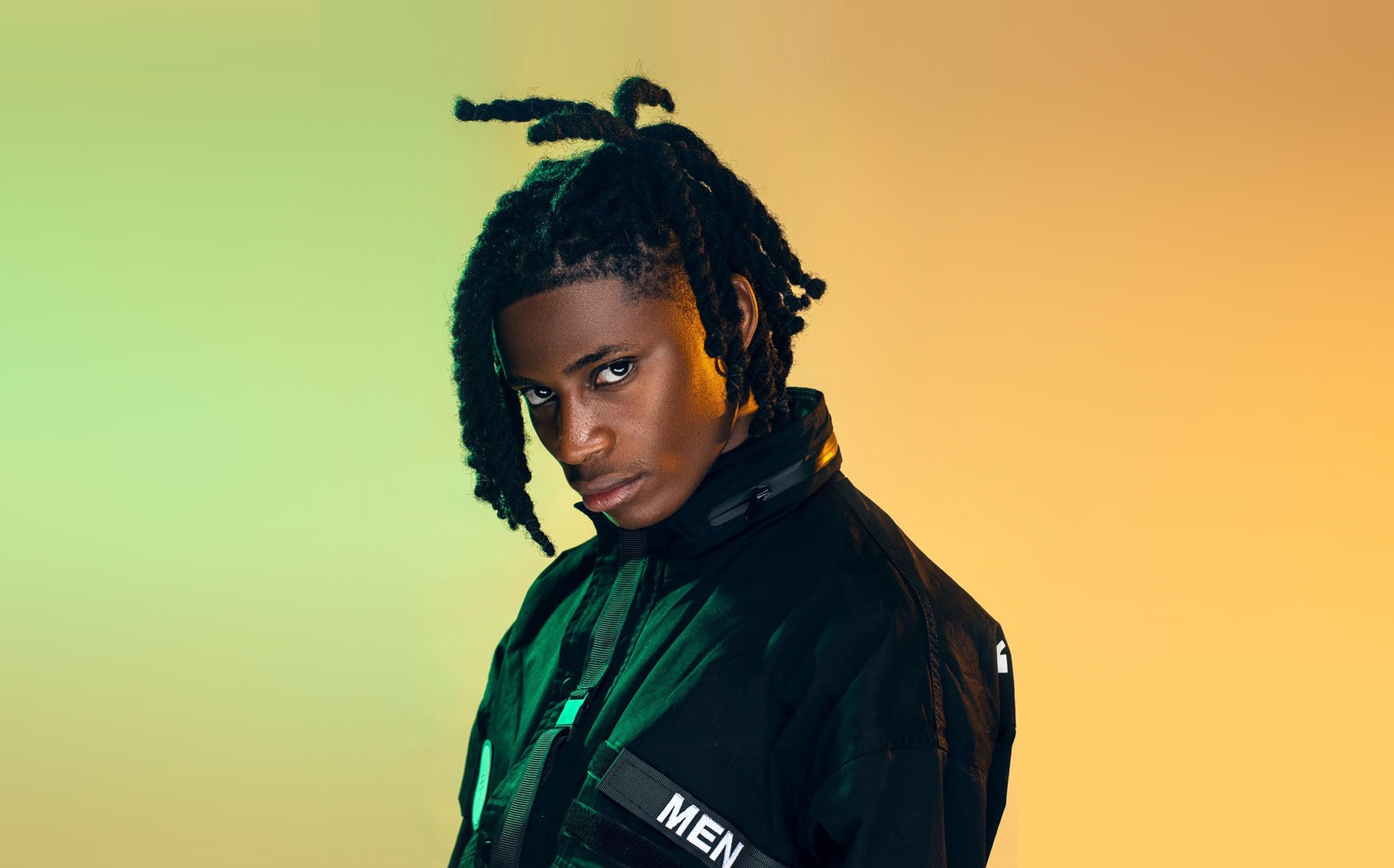
Nigerian singer Sulaimon Shekoni Solomon, professionally known as Khaid, has sparked widespread speculation across social media after posting a series of cryptic messages on X (formerly Twitter) that appear to hint at ongoing legal troubles and a desire to break free from what he describes as controlling influences.
The 21-year-old Afrobeats sensation, who rose to prominence with hits like “With You” and “Jolie,” made his frustrations public in a pointed statement that has left fans and industry observers questioning the nature of his current circumstances. “They want control. I want freedom. Let’s see who wins,” Khaid wrote, suggesting an adversarial relationship with unnamed parties.
The posts, which surfaced earlier this week, have ignited discussions about the often contentious relationship between young artists and their record labels or management companies in Nigeria’s rapidly expanding music industry. While Khaid stopped short of naming specific individuals or entities, his language suggests potential contractual disputes that could require legal intervention.
In a follow-up message that underscored the seriousness of his situation, the singer made an unusual public appeal for legal representation, stating he would need lawyers to handle “certain personal matters.” This revelation has fueled speculation about whether Khaid is seeking to renegotiate existing agreements or potentially exit current contractual obligations entirely.
Perhaps most tellingly, Khaid used his platform to encourage newly qualified lawyers to consider specializing in entertainment law, highlighting what he sees as a growing need for legal expertise in Nigeria’s music sector. “These graduating lawyers better be in the entertainment scene. Y’all got work to do. Need me like five. Matter full ground. Time will tell,” he posted, using colloquial language that nonetheless conveyed the urgency of his predicament.
The singer’s public statements come at a time when several high-profile Nigerian artists have engaged in well-publicized legal battles with their former labels and management companies. Industry veterans point to these incidents as symptomatic of broader issues within the Nigerian music business, where young artists often sign contracts without adequate legal representation, only to find themselves in restrictive agreements as their careers flourish.
Khaid, who is signed to Neville Records, has not responded to requests for comment, nor have representatives from his label. The artist has maintained his silence on the specific details of his situation, neither confirming nor denying the various theories circulating among fans and media outlets.
Legal experts in the entertainment industry suggest that Khaid’s public approach, while unusual, may be a strategic move to apply pressure in ongoing negotiations. “When artists go public like this, it’s often because private discussions have reached an impasse,” noted one Lagos-based entertainment lawyer who requested anonymity.
The situation highlights the evolving dynamics within Nigeria’s music industry, where young artists are increasingly aware of their rights and more willing to challenge what they perceive as unfavorable arrangements. As the Afrobeats genre continues to gain global recognition and financial value, disputes over creative control, revenue sharing, and contractual terms have become increasingly common.
For now, fans and industry watchers will be monitoring Khaid’s social media channels and public appearances for further clues about the resolution of what appears to be a significant professional challenge for the young artist. Whether this public campaign for “freedom” will result in a favorable outcome for Khaid remains to be seen, but his willingness to air his grievances publicly suggests he views the stakes as particularly high.
As Khaid himself noted in his enigmatic posts, “Time will tell,” – leaving the music industry and his substantial fanbase to wait and see how this unfolds.
WHAT YOU SHOULD KNOW
Nigerian Afrobeats star Khaid is publicly signaling a legal battle for creative freedom, likely against his record label or management. His cryptic social media posts reveal he’s seeking multiple lawyers to handle “personal matters” while expressing frustration with controlling forces in his career.
This highlights a growing trend of young Nigerian artists challenging restrictive contracts as the industry’s global value increases. The outcome of Khaid’s fight could set a precedent for artist rights in Nigeria’s booming music scene, though he has yet to reveal specific details about his legal disputes.