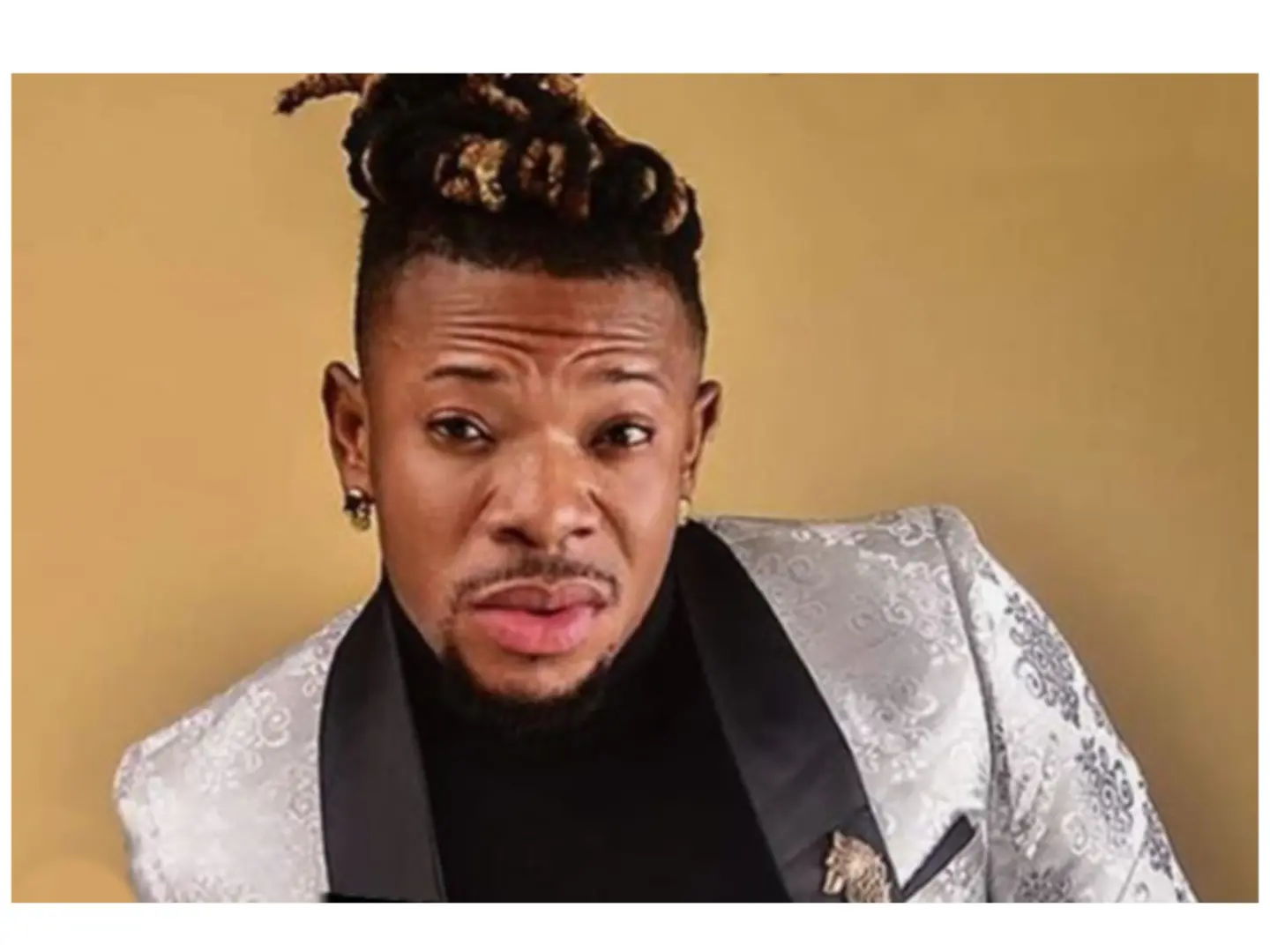
Nigerian music artist Okafor Uchenna Victor, professionally known as Mr Real, has sparked fresh conversation about intellectual property rights in the country’s booming music industry, alleging that song theft has become endemic within the Afrobeats scene.
The artist, best known for his 2018 hit single “Legbegbe,” made the controversial claims during a recent interview with Hip TV, painting a sobering picture of an industry where originality has become increasingly rare and emerging artists bear the brunt of exploitation.
According to Mr Real, the theft of musical ideas and compositions has reached alarming proportions in Nigerian music, with upcoming artists being the most vulnerable victims. He argued that these lesser-known musicians often lack the fan base and industry clout necessary to seek justice or even raise awareness when their intellectual property is appropriated by more established acts.
“Stealing of songs happens more between upcoming artists and top artistes, but the upcoming no get fans to speak for them,” Mr Real stated in Pidgin English, highlighting the power imbalance that enables such practices to flourish unchecked.
In perhaps his most provocative assertion, the artist declared that Afrobeats as a genre lacks original compositions entirely. “There’s no original song in Afrobeats,” he claimed, suggesting that the culture of borrowing—or outright theft—has become so pervasive that it defines the industry itself.
Mr. Real didn’t shy away from implicating even the genre’s biggest names in this practice. When addressing recent allegations that superstar Rema may have appropriated material from fellow artist Omah Lay, he suggested such scenarios were not only possible but likely given the industry’s nature. “Even Rema fit steal Omah Lay’s song,” he said, adding, “You see, the idea is bad if you’re not sharp; Omo boys will run it. No time.”
In a particularly pointed observation, Mr. Real called out veteran artist Blackface—a longtime critic of intellectual property theft who has famously accused other artists, including 2Baba (formerly 2Face Idibia), of stealing his songs. According to Mr. Real, even Blackface has been guilty of using other artists’ work without permission.
“Blackface, they always complain, say dem steal his song… Even the one shouting ‘they stole my song’ don still copy person own,” he stated, suggesting a cycle of hypocrisy within the industry where victims may also be perpetrators.
Mr Real’s allegations come at a time when Nigerian music, particularly Afrobeats, continues to gain unprecedented global recognition and commercial success. Artists like Burna Boy, Wizkid, Davido, and Rema have brought the genre to international stages, securing Grammy nominations and collaborations with global superstars.
However, this explosive growth has also brought increased scrutiny regarding industry practices, including concerns about proper crediting, royalty distribution, and intellectual property protection. The issues Mr Real raises point to potential structural problems that could undermine the industry’s long-term sustainability if left unaddressed.
As the Nigerian music industry continues to expand its global footprint, questions about originality, artistic integrity, and the protection of creative rights remain pressing concerns that stakeholders—from artists and producers to record labels and regulatory bodies—will need to confront head-on.
WHAT YOU SHOULD KNOW
Nigerian artist Mr Real has raised serious concerns about widespread intellectual property theft in the Afrobeats industry, claiming no songs in the genre are truly original. The key takeaway: emerging artists are the primary victims of song theft but lack the platform and fan support to seek justice, while even established artists who publicly complain about being plagiarized have themselves stolen from others.
This revelation exposes a troubling cycle of exploitation and hypocrisy that threatens the integrity of Nigeria’s globally celebrated music industry, demanding urgent attention from industry stakeholders to protect creative rights and ensure fair practices as Afrobeats continues its international rise.