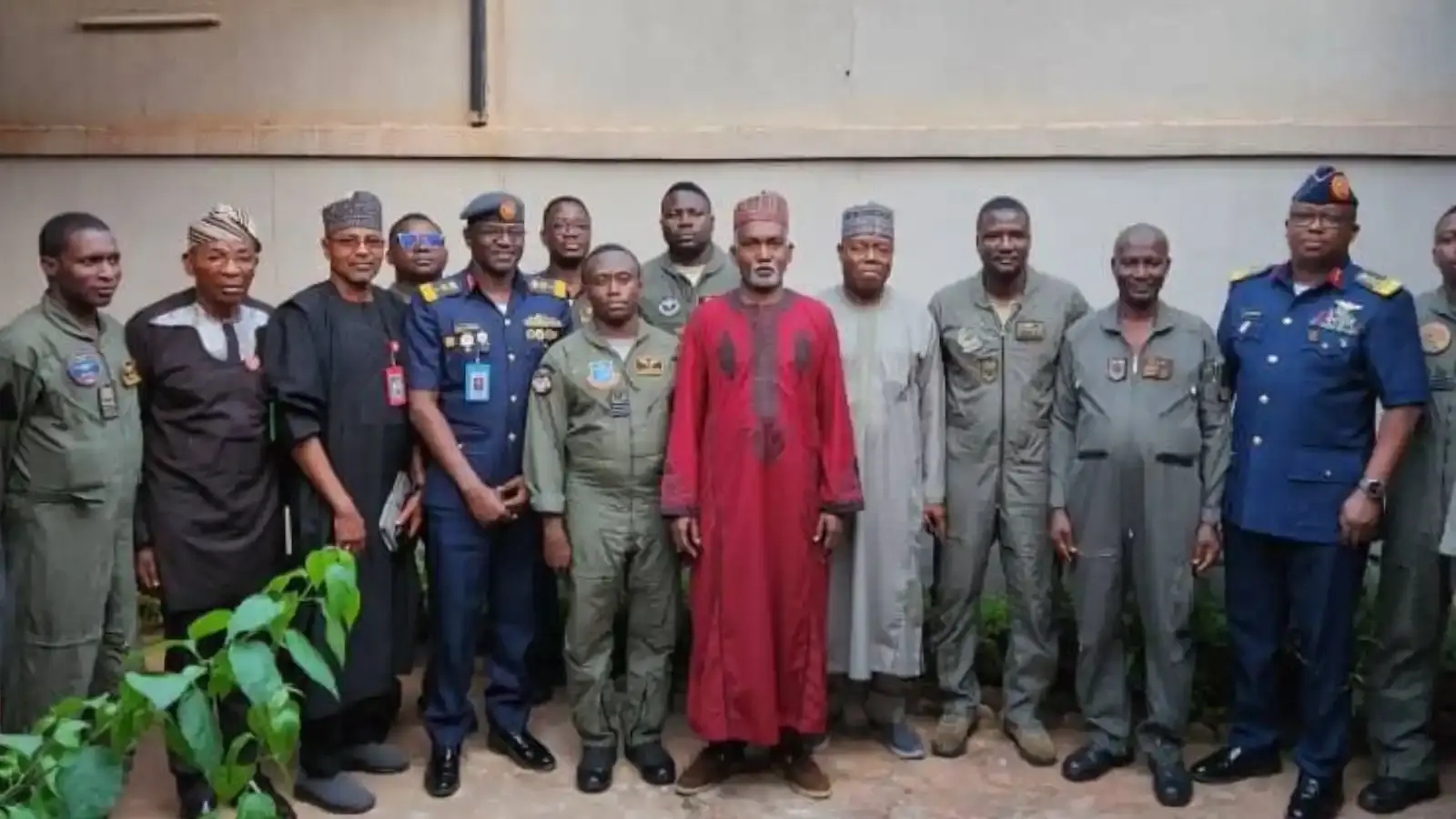
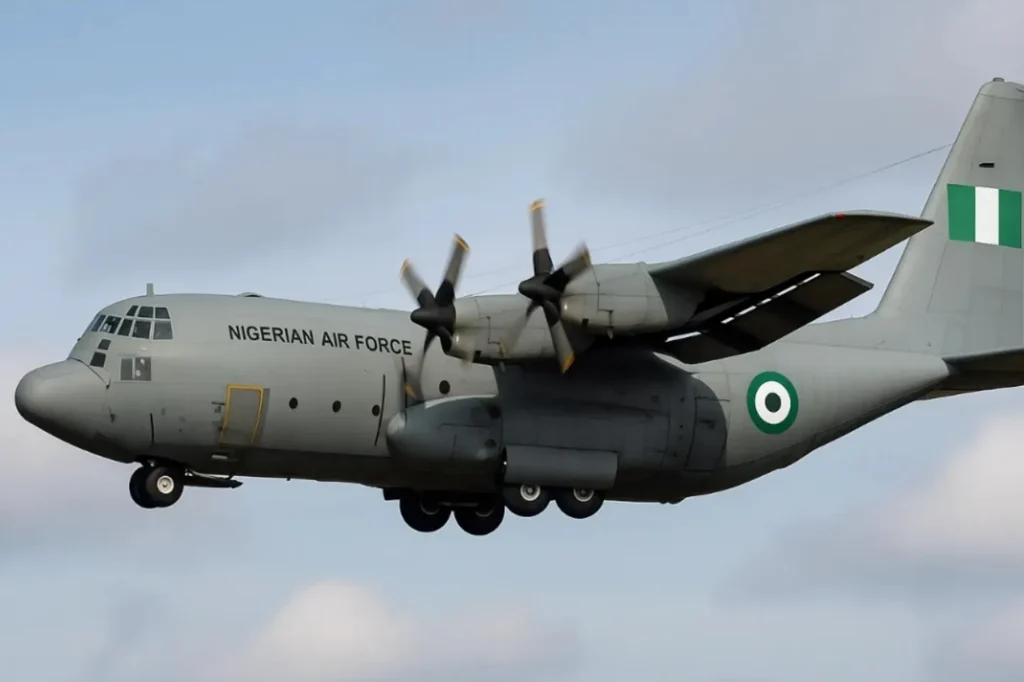
The Federal Government has officially confirmed that the Nigerian Air Force aircraft and the 11 soldiers detained in Burkina Faso following a forced landing have been released.
This confirmation was given on Wednesday night by the spokesperson of the Ministry of Foreign Affairs, Mr Kimiebi Ebienfa, who stated simply, “Yes, they have been released.”
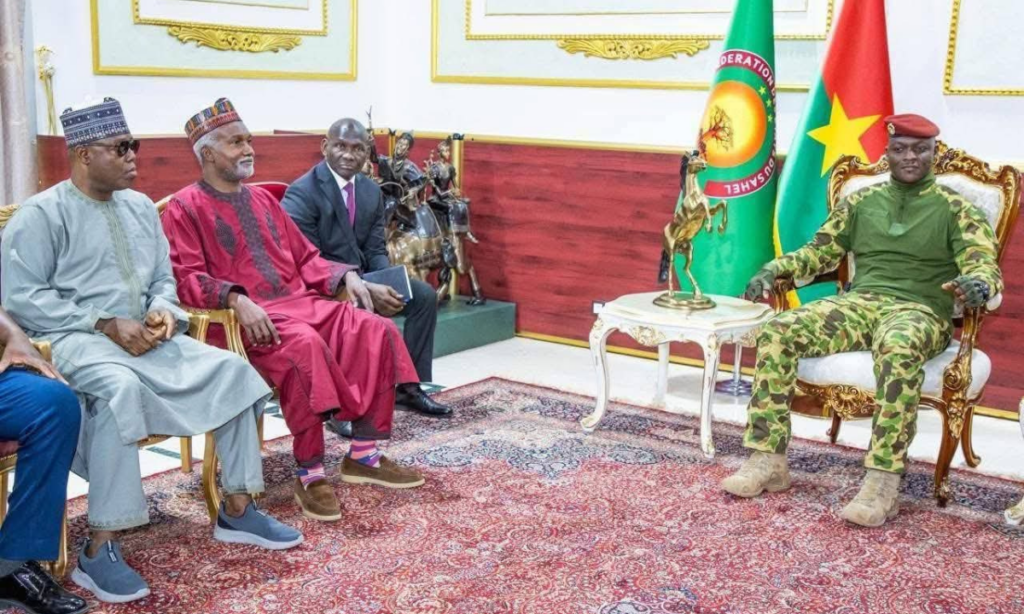
The development followed a high-level diplomatic engagement led by Nigeria’s Minister of Foreign Affairs, Mr Yusuf Tuggar, who met with Burkina Faso’s junta leader, Mr Ibrahim Traoré, in Ouagadougou on Wednesday.
Speaking during a press briefing, Tuggar explained that the visit was undertaken at the directive of President Bola Tinubu, underscoring Nigeria’s commitment to resolving the issue through diplomatic channels.
The incident occurred nearly two weeks ago when a Nigerian Air Force C-130 aircraft, carrying 11 soldiers, was compelled to make an emergency landing in Bobo Dioulasso. The aircraft was reportedly on a ferry mission to Portugal at the time.
Earlier, the Director of Public Relations of the Nigerian Air Force, Mr Ehimen Ejodame, had clarified that the crew detected a technical fault mid-flight and executed a precautionary landing at the nearest available airfield, in line with established international aviation protocols.
Despite this explanation, the situation escalated after Mali’s junta leader, Mr Assimi Goita, speaking on behalf of the Confederation of Sahel States, described the landing as an “unfriendly act carried out in defiance of international law.” He further warned that member states were authorised to neutralise aircraft deemed to have violated their airspace.
The release of both the aircraft and the detained personnel signals a de-escalation of tensions and highlights the role of diplomatic engagement in resolving sensitive regional security issues.
What you should know
The forced landing of the Nigerian Air Force aircraft in Burkina Faso raised regional security and diplomatic concerns, especially within the Confederation of Sahel States.
While Nigeria maintained that the landing followed international aviation safety standards due to a technical fault, some Sahel leaders initially viewed it as a breach of sovereignty.
The successful release of the aircraft and soldiers after diplomatic intervention by Nigeria’s foreign minister reflects Abuja’s preference for dialogue over confrontation and underscores the fragile security dynamics and mistrust currently shaping relations among West African and Sahelian states.