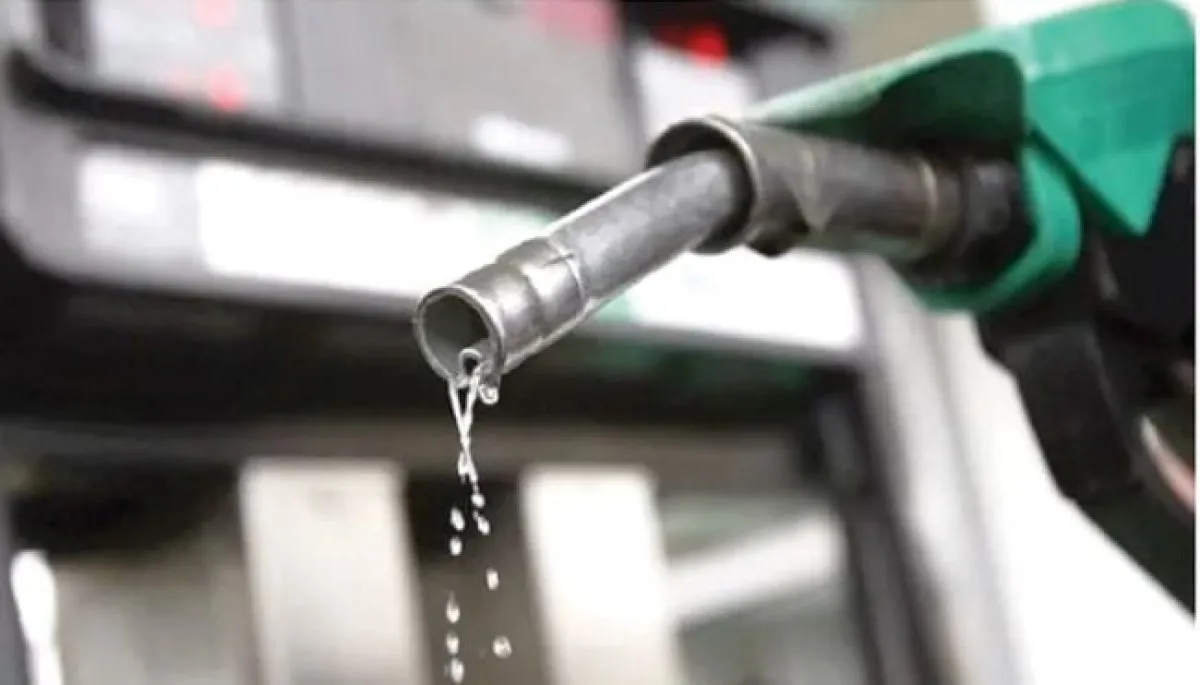
In a significant policy reversal, Nigeria’s petroleum regulatory authority announced on Thursday that the federal government has abandoned plans to implement a controversial 15 percent import duty on refined petroleum products, a move that had threatened to push fuel prices beyond the reach of millions of Nigerians.
The Nigerian Midstream and Downstream Petroleum Regulatory Authority (NMDPRA) made the announcement through its Director of Public Affairs, George Ene-Ita, effectively canceling a policy that was set to take effect on November 21, just days away.
“The implementation of the 15% ad-valorem import duty on imported Premium Motor Spirit and Diesel is no longer in view,” the regulatory body stated, bringing relief to consumers and businesses bracing for yet another fuel price surge in Africa’s most populous nation.
A Policy Born of Industrial Ambition
The now-shelved tariff was approved by President Bola Tinubu on October 29, following a proposal from Zacch Adedeji, Executive Chairman of the Federal Inland Revenue Service. The policy was designed to level the playing field between imported fuel and domestically refined products by imposing duties on the cost, insurance, and freight value of imported petrol and diesel.
Proponents of the measure argued it would protect Nigeria’s nascent refining industry, particularly the Dangote Refinery — Africa’s largest — and smaller modular refineries that have struggled to compete with cheaper imported products. By making imports more expensive, the government hoped to incentivize local production and reduce Nigeria’s heavy dependence on foreign refined petroleum products, despite being one of Africa’s largest crude oil producers.
Economic Concerns Fueled Opposition
However, the policy faced immediate backlash from economists and consumer advocacy groups who warned of its inflationary implications. Energy analysts had projected the duty could add as much as ₦150 or more per liter to pump prices, compounding the economic hardship already facing Nigerian households.
With transportation costs forming a significant component of goods and services pricing in Nigeria, experts cautioned that higher fuel costs would ripple through the entire economy, potentially driving inflation to unsustainable levels and eroding purchasing power for ordinary citizens still reeling from the removal of fuel subsidies earlier in the Tinubu administration.
The timing was particularly sensitive, coming during what the NMDPRA described as a “peak demand period” when fuel consumption typically rises.
Government Moves to Calm Nerves
In its statement, the NMDPRA sought to reassure the public and discourage panic buying, a recurring phenomenon in Nigeria whenever fuel policy changes are announced or rumored.
“There is adequate supply of petroleum products in the country, within the acceptable national sufficiency threshold,” the authority stated, emphasizing that supplies from both local refineries and imports would ensure “timely replenishment of stocks at storage depots and retail stations.”
The regulatory body also issued a stern warning against market manipulation, cautioning stakeholders against “hoarding, panic buying or non-market reflective escalation of prices.” The NMDPRA pledged to maintain close monitoring of the supply chain and take “appropriate regulatory measures” to prevent disruptions, particularly during this high-demand season.
Questions Remain
While the policy reversal will be welcomed by consumers, it raises questions about the government’s strategy for supporting domestic refineries and achieving self-sufficiency in petroleum products — a goal that has eluded successive Nigerian administrations for decades.
The announcement also highlights the delicate balancing act facing the Tinubu administration as it attempts to reform Nigeria’s petroleum sector while managing the political and economic costs of policies that could further strain household budgets.
As of press time, neither the Presidency nor the Federal Inland Revenue Service had issued additional statements explaining the factors behind the policy’s abandonment or outlining alternative measures to support local refining capacity.
For now, Nigerian motorists and businesses can breathe easier, knowing that at least one potential price shock has been averted — even as uncertainty continues to define the nation’s volatile fuel market.
WHAT YOU SHOULD KNOW
Nigeria has cancelled the planned 15% import duty on petrol and diesel that was set to begin November 21, which could have increased fuel prices by ₦150 per liter or more.
The government assures adequate fuel supply nationwide and warns against panic buying or hoarding.
This policy reversal spares consumers from another major price hike, though it leaves unanswered how the government will support local refineries like Dangote without making imported fuel more expensive.