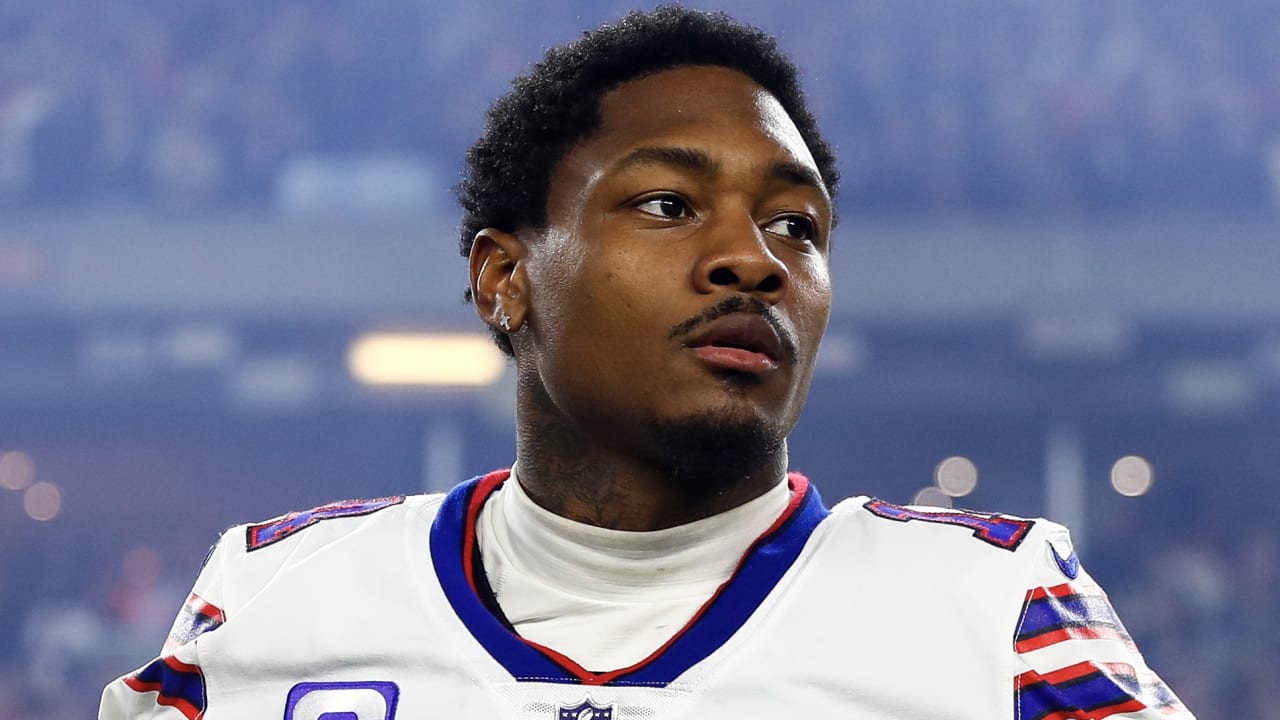
In a high-stakes legal battle now making headlines, New England Patriots wide receiver Stefon Diggs has launched a fierce legal counterattack, adamantly rejecting shocking claims of sexual assault and an alleged conspiracy to commit murder.
The lawsuit, filed October 1st and obtained by TMZ Sports, marks an aggressive legal response by the 31-year-old NFL star to claims he characterizes as complete fabrications designed to generate social media clout at the expense of his reputation and livelihood.
According to court documents, the dispute centers on events Griffith claims occurred in May 2023, following a charity basketball game in Washington, D.C. Griffith, described in the lawsuit as a “would-be social media influencer,” alleges that Diggs drugged and sexually assaulted him at the receiver’s Rockville, Maryland residence, then conspired to have him killed to prevent exposure of what Griffith characterized as the athlete’s “gay/bisexual secrets.”
The accusations, which Griffith posted to his social media accounts reaching tens of thousands of followers, were strategically tagged to maximize visibility — including mentions of the NFL’s official account, the New England Patriots’ social media presence, and even Ugg, the footwear brand with which Diggs maintains a lucrative sponsorship deal.
The Patriots receiver paints a starkly different picture of that May evening. According to the lawsuit, Diggs and Griffith, along with other social media influencers, attended a local nightclub following the charity basketball event. The group later returned to Diggs’ home, where the football star says he retired to his bedroom while his assistant asked Griffith to leave — what Diggs describes as the conclusion of an unremarkable evening.
Perhaps most striking about this case is the timeline. The alleged incident occurred in May 2023, yet Griffith didn’t publicly level his accusations until summer 2025 — more than two years later. This significant gap in timing is likely to become a focal point of Diggs’ defense, as his legal team argues the delay undermines the credibility of Griffith’s claims.
The lawsuit contends that Griffith “intentionally and knowingly” fabricated the allegations for online attention and engagement, fully aware of the devastating impact such accusations would have on a high-profile athlete’s career and reputation.
Griffith’s attorney, Jake Lebowitz, issued a defiant statement in response to our inquiry, signaling his client has no intention of backing down.
“Mr. Griffith is looking forward to showing the world in Court that regardless of the fairy tale fabricated by Mr. Diggs’ high-priced New York Lawyers, he is the victim of Mr. Diggs’ unwanted sexual advances and his brother’s violent attacks,” Lebowitz stated.
The response introduces a new element to the narrative — allegations involving Diggs’ brother and claims of physical violence in addition to the sexual assault accusations.
For Diggs, the lawsuit represents more than just a defense of his character — it’s a battle for his professional future. In an era where social media can make or break careers overnight, allegations of this nature, regardless of their veracity, can cost athletes millions in endorsements, roster spots, and public goodwill.
The lawsuit seeks unspecified damages and attorneys’ fees, though legal observers suggest the amount could be substantial, potentially running into the millions given Diggs’ high-profile status and the serious nature of the reputational harm alleged.
This case arrives at a moment when the intersection of social media influence, celebrity culture, and legal accountability has never been more complex. The ease with which accusations can be broadcast to massive audiences, coupled with the permanent nature of online content, has created a new battleground where reputations can be destroyed in real-time.
For Griffith, if the allegations prove false, he could face significant financial liability. Libel cases involving public figures require proof of “actual malice” — that the defendant knew the statements were false or acted with reckless disregard for the truth. Diggs’ legal team appears prepared to argue exactly that.
Conversely, if Griffith can substantiate any portion of his claims, Diggs faces potential criminal exposure beyond the civil lawsuit, not to mention career-ending consequences.
As this case proceeds through the courts, both sides will need to present evidence supporting their dramatically opposing versions of events. Witness testimony, phone records, security footage, and forensic evidence may all play crucial roles in determining the outcome.
For now, the court of public opinion remains divided, with social media users debating the merits of each side’s claims. But ultimately, this dispute will be decided where it belongs — in a courtroom, under oath, with the full weight of the legal system determining whose version of events holds up under scrutiny.
One thing is certain: in an age where a single social media post can reach millions within minutes, the stakes for both truth and accountability have never been higher.
WHAT YOU SHOULD KNOW
NFL star Stefon Diggs is suing social media influencer Christopher Blake Griffith for libel after Griffith publicly accused him of drugging, sexually assaulting, and conspiring to kill him. Diggs categorically denies all allegations, calling them complete fabrications made for social media clout.