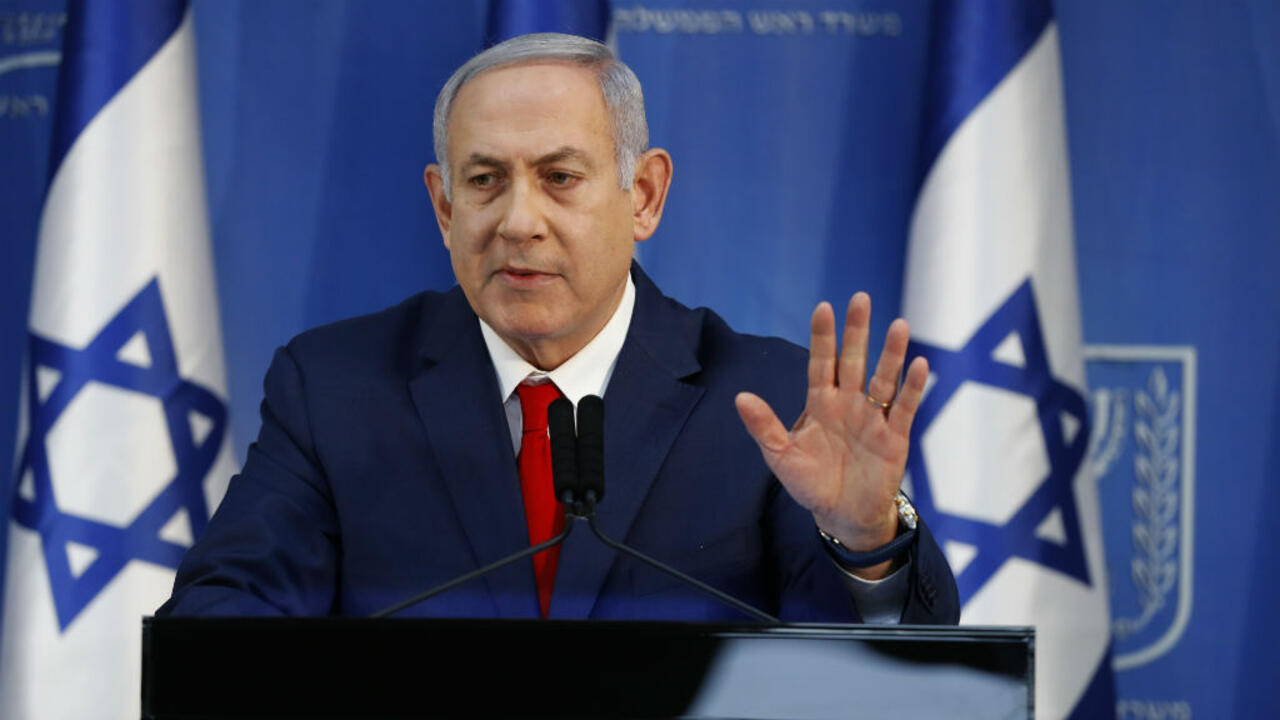
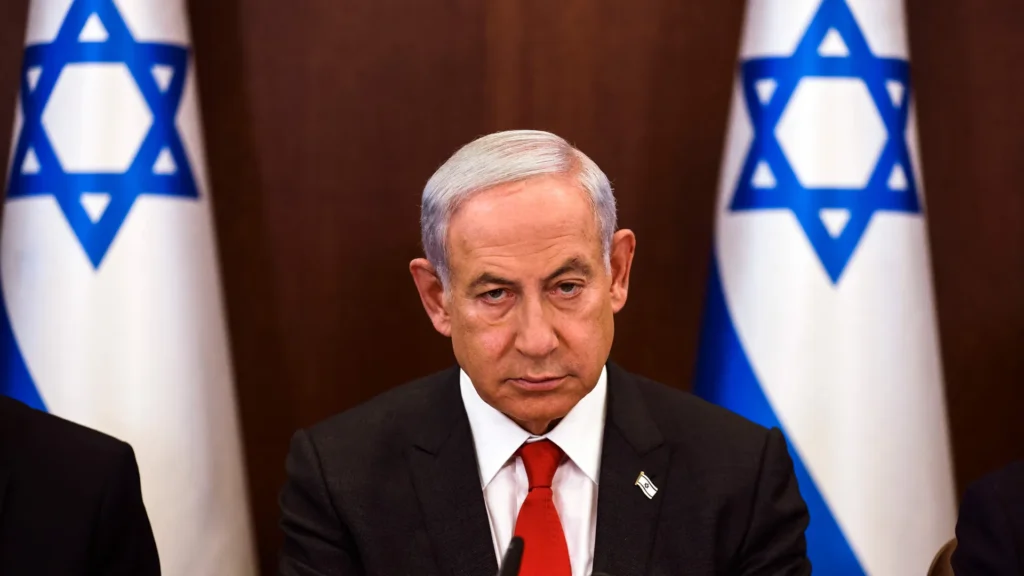
Israeli Prime Minister Benjamin Netanyahu said on Saturday that Israel will continue its war against Iran, declaring that the country has a “systematic plan to eradicate the Iranian regime,” even as Tehran insisted it would never surrender.
Netanyahu made the remarks in a televised address where he pledged to pursue the war “with all our force.” His statement came on a day when Iran launched multiple waves of missiles and drones targeting several Gulf countries.
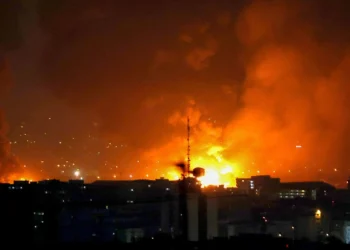
At the same time, Israel and the United States intensified their air strikes on Iran. One of the attacks set an airport in Tehran on fire while another targeted an oil depot, as Iran continued to respond with retaliatory strikes.
Iran’s Revolutionary Guards said they struck the American Juffair base in Bahrain, claiming it had been used earlier to attack an Iranian desalination facility.
Air raid sirens and explosions were reported in Jerusalem and Doha, while attacks were also reported in the United Arab Emirates and Bahrain.
Authorities in the UAE said their air defence systems intercepted 15 missiles and 119 drones on Saturday morning. However, video footage showed one projectile crashing near Dubai airport.
Journalists reported hearing explosions in Baghdad, Erbil and Dubai later in the evening, while Saudi Arabia also confirmed that it had intercepted an attack.
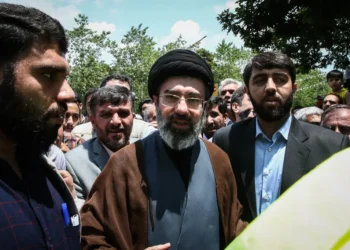
“Evidence from Iran’s armed forces shows that the geography of some countries in the region is openly and covertly at the disposal of the enemy,” said Iran’s judiciary chief, Gholamhossein Mohseni Ejei.
“The heavy attacks on these targets will continue,” he added.
Earlier, Iranian President Masoud Pezeshkian apologised to neighbouring countries that host major US military bases, acknowledging that the conflict was affecting them.
However, he struck a defiant tone while responding to US President Donald Trump’s demand for “unconditional surrender.”
Iran’s enemies, he said, “must take their wish for the unconditional surrender of the Iranian people to their graves.”
Intensified air raids
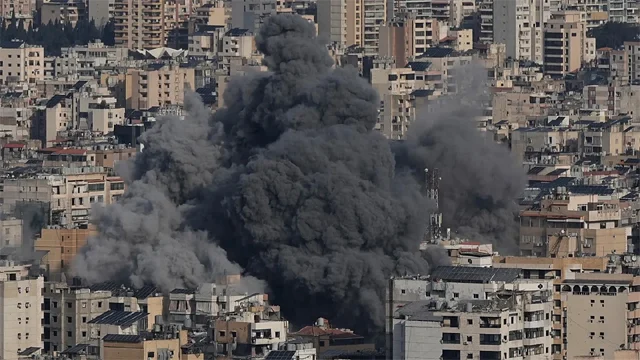
Israel carried out some of its largest air raids since the conflict began last week. Targets included a military academy, an underground command centre and a missile storage facility.
A predawn strike at Tehran’s Mehrabad International Airport sent flames and thick smoke into the sky. Israeli authorities said the attack destroyed 16 aircraft and fighter jets.
In his address, Netanyahu claimed that Israeli forces had gained almost total control of the airspace over the Iranian capital.
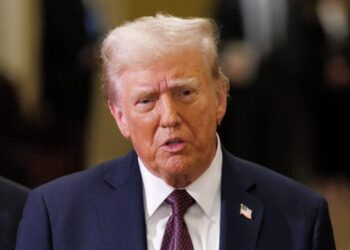
Trump, a close ally of Israel in the conflict, had earlier posted on his Truth Social platform that Iran would face severe attacks.
“Today Iran will be hit very hard!” he wrote.
He also warned that additional targets could face “complete destruction and certain death” because of Iran’s actions.
Speaking later in Florida, Trump repeated his claim that Iran had been close to developing a nuclear weapon.
“They’re crazy and they would have used it. So we did the world a favour,” he said.
The war, now entering its second week, began after joint Israeli and US air strikes that reportedly killed Iran’s supreme leader, Ali Khamenei.
Since then, the conflict has expanded beyond Iran and Israel to include Lebanon, Cyprus, Turkey and Azerbaijan. Fighting has also spread to international waters near Sri Lanka, where US forces reportedly sank an Iranian warship with a torpedo.
Within Iran, infrastructure damage is increasing and residents in Tehran say anxiety is growing as the heavy presence of security forces continues.
“I don’t think anyone who hasn’t experienced war would understand it,” a 26-year-old teacher told AFP anonymously.
“When you hear the bombs, you have no idea where they will hit.”
Iran’s health ministry said on Friday that 926 civilians had been killed and about 6,000 injured since the conflict began, although the figures have not been independently verified.
Israel has also intensified air strikes in Lebanon, repeatedly bombing areas in Beirut’s southern suburbs and large parts of southern Lebanon where the Iran-backed militant group Hezbollah operates.
Israeli Defence Minister Israel Katz warned Lebanese President Joseph Aoun that Lebanon would face a “very heavy price” if Hezbollah is not disarmed.
Israeli commandos also carried out a failed mission overnight to recover the remains of an air force navigator lost in 1986. The operation resulted in 41 deaths in the Lebanese town of Nabi Sheet.
Lebanon’s health ministry said Israeli air strikes have killed at least 294 people over the past week. Prime Minister Nawaf Salam warned that the country could face a major humanitarian crisis if the attacks continue.
Global economic impact
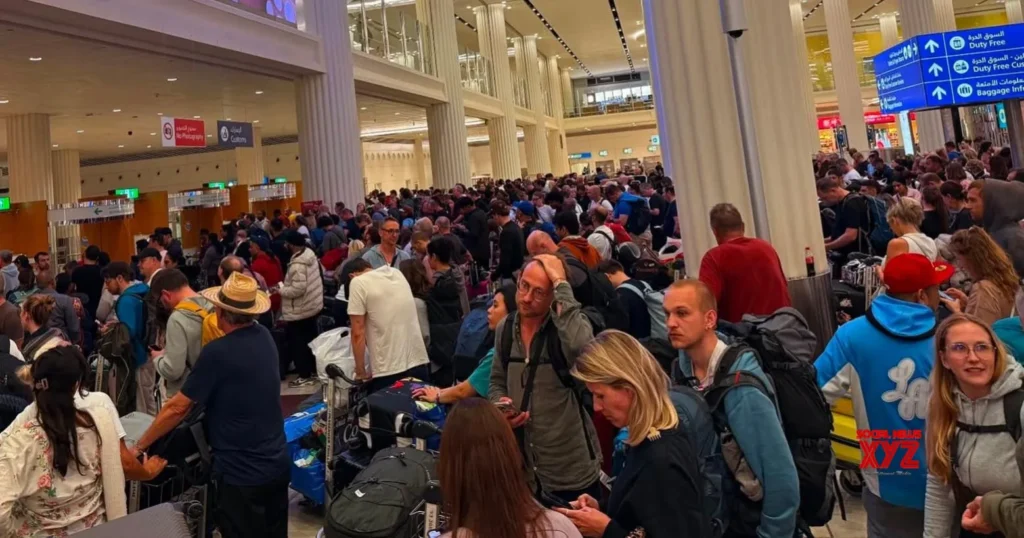
The effects of the conflict are spreading far beyond the Middle East.
Global stock markets have dropped sharply while oil prices have surged as investors react to the growing instability in the region.
Iran’s Revolutionary Guards said they also targeted two oil tankers in the Gulf using explosive drones. The attacks are part of attempts to disrupt oil and gas shipments passing through the Strait of Hormuz, one of the world’s most important energy routes.
Trump has said the United States would help rebuild Iran’s economy if Tehran installs a leader “acceptable” to Washington to replace the late supreme leader.
However, Iran’s ambassador to the United Nations, Amir Saeid Iravani, rejected any suggestion that the United States could influence the selection of the country’s next leader.
“The selection of Iran’s leadership will take place strictly in accordance with our constitutional procedures and solely by the will of the Iranian people, without any foreign interference,” he said.
China and Russia have largely stayed out of the conflict despite their ties with Iran, though reports suggest Moscow may be sharing intelligence with Tehran regarding US troop movements.
US Defense Secretary Pete Hegseth said Washington was “not concerned” about those reports.
The conflict has also claimed the lives of six US service members, and Trump was expected to attend a ceremony marking the return of their bodies on Saturday.
What you should know
The ongoing war between Israel and Iran has quickly evolved into one of the most serious regional conflicts in recent years.
With attacks spreading across multiple countries and key energy routes threatened, analysts warn that the fighting could expand further and disrupt global markets and international security if diplomatic efforts fail.