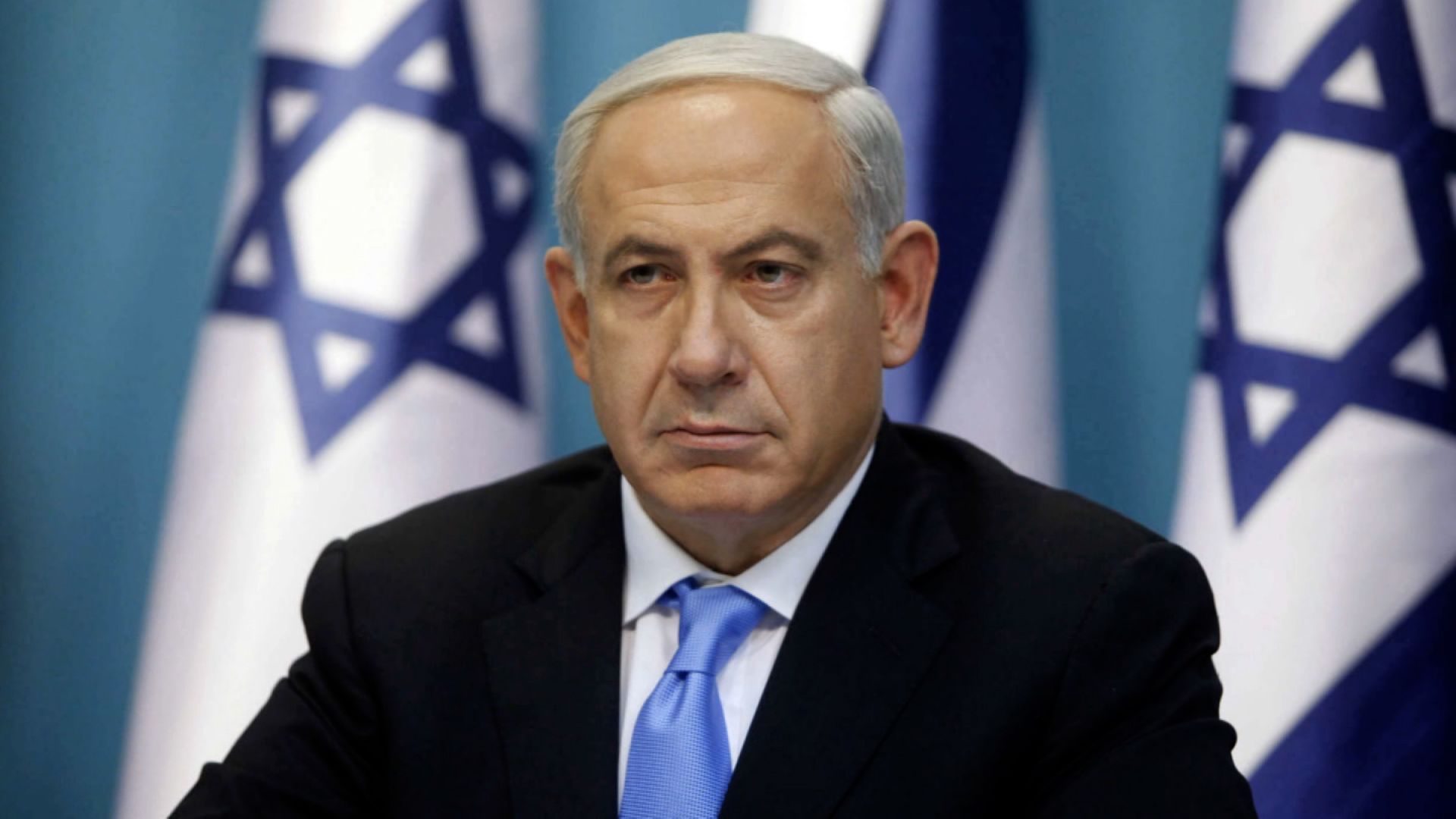
Israeli Prime Minister Benjamin Netanyahu has acknowledged that his country is struggling to maintain support among younger generations in the West, as public opinion polls reveal a significant decline in backing for Israel’s military actions in Gaza.
Speaking on the UK-based “Triggernometry” podcast in an interview aired on Wednesday, Netanyahu conceded that Israel has “work” to do in connecting with Gen Z, particularly as protests against the war have spread across Western capitals, drawing large numbers of young demonstrators.
Recent polling underscores the scale of the challenge. A Gallup survey showed that only six percent of Americans aged 18 to 34 had a favorable view of Netanyahu, while just nine percent expressed support for Israel’s ongoing military operations in Gaza. When asked about the potential consequences of this generational shift, Netanyahu agreed that Israel risked losing ground in the long run if younger audiences continue to reject its policies.
However, he argued that such opposition was tied to what he described as a broader campaign against Israel and the West, repeating an unproven claim of an organized effort without identifying who was allegedly behind it.
The prime minister’s comments came as Israel’s defense minister authorized a new phase of the military campaign, approving a plan for the capture of Gaza City while also calling up around 60,000 reservists. This escalation adds further pressure on Hamas at a time when international mediators are pushing for a ceasefire.
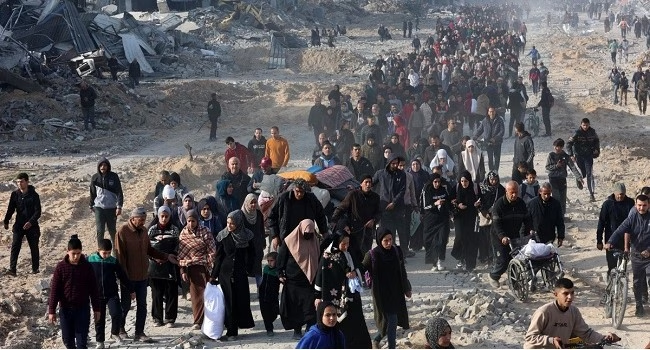
According to official Israeli figures compiled by AFP, Hamas’s attack in October 2023 killed 1,219 people, most of them civilians. Since then, Israel’s offensive has resulted in the deaths of at least 62,122 Palestinians, the majority of whom were civilians, according to the health ministry in Gaza, with the United Nations describing these figures as credible.
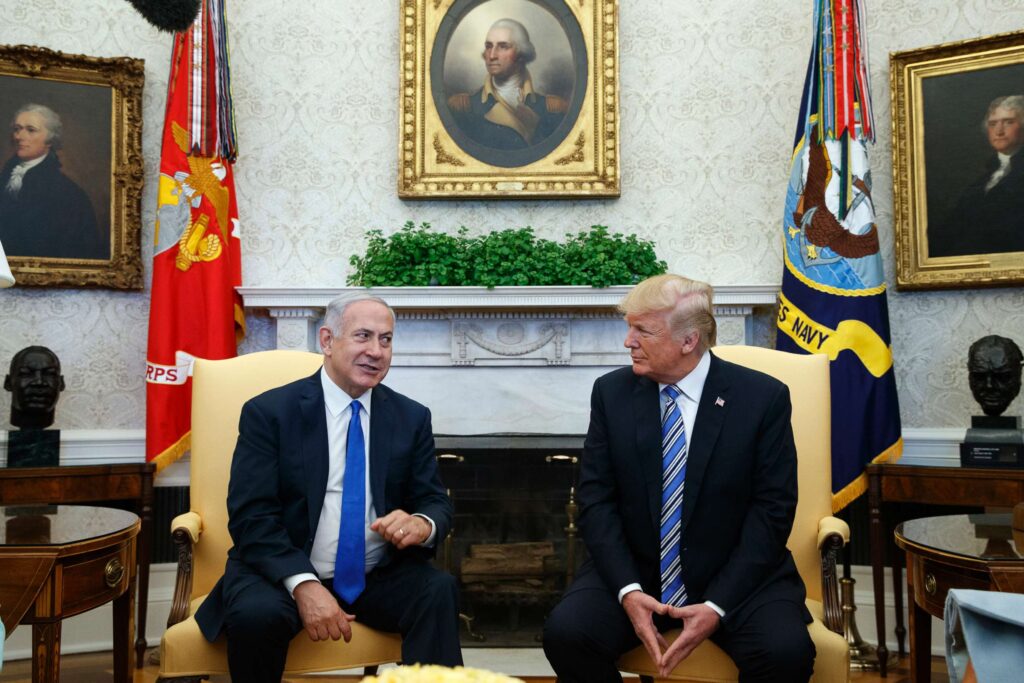
Netanyahu also emphasized the role of international politics in shaping Israel’s position, praising US President Donald Trump for offering what he described as unwavering backing since returning to the White House in January. “Trump has proven an exceptional, exceptional friend of Israel, an exceptional leader,” Netanyahu told the podcast, contrasting his support with that of European governments such as France and the UK, which have recently indicated plans to recognize a Palestinian state.
According to Netanyahu, Trump’s approach reflects a rare refusal to “succumb to this stuff,” a phrase he used to describe growing international recognition of Palestinian statehood.
What you should know
Benjamin Netanyahu’s admission reflects Israel’s increasing struggle to retain legitimacy among younger generations in the West, where support for its Gaza offensive has sharply declined.
Protests have grown across Western cities, often led by young demonstrators opposing Israel’s military actions. With polling data showing record-low support among Gen Z, the challenge is both political and generational, potentially shaping future Western foreign policy.
Meanwhile, Israel continues its large-scale operations in Gaza following Hamas’s deadly 2023 attack, with civilian casualties mounting. Netanyahu, however, continues to lean on President Trump’s strong support, setting up a contrast with European leaders more sympathetic to Palestinian statehood.