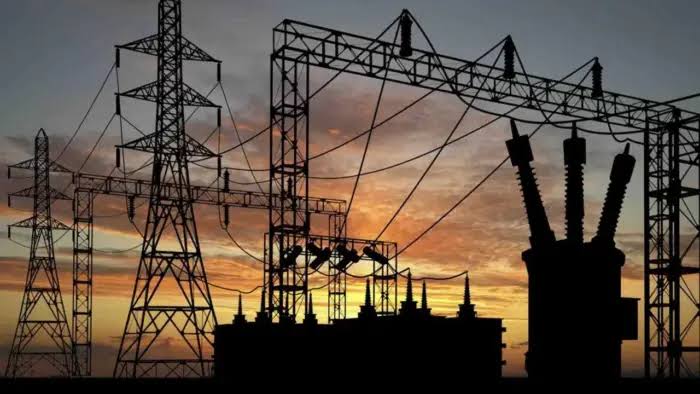
Nigeria’s national power grid has experienced its first system collapse of 2026, occurring on Friday, just weeks after a similar disruption on December 29, 2025, which plunged large parts of the country into darkness.
Power sector experts have consistently linked grid collapses to a mix of technical failures, poor maintenance of transmission infrastructure, and instability in electricity generation levels.
During Friday’s incident, electricity generation reportedly crashed dramatically from above 4,500 megawatts to about 24 megawatts as of 1:30 pm, underscoring the severity of the collapse.
Findings indicated that all 23 power generation plants connected to the national grid lost output at the same time, leading to zero power allocation to each of the country’s 11 electricity distribution companies.

As of the time this report was filed, the exact cause of the collapse had not been officially confirmed, with officials of the Transmission Company of Nigeria yet to release a detailed explanation of what triggered the system failure.
However, electricity consumers were informed that recovery efforts had begun. In a notice sent to customers, Abuja Electric stated that “gradual restoration of supply” has commenced.
What you should know
Nigeria’s power grid has suffered repeated collapses in recent years, reflecting deep structural challenges in the electricity sector.
These include aging transmission infrastructure, weak grid management, fluctuating generation levels, and limited investment in system upgrades. Each collapse often leads to nationwide blackouts, disrupting businesses, essential services and daily life.
While authorities usually announce restoration shortly after such incidents, experts warn that without sustained investment, improved maintenance, and stronger coordination between generation, transmission and distribution segments, grid failures may continue to recur.