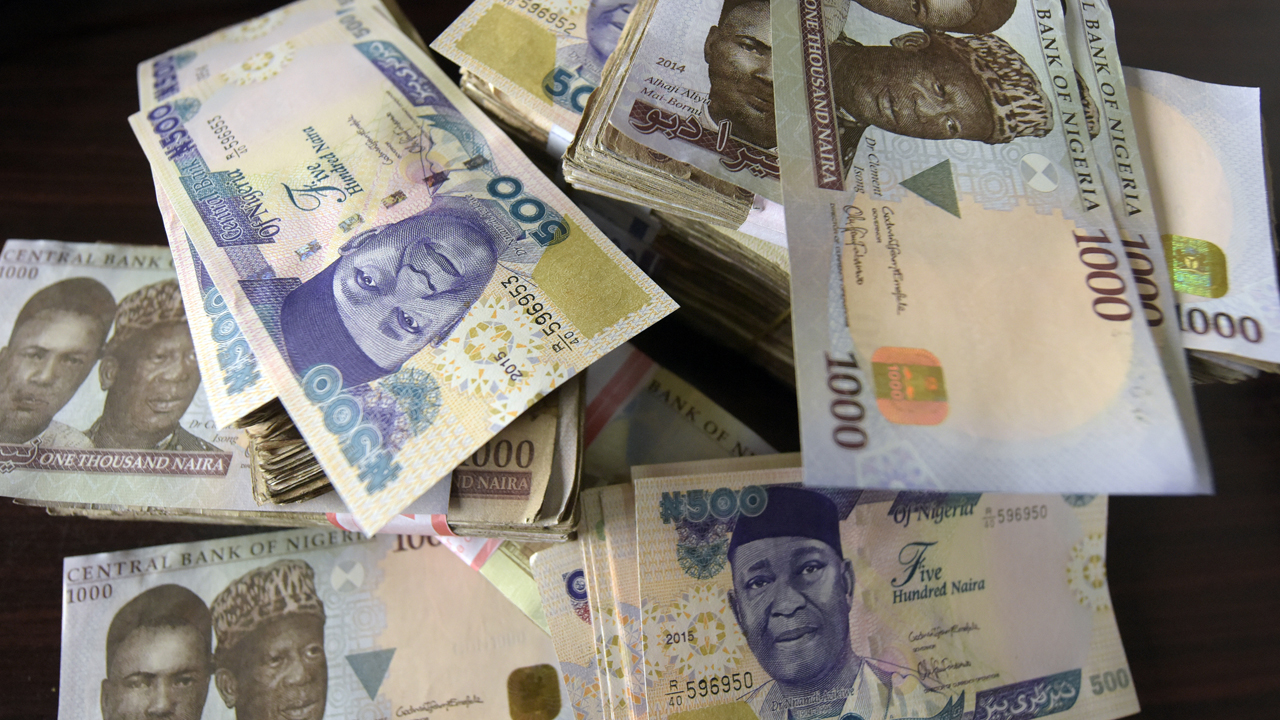
The Nigerian Naira experienced a turbulent week in early November, posting modest losses against the US dollar on the official market while exhibiting sharp swings in parallel trading, as Africa’s largest economy grapples with persistent foreign exchange demand pressures heading into year-end.
Naira Weakens Despite Central Bank Intervention
The local currency closed the week of November 7-10 at between N1,436 and N1,437 to the dollar on the Nigerian Foreign Exchange Market (NFEM), representing a depreciation of 1 to 1.4 percent from the N1,421-N1,422 range recorded at the start of the month. This decline occurred despite aggressive interventions by the Central Bank of Nigeria (CBN) and improved foreign exchange inflows into the system.
Market analysts attribute the official market weakness to unrelenting demand from two key sectors: importers preparing for year-end inventory buildups and fuel marketers securing dollars for petroleum product purchases. These structural demand pressures have consistently outpaced supply, even as the CBN works to stabilize the currency through its managed float regime.
Parallel Market Volatility Persists
The story in Nigeria’s ubiquitous parallel market—commonly known as the black market—proved more dramatic. After touching highs near N1,485 per dollar earlier in the period, the Naira subsequently appreciated to trade between N1,440 and N1,470 per dollar by November 8-10, reflecting the market’s characteristic volatility and fragmented nature.
The spread between official and parallel rates, long considered a barometer of market distortions and liquidity pressures, narrowed somewhat but remained significant at N10 to N30 per dollar. This persistent gap underscores the ongoing segmentation in Nigeria’s foreign exchange architecture and the continuing premium commanded by cash dollars in informal channels.
External Reserves Provide Cushion
Despite the week’s setbacks, monetary authorities can point to some bright spots. Nigeria’s external reserves have climbed to approximately $43 billion, providing a crucial buffer against speculative attacks and supporting the CBN’s intervention capacity. This reserve buildup, combined with the central bank’s controlled float mechanism, has contributed to relative stability compared to the severe volatility witnessed in previous months.
However, storm clouds loom on the horizon. Declining global oil prices pose a direct threat to Nigeria’s primary source of foreign exchange earnings, while broader global economic uncertainty adds another layer of complexity to the outlook.
Cautious Outlook for Coming Week
Currency market watchers are projecting continued stability with a mild depreciation bias for the current week. Forecasts suggest the official rate will trade between N1,435 and N1,450 per dollar, while the parallel market is expected to range from N1,455 to N1,480 per dollar.
The prognosis for November overall points to gradual weakening, with projections clustering around N1,444 to N1,479 per dollar and an average rate of approximately N1,444. Analysts caution that year-end import pressures—historically a period of elevated dollar demand—could exacerbate supply-demand imbalances despite the CBN’s best efforts.
There is, however, a potential silver lining: should global oil prices stabilize or Nigeria’s reserves continue their upward trajectory, markets could see the official rate strengthen back toward the N1,430 per dollar level.
US Dollar Softens on Domestic Uncertainties
Meanwhile, across the Atlantic, the US dollar is facing its own set of challenges. The US Dollar Index (DXY), which tracks the greenback’s performance against six major currencies, stood at 99.65 at recent publication, under pressure from a confluence of domestic economic and political factors.
Shutdown Drama Weighs on Sentiment
The ongoing federal government shutdown has emerged as a significant headwind for dollar bulls. While bipartisan negotiations show signs of progress—with Senate Majority Leader John Thune indicating positive momentum and the Senate holding a Sunday vote on a funding measure through January 30—the extended closure has rattled investor confidence in US governance and fiscal management.
Market observers, including analysts at Barclays, estimate a 60 percent probability that the shutdown will conclude between November 11 and November 21, which could restore some risk appetite and further pressure the safe-haven dollar.
Weak Economic Data Fuels Rate Cut Speculation
Adding to the dollar’s woes, recent economic indicators have disappointed. The University of Michigan’s Consumer Sentiment Index plummeted to 50.3 in November from a final October reading of 53.6—marking the lowest level since June 2022 and missing the market consensus of 53.2.
This deterioration in consumer confidence, coupled with weak private sector employment data, has amplified speculation that the Federal Reserve may be forced to cut interest rates sooner than previously anticipated. According to the CME FedWatch tool, Fed funds futures now price in a 67 percent probability of a 25-basis-point rate cut at the December Federal Open Market Committee meeting.
Fed in a Bind
The Federal Reserve finds itself navigating treacherous waters. While some officials, including Chicago Fed President Austan Goolsbee, have expressed caution about easing too aggressively given that inflation remains above the 2 percent target, market pressures for accommodation are mounting. The central bank has maintained rates at current levels even as other major central banks have implemented more substantial cuts, providing modest support for the dollar.
No major FOMC announcements are scheduled for the coming week, though Fed officials’ speeches could move markets in the absence of significant economic data releases.
Structural Concerns Mount
Looking beyond the immediate cyclical pressures, economists are raising red flags about longer-term structural issues. Experts warn that proposed tariff policies and mounting fiscal risks threaten to undermine what they call “US exceptionalism”—the dollar’s privileged position as the world’s premier reserve currency. Worsening budget deficits and the potential for protectionist trade policies could accelerate a global reallocation away from dollar-denominated assets.
While safe-haven flows could temporarily reverse recent dollar weakness in the event of a global risk-off episode, the trend toward diversification away from dollar dependence appears to be gaining momentum among international investors and central banks.
As both the Naira and the dollar navigate their respective challenges, the coming weeks will prove crucial in determining whether current trends represent temporary turbulence or the beginning of more fundamental shifts in global currency markets.
WHAT YOU SHOULD KNOW
Nigerian Naira weakened 1-1.4% to N1,436-N1,437/$ on the official market despite Central Bank interventions, driven by year-end import and fuel demand. With external reserves at $43 billion providing some cushion, expect continued mild depreciation toward N1,444/$ in November, though falling oil prices pose risks.