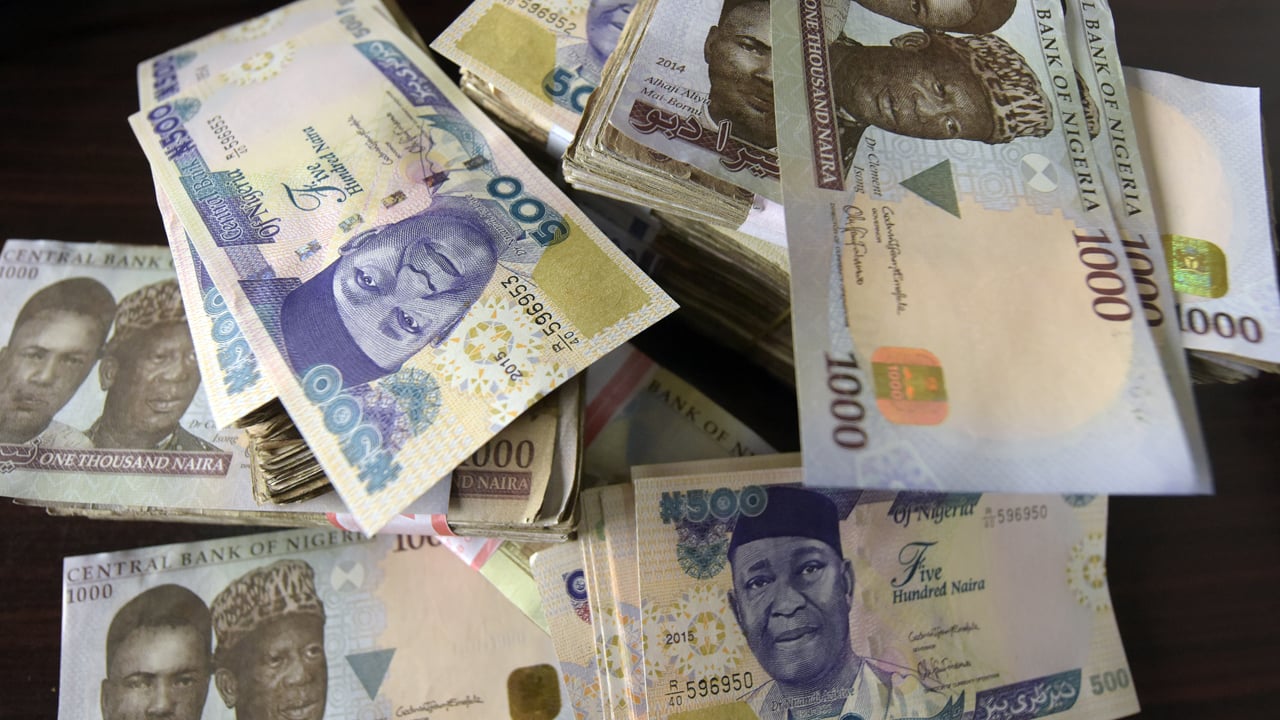
The Nigerian naira has demonstrated renewed vigor in the foreign exchange market, opening the week with gains that pushed the currency below the N1,460 threshold against the US dollar, offering a glimmer of hope for an economy that has grappled with currency volatility throughout much of the year.
Official data released by the Central Bank of Nigeria (CBN) on Monday revealed the naira trading at N1,456 to the dollar, marking an improvement from Friday’s closing rate of N1,466.50 and Thursday’s N1,462.90. The appreciation, while modest in absolute terms, represents a significant psychological victory for monetary authorities who have worked tirelessly to stabilize Africa’s largest economy.
A Week of Measured Progress
The currency’s trajectory over the past week tells a story of gradual recovery rather than dramatic intervention. From Thursday’s rate of N1,462.90, the naira has clawed back ground in what analysts describe as a “controlled appreciation”—a stark contrast to the sudden, unsustainable spikes that have characterized previous periods of currency adjustment.
When compared to the previous Monday’s closing rate of N1,454 per dollar, the week-on-week performance suggests that the naira has established a more stable footing, with the slight differential indicating resilience rather than a temporary bounce.
On the parallel market—where many Nigerians conduct their dollar transactions—the picture remains slightly different but equally encouraging. Currency dealers operating in the nation’s capital reported buy rates of N1,481 per dollar and sell rates of N1,489, representing a notable improvement from Friday’s N1,500 benchmark. This narrowing of the gap between official and parallel market rates has long been a policy objective for the CBN, as it reduces arbitrage opportunities and brings more transactions into the formal banking system.
Behind the Numbers: Policy and Seasonal Factors
Financial experts interviewed by this publication point to a confluence of factors underpinning the naira’s recent performance. Chief among these is the CBN’s sustained intervention strategy, which has seen the apex bank carefully managing foreign exchange supply while maintaining regulatory oversight of the market.
Benjamin Njoku, an Abuja-based financial analyst with over two decades of experience tracking Nigeria’s foreign exchange markets, emphasized the role of both policy actions and organic market forces. “The currency’s resilience below N1,500 per dollar reflects both policy support and increased forex inflows from trade and remittances,” he explained, noting that the final quarter of the year traditionally sees heightened dollar inflows as diaspora Nigerians send money home for the holiday season.
However, Ade Johnson, another market observer, cautioned against reading too much into short-term movements during this particular period. “Well, it’s December. So, the volatility at this time is pretty normal,” he noted, suggesting that seasonal factors may be playing an outsized role in current market dynamics.
The broader economic context provides additional perspective. Nigeria’s currency has faced sustained pressure from multiple fronts this year, including robust import demand, particularly for essential goods and raw materials; fluctuating global oil prices, which affect the country’s primary source of foreign exchange earnings; and structural imbalances in the economy that create persistent dollar demand.
Yet despite these headwinds, recent months have witnessed what economists describe as a “managed decline”—a controlled depreciation that, while allowing the currency to find its natural level, has avoided the panic and disorderly market conditions that can devastate business confidence and household purchasing power.
Implications for Stakeholders
For Nigeria’s business community and ordinary citizens alike, the stakes surrounding naira stability could hardly be higher. Import-dependent manufacturers require predictable exchange rates to plan production cycles and price their goods competitively. Exporters need stable currency conditions to honor contracts denominated in foreign currencies. And for average Nigerians, whose purchasing power has been eroded by inflation partly driven by currency depreciation, any respite in the naira’s decline offers welcome relief.
The relative stability observed in recent trading sessions provides precisely this kind of predictability. Businesses can now project costs with greater confidence, reducing the risk premium they must build into their operations. International partners and investors, perpetually wary of currency risk in emerging markets, may view the naira’s steadier performance as evidence of improving macroeconomic management.
Should this trend continue through the remainder of the year and into 2025, the positive effects could ripple through the economy. Enhanced market confidence typically translates into increased foreign direct investment, more robust trading activity, and improved sentiment among domestic economic actors. The currency’s stability could also provide the CBN with additional policy space to address other pressing economic challenges, from inflation management to credit availability.
Cautious Optimism Prevails
As Nigeria heads deeper into the holiday season and toward year-end, market participants are adopting a stance of cautious optimism. The naira’s performance in the coming weeks will be closely watched as a barometer of the CBN’s policy effectiveness and the underlying health of Nigeria’s external sector.
What remains clear is that Monday’s trading session offered a positive data point in what has been a challenging year for the currency. Whether this represents the beginning of a sustained period of stability or merely a seasonal reprieve will only become apparent as markets digest year-end flows and position themselves for 2025.
For now, at least, Nigeria’s monetary authorities can take some satisfaction in seeing their currency trade comfortably below the N1,500 mark—a threshold that, not long ago, seemed increasingly difficult to defend.
WHAT YOU SHOULD KNOW
The naira has strengthened to N1,456 per dollar, showing improved stability after recent volatility. This recovery is driven by Central Bank interventions and increased foreign exchange inflows, particularly seasonal remittances in December.
While experts urge caution given typical year-end fluctuations, the currency’s ability to hold below N1,500 provides much-needed predictability for businesses and consumers. If sustained, this stability could restore market confidence and support economic growth, though the real test will come in early 2025 when seasonal factors subside.