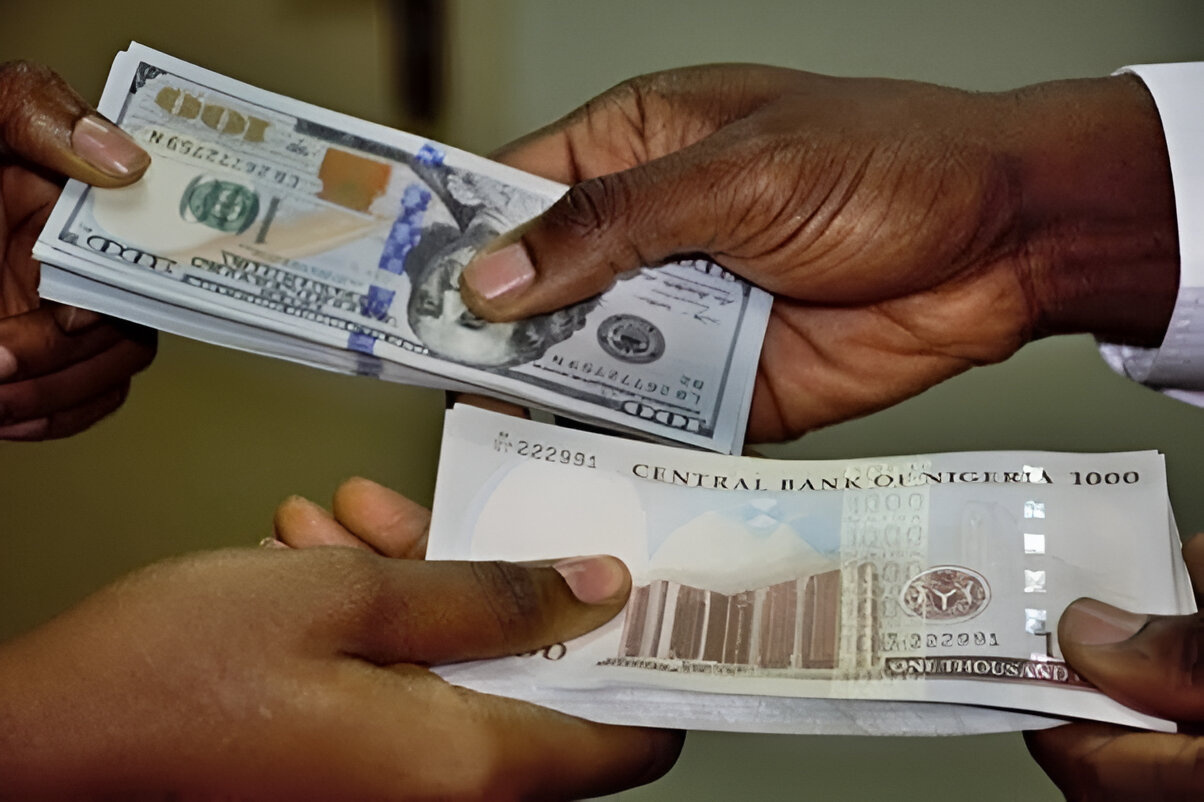
The naira opened trading on Tuesday at 1,398.24 per U.S. dollar in the Nigerian Foreign Exchange Market (NFEM), according to data from authorized dealers and market trackers.
This opening rate, while reflecting ongoing pressures from global economic dynamics, quickly demonstrated the currency’s underlying strength as it navigated early-session volatility.
The day began with rates briefly climbing to a high of 1,398.82 per dollar, a modest uptick attributed to initial demand surges typical of Tuesday mornings when traders position themselves for the week’s activities.
However, by mid-morning, the Naira had appreciated to 1,396.24 per dollar, buoyed by a steady influx of supply from the Central Bank of Nigeria (CBN) and licensed dealers. This rebound underscores the effectiveness of recent policy measures aimed at smoothing out market fluctuations and fostering a more predictable trading environment.
Authorized dealers highlighted the CBN’s proactive stance in upholding the “willing-buyer-willing-seller” framework, which has been instrumental in curbing the speculative spikes that have long disrupted the NFEM. “The apex bank’s interventions are not just reactive; they’re strategic, ensuring liquidity without distorting market signals,” one dealer told this reporter.
This model, which emphasizes voluntary transactions at market-determined rates, has helped maintain order and deter opportunistic traders from inflating premiums during peak hours.
Market analysts attribute this sustained convergence between official and parallel rates to the CBN’s consistent foreign exchange allocations to Bureau De Change (BDC) operators. By decentralizing access to dollars, the policy has diminished reliance on the informal sector, where high-premium deals once thrived amid scarcity. “We’re seeing a ripple effect,” explained Dr. Aisha Bello, a senior economist at Lagos-based think tank Economic Insights Africa. “With BDCs empowered to serve retail demand, the urgency for black-market transactions has waned, leading to tighter spreads and greater overall efficiency in the FX ecosystem.”
This positive momentum in the NFEM is not occurring in isolation but is supported by a confluence of macroeconomic factors that have fortified Nigeria’s economic defenses. Notably, the country’s gross foreign reserves have recently crossed the $50 billion threshold—a milestone not seen in over a decade.
This robust buffer provides a critical shield against external shocks, such as fluctuations in global commodity prices or geopolitical tensions, allowing the CBN more leeway in managing currency flows without depleting strategic holdings.
Adding to the optimism, headline inflation has eased to 15.10% in the most recent data from the National Bureau of Statistics, marking a significant decline from previous highs. This cooling of price pressures has enhanced the naira’s real value, making it more appealing to investors who prioritize stability over short-term yields. “Lower inflation translates to preserved purchasing power, which in turn attracts both domestic savers and foreign portfolio inflows,” Bello added.
Nigeria’s oil sector, the lifeblood of its export earnings, continues to perform reliably, with crude production holding steady at 1.46 million barrels per day. This output level, maintained despite occasional disruptions in the Niger Delta, ensures a consistent stream of petrodollars into the economy—a vital underpinning for NFEM liquidity. As Africa’s largest oil producer, Nigeria’s ability to sustain these volumes amid OPEC+ quotas has been a key stabilizer, especially with Brent crude prices hovering around favorable levels.
The broader monetary policy environment has also shifted in favor of stability. Late last month, the CBN’s Monetary Policy Committee implemented a 50-basis-point reduction in the Monetary Policy Rate (MPR), bringing it down to 26.5%. This cut, the first in a series of easing measures, signals a transition from aggressive tightening to a more accommodative stance, aimed at stimulating growth while keeping inflation in check.
Analysts project that this phase will encourage long-term capital inflows, particularly from international investors eyeing opportunities in Nigeria’s burgeoning tech, agriculture, and infrastructure sectors.
While challenges persist—including lingering effects of global interest rate hikes and domestic fiscal pressures—the current trajectory suggests the naira is on a path toward sustained appreciation.
WHAT YOU SHOULD KNOW
The naira is showing clear signs of stabilization and resilience in the NFEM, closing mid-morning at 1,396.24 per dollar after early volatility.
The Central Bank of Nigeria’s consistent and proactive supply of dollars—especially to BDC operators—combined with the “willing-buyer-willing-seller” model, has effectively curbed speculative spikes, narrowed the gap between official and parallel rates, and restored greater confidence in the market.
Supported by $50bn+ reserves, falling inflation, steady oil output, and the recent MPR cut, these deliberate FX interventions remain the cornerstone of the Naira’s current strength.