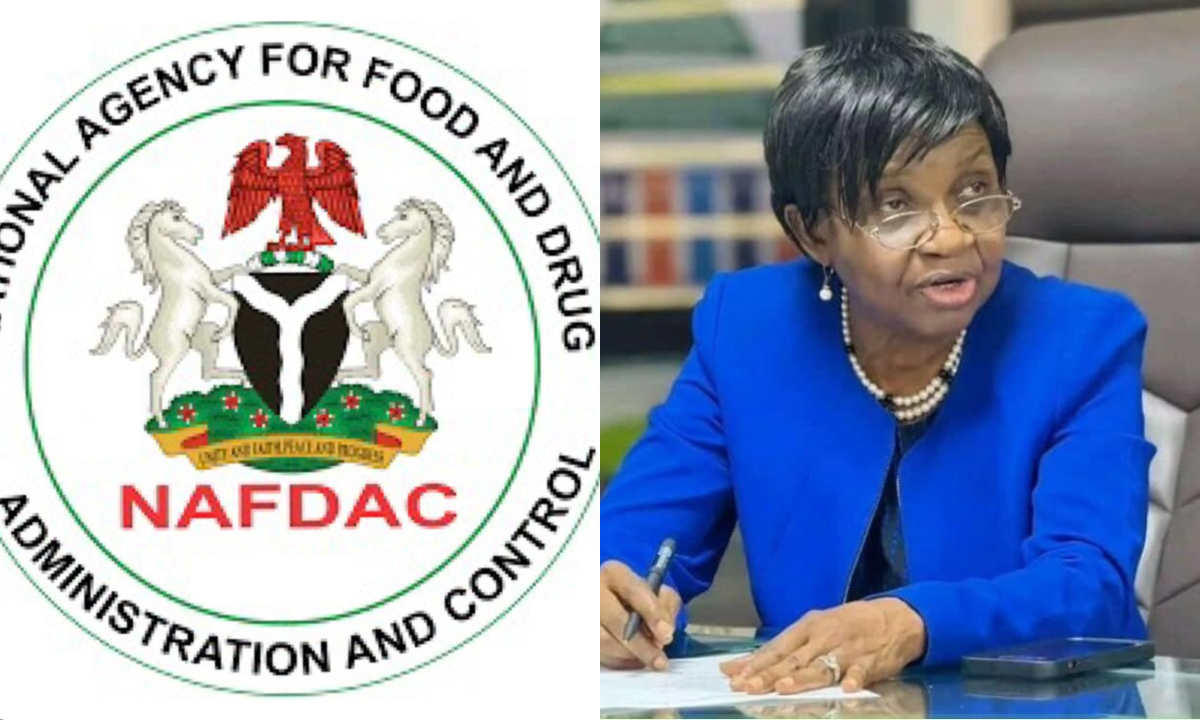
The National Agency for Food and Drug Administration and Control has confiscated more than 10 million doses of falsified malaria medicines and cosmetic products estimated to be worth about ₦3 billion at the Trade Fair Market in Lagos.
The agency’s Director of Investigation and Enforcement, Dr. Martins Iluyomade, disclosed this on Monday during a briefing at NAFDAC’s Apapa office, explaining that the enforcement action was triggered by credible intelligence received on February 3.
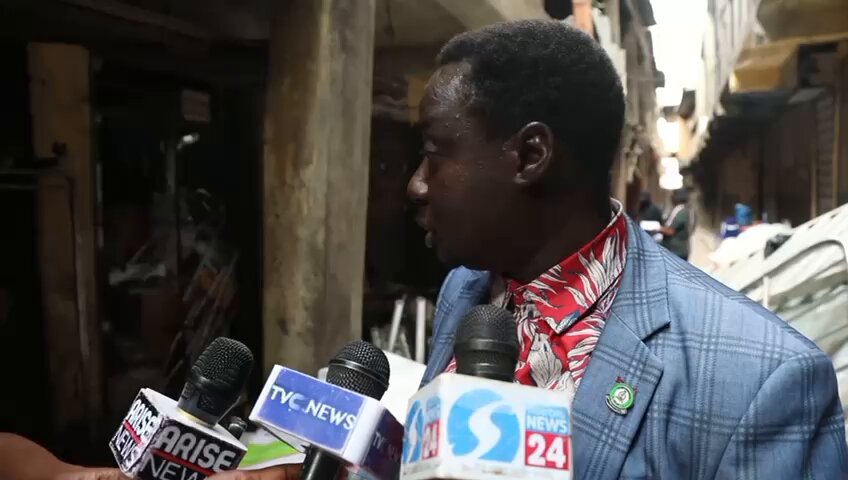
Iluyomade said the seized items comprised a wide range of counterfeit products, including anti-malarial drugs, injections for cerebral malaria, antibiotics, postinor and anagin products, some of which have been prohibited in Nigeria for almost 15 years. He revealed that the products were concealed in a three-storey building that had been presented as a spare parts warehouse.
According to him, eight truckloads of fake drugs and cosmetics were evacuated during the raid, while four suspects were arrested in connection with the illegal operation. Although investigations are still ongoing, Iluyomade described the seizure as one of the agency’s most significant enforcement successes in recent times.
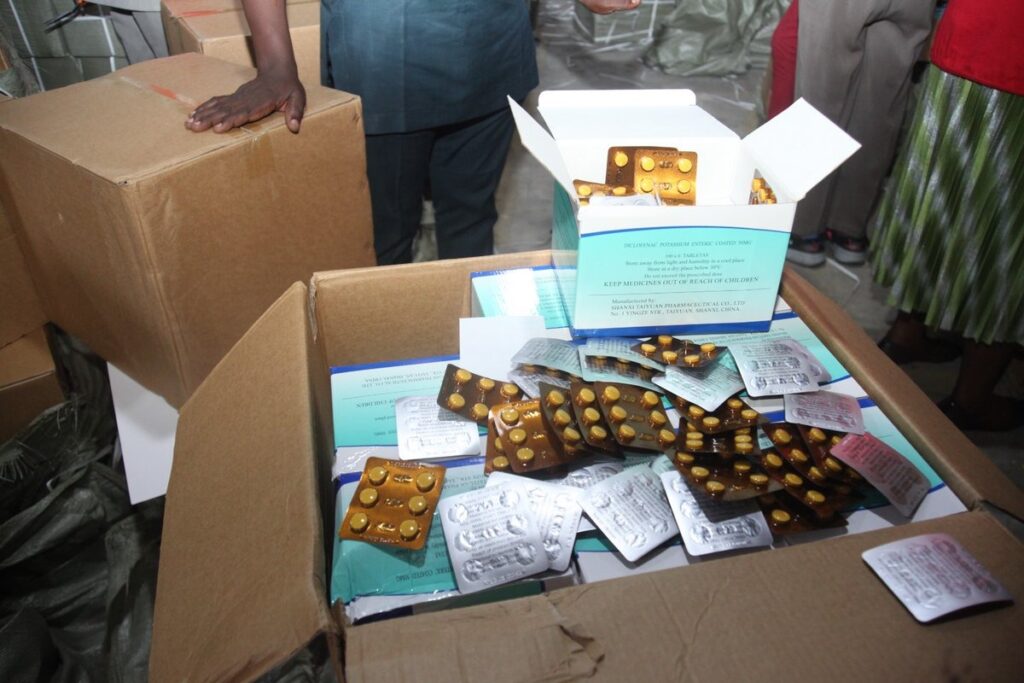
He warned that if the counterfeit products had found their way into circulation, they could have posed a serious health risk to as many as three million Nigerians.
Iluyomade reiterated that under the leadership of NAFDAC’s Director-General, Prof. Mojisola Adeyeye, the agency remains resolute in its determination to rid the country of counterfeit and substandard regulated products.
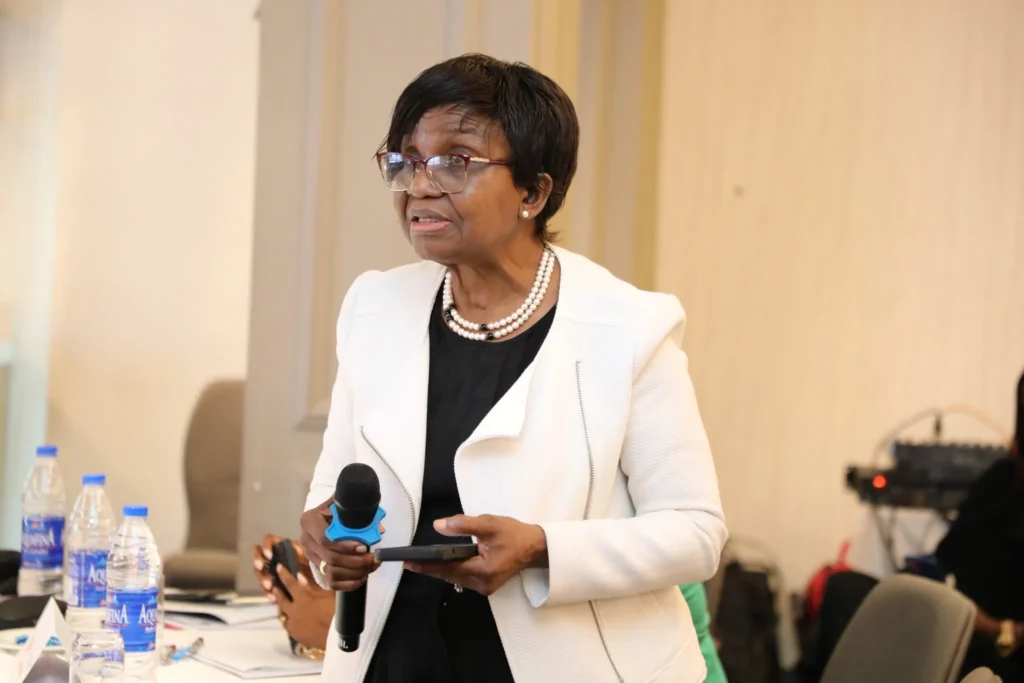
He also cautioned drug distributors to ensure that all products are sourced strictly from manufacturers accredited by NAFDAC, while urging members of the public to promptly report any suspicious drug-related activities to the nearest NAFDAC office.
What you should know
Counterfeit and substandard medicines remain a major public health challenge in Nigeria, contributing to treatment failure, drug resistance, and avoidable deaths.
NAFDAC has intensified intelligence-led operations in recent years to disrupt supply chains used by criminal networks to distribute fake drugs.
Large seizures, such as the Lagos Trade Fair Market raid, highlight the scale of the problem and the risks posed to millions of Nigerians if such products reach pharmacies and open markets.