Biography and Early Life
John Ikechukwu Okafor, affectionately known worldwide as Mr. Ibu, was born on October 17, 1961, in Umunekwu village, Nkanu West Local Government Area of Enugu State, Nigeria. He was the eldest of eight children born into a humble family in Nigeria’s former Eastern Region. Growing up in rural Igboland during Nigeria’s post-civil war period, young John experienced poverty and hardship that would shape his character, resilience, and later, his comedic perspective on life’s struggles.
Tragedy struck early in John’s life when six members of his family died from poisoning in separate incidents, a devastating series of losses that exposed him to death and grief from childhood. This early confrontation with mortality may have influenced his later philosophy of using humor to navigate life’s difficulties and bring laughter to others despite his own personal pain.
The Struggle Years: Education and Survival
Father’s Death and Migration (1974)
In 1974, when John was just 13 years old, his father passed away, fundamentally altering his life trajectory. Unable to afford living in their village, John moved to Sapele in Delta State to live with his brother. This migration marked the beginning of years of struggle that would test his determination and resilience.
Working to Survive
In Sapele, John took on numerous menial jobs to support himself and contribute to his family:
Hairstylist: Learned and practiced hairdressing, developing skills that provided a modest income
Photographer: Ventured into photography, capturing moments for clients despite limited equipment
Crate Production Worker: Worked in a company manufacturing crates, performing hard manual labor
Waiter: Waited tables at restaurants to earn money
Security Guard: Worked as a security guard, spending long hours protecting properties
These diverse experiences gave John intimate knowledge of Nigerian working-class life, knowledge that would later inform his comedic portrayals of ordinary Nigerians struggling with everyday challenges.
Educational Journey
Secondary Education: Despite financial hardships, John managed to complete his secondary school education through a combination of work and study.
College of Education, Yola: After secondary school, John gained admission to the College of Education in Yola, Adamawa State. However, financial difficulties forced him to withdraw from the program without completing it, a painful setback for someone who valued education.
Institute of Management and Technology (IMT), Enugu: Years later, once financially stable enough, John enrolled at IMT Enugu, where he finally completed his tertiary education. This achievement represented triumph over adversity and fulfilled a long-delayed dream.
Entry into Nollywood (1998)
Behind the Scenes Beginnings (1973)
John’s first contact with the Nigerian film industry came surprisingly early, in 1973, he worked as a camera crew member, handling equipment and learning the technical aspects of filmmaking. This behind-the-scenes experience gave him valuable industry knowledge but left him yearning to perform rather than just facilitate others’ performances.
The Long Wait for Recognition (1998-2003)
In 1998, John officially entered Nollywood as an actor, eager to showcase his talent and comedic abilities. However, success did not come immediately:
Rejection and Frustration: Producers were reluctant to cast him in significant roles, skeptical of his ability to carry major productions. For years, he received only minor, forgettable parts that failed to showcase his comedic genius.
Financial Struggles: Unable to earn a substantial income from acting, John continued working side jobs while pursuing his dream.
Persistence: Despite repeated rejections and financial hardships, John refused to abandon his passion for acting and comedy.
This six-year struggle period (1998-2004) tested John’s resolve but ultimately prepared him for the breakthrough that would change everything.
“Mr. Ibu” (2004): The Breakthrough
The Role That Changed Everything
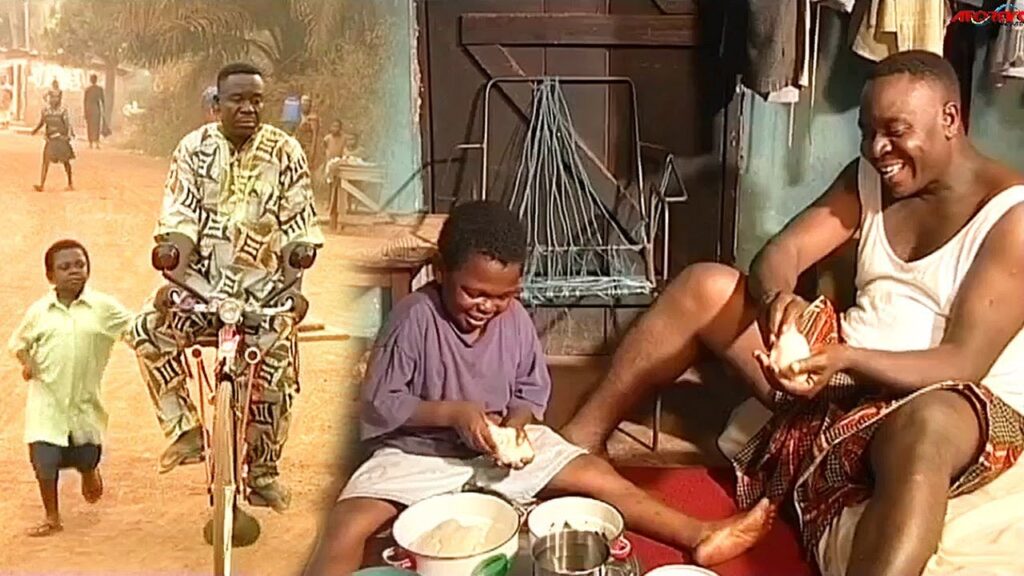
In 2004, John landed the role that would define his career and give him his stage name: Mr. Ibu. The film told the story of a simple, somewhat foolish father dealing with his mischievous son, played by Osita Iheme (Paw Paw). The chemistry between the two actors was electric, and John’s comedic timing and facial expressions were revelatory.
Character Analysis: Mr. Ibu was portrayed as an ordinary Nigerian man, not particularly educated or sophisticated, who found himself in absurd situations that highlighted the everyday struggles and contradictions of Nigerian life. John’s genius lay in making this character simultaneously foolish and endearing, ridiculous yet relatable.
The Face: John’s expressive face, particularly his ability to look confused, shocked, or dismayed, became his trademark. He could convey entire emotional journeys through facial expressions alone, making even mundane situations hilariously funny.
The Walk: Mr. Ibu’s distinctive walk, a slightly awkward, shuffling gait, became instantly recognizable and frequently imitated across Nigeria.
Instant Success
“Mr. Ibu” became a blockbuster hit, catapulting John from obscurity to nationwide fame virtually overnight. The film’s success spawned immediate sequels and established “Mr. Ibu” as a franchise and cultural phenomenon.
From this point forward, John Okafor would be known primarily as “Mr. Ibu”; his character had eclipsed his real name in public consciousness, a testament to the role’s impact.
The Mr. Ibu Franchise and Nollywood Dominance
The Series Expands
Following the original’s success, the Mr. Ibu franchise expanded rapidly:
“Mr. Ibu 2” (2005), “Mr. Ibu in London” (2005) – Taking the character international, “Mr. Ibu and His Son”, “Ibu in Prison” (2006), “Ibu in Sierra Leone” (2013)
Each installment maintained the core formula: place Mr. Ibu in increasingly absurd situations and let John’s comedic genius navigate the chaos.
Prolific Career: 200+ Films
Over his career spanning three decades, John appeared in over 200 Nollywood films, including:
“Police Recruit” (2003) – Before his Mr. Ibu breakthrough. “9 Wives” (2005) – Comedy about polygamy, “Keziah” (2007), “Coffin Producers” – Dark comedy, “Husband Suppliers”, “International Players”, “Bafana Bafana” (2007)
John’s filmography represents a comprehensive chronicle of Nollywood’s comedy evolution from the early 2000s through the 2020s.
Collaborations with Nollywood Legends
Throughout his career, John worked with Nollywood’s biggest stars:
- Osita Iheme (Paw Paw) – His most frequent collaborator
- Chinedu Ikedieze (Aki) – Another comedic partnership.
- Mercy Johnson – Multiple films together.
- Pete Edochie – Veteran actor
- Patience Ozokwor (Mama G) – Comedy legend
John Okafor collaborated with virtually every major Nollywood figure
These collaborations enriched Nigerian cinema and created comedy classics that remain beloved today.
“Nigeria’s Borat”: International Recognition

John earned the nickname “Nigeria’s Borat”, a reference to Sacha Baron Cohen’s character, for his ability to embody absurdity, create uncomfortable yet hilarious situations, and use comedy to expose societal contradictions. Like Borat, Mr. Ibu was simultaneously innocent and outrageous, making audiences laugh while subtly critiquing social norms.
Brief Music Career (2020)
Unexpected Musical Venture
On October 15, 2020, at age 58, John surprised fans by releasing two songs:
“This Girl”: His debut single “Do You Know”: Follow-up release
While his music career was brief and never approached his acting success, it demonstrated John’s willingness to experiment and his belief that creativity shouldn’t be limited by age or established identity.
The Mr. Ibu Foundation
Beyond entertainment, John established the Mr. Ibu Foundation, a non-profit organization dedicated to:
Educational Support: Providing scholarships and educational resources to underprivileged youth. Vocational Training: Offering skills development programs. Community Development: Supporting rural communities similar to where he grew up
The foundation reflected John’s commitment to helping others escape poverty through education and skills, the same path that had enabled his own success.
Personal Life
Marriages and Family
John was married twice during his lifetime. His second wife, Stella Maris Okafor, remained with him until his death, bearing three children:
Emmanuel Mandela Okafor (Tragically passed away on January 25, 2012, a devastating loss for the family), Chelsea Okafor, Jay Jay Okafor
John had over 10 children from both marriages, making him a father to a large family that he supported through his entertainment career.
The Theft Scandal (January 2024)
In a shocking family betrayal, John’s son Daniel and adopted daughter Jasmine were arrested in January 2024 for:
Hacking John’s phone, Stealing $60,700 from his accounts
This incident occurred while John was battling serious health issues, adding emotional pain to physical suffering. The betrayal by children he had raised and supported deeply hurt John and complicated his final months.
Health Crisis and Tragic Final Year (2023-2024)

The Illness Emerges (October 2023)
In October 2023, John publicly disclosed he was battling a serious illness, an arterial infection affecting his legs that had gone undiagnosed for too long. He shared videos from his hospital bed, appealing to fans and the public for:
Prayers: Asking Nigerians to keep him in their prayers. Financial Assistance: Medical bills were overwhelming, and he needed help covering costs
The appeals revealed the harsh reality many Nigerian entertainers face: despite decades of success and bringing joy to millions, inadequate healthcare systems and financial planning left him vulnerable in crisis.
Abubakar Bukola Saraki Foundation Intervention
On October 18, 2023, the Abubakar Bukola Saraki Foundation (established by Nigeria’s former Senate President) announced it had:
Paid off John’s entire medical expenses accumulated to that point. Committed to continued support for his treatment. Facilitated plans for overseas treatment
This intervention provided temporary relief, but John’s condition continued deteriorating.
Seven Surgeries and Leg Amputation (November 2023)
John’s condition required seven surgical procedures attempting to save his leg and control the arterial infection. Despite these efforts, in November 2023, doctors made the heartbreaking decision to amputate one of his legs.
His family released a statement explaining: “The amputation became necessary because of an infection of the arteries at the ankle that was not detected early enough. The amputation was done to keep him alive and increase his chances of recovery.”
John accepted this devastating loss with characteristic resilience, focusing on survival and hoping to return to what he loved: making people laugh.
Plans for Overseas Treatment
There were plans to transport John abroad for advanced medical treatment. However, doctors determined he was not fit to fly, forcing the postponement and ultimately abandonment of these plans as his condition worsened.
Cardiac Arrest and Death (March 2, 2024)
On March 2, 2024, at Evercare Hospital in Lagos, John Ikechukwu Okafor suffered cardiac arrest. Despite medical efforts to resuscitate him, he passed away at age 62.
Emeka Rollas, President of the Actors Guild of Nigeria, announced: “Sad day for the Actors Guild of Nigeria… Mr Ibu suffered cardiac arrest, according to his manager of 24 years, Don Nwuzor. I announce with a deep sense of grief that Mr Ibu did not make it. May his soul rest in peace.”
Burial (June 28, 2024)
John’s family announced his burial date as June 28, 2024, in his hometown of Amuri, Nkanu West Local Government Area, Enugu State, returning him to the soil from which he came, completing the circle of his extraordinary life.
Tributes and National Mourning
John’s death sparked an outpouring of grief across Nigeria and the African diaspora:
Mercy Johnson-Okojie (actress): “It is well…rest well, sir.”
Peter Okoye (P-Square): “Rest well, Mr Ibu. We will definitely miss you, brother.”
Kate Henshaw and other Nollywood stars shared tributes celebrating his life, talent, and the joy he brought to millions.
Social media is filled with clips of Mr. Ibu’s funniest moments, reminding Nigerians of the laughter he provided during difficult times.
Controversial Statements: Homosexuality Comments (2012)
In 2012, John made controversial headlines when he called for an end to homosexuality in Nollywood, describing it as “akin to a virus” and saying: “If there is any way in this world that people can make them stop it or kill it, please do it.”
These comments, reflective of widespread homophobia in Nigerian society, drew criticism from LGBTQ+ advocates and highlighted tensions between traditional values and human rights. While John later didn’t publicly recant these statements, they represent a troubling aspect of his legacy alongside his comedic achievements.
Net Worth and Financial Success
At his death, John’s estimated net worth was $4.2-4.5 million, making him one of Nollywood’s wealthiest comic actors. This wealth was accumulated through:
- Film fees from 200+ movies
- Endorsement deals
- Personal appearances
- Business ventures
However, his health crisis and need for public financial appeals demonstrated that even substantial wealth can be quickly depleted by serious illness in Nigeria’s challenging healthcare environment.
Legacy and Impact
Comedy Pioneer
John revolutionized Nigerian comedy through:
Physical Comedy: Master of facial expressions, body language, and slapstick that transcended language barriers
Everyman Character: Mr. Ibu represented ordinary Nigerians, making comedy accessible and relatable
Consistent Quality: Maintained high comedic standards across 200+ films over three decades
Mentorship: Inspired and worked with younger comedic actors, passing on skills and opportunities
Cultural Impact
Catchphrases: Mr. Ibu’s mannerisms, walk, and expressions entered the Nigerian pop culture lexicon
Family Entertainment: Created comedy that entire families could enjoy together
Stress Relief: Provided laughter during Nigeria’s challenging political and economic periods
National Treasure: Became beloved across ethnic, religious, and class divides, truly a national figure
Industry Contribution
Box Office Success: His films were commercially successful, helping sustain Nollywood’s growth
International Recognition: Put Nigerian comedy on the international map with “Nigeria’s Borat” designation
Professionalism: Known for punctuality, preparedness, and dedication to craft
Longevity: Career spanning 1998-2024 demonstrated staying power in a fast-changing industry
Reflections on His Life and Career
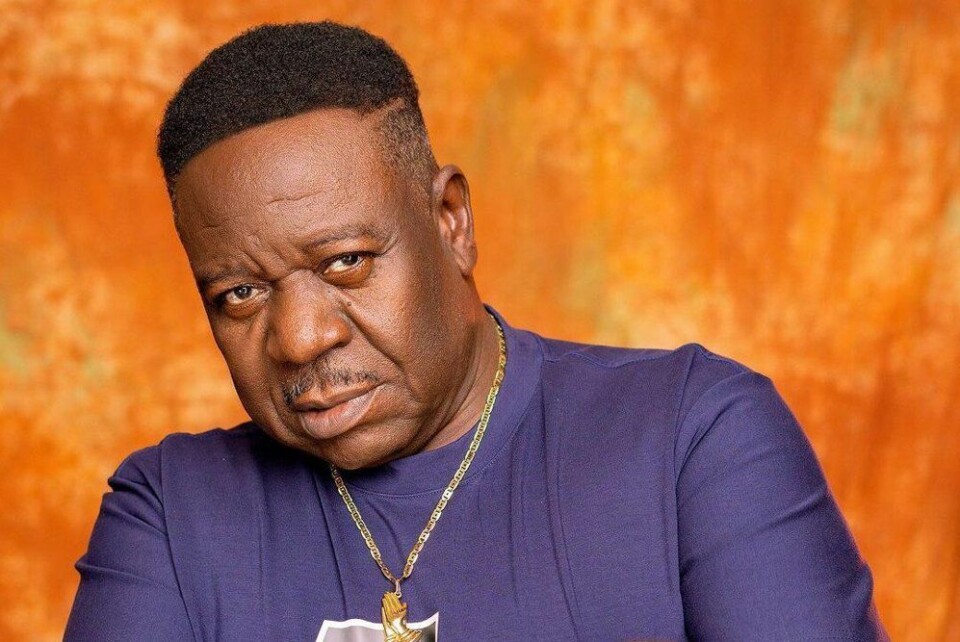
John Okafor’s journey from an impoverished orphan working menial jobs to a beloved national treasure, making millions laugh, represents the Nigerian dream realized. His story embodies several profound truths:
Resilience: Survived family tragedies, poverty, years of rejection, and maintained determination
Talent: Possessed natural comedic genius that needed only opportunity to shine
Perseverance: Waited six years for his breakthrough, refusing to abandon his dream
Generosity: Established a foundation to help others despite his own struggles
Vulnerability: Publicly sought help when ill, showing that even celebrities face mortality
His final year, marked by health crisis, family betrayal, amputation, and ultimately death, adds a tragic dimension to an otherwise triumphant narrative. Yet even in suffering, John maintained the grace and humanity that made him beloved.
John Ikechukwu Okafor, Mr. Ibu, made Nigeria laugh for three decades. From Umunekwu village to Nollywood legend, from menial jobs to millionaire status, from rejection to national treasure, his journey inspired millions. His face, that expressive, hilarious face, became synonymous with joy across Africa. His character, Mr. Ibu, transcended cinema to become a cultural icon representing ordinary Nigerians navigating absurd situations with humor and humanity. Though cardiac arrest silenced his laughter on March 2, 2024, his legacy lives in 200+ films, countless viral clips, and the millions of smiles he created. Rest in peace, Mr. Ibu. Thank you for the laughter. Thank you for showing us that humor can triumph over hardship, that perseverance pays, and that making others happy is among life’s noblest callings. Nigeria mourns, but Nigeria also smiles, remembering you.