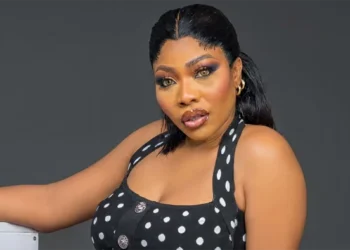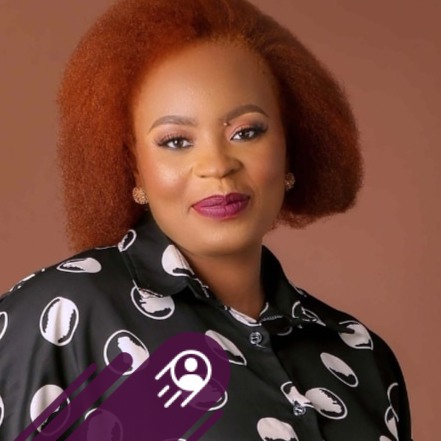
Nigerian actress Maureen Solomon has ignited a conversation about celebrity responsibility and social media influence after publicly criticizing fellow Nollywood stars for sharing their Brazilian Butt Lift (BBL) recovery videos online.
In a lengthy video statement posted to her Instagram account on Saturday, October 25, Solomon criticized what she described as the “casual approach” her colleagues have adopted toward documenting their cosmetic enhancement journeys on social platforms—a trend she believes sends damaging messages to young, impressionable followers.
The actress was careful to clarify that her objection isn’t to cosmetic procedures themselves. “I don’t have anything against BBL. I’ve never had anything against surgical enhancement. I believe it’s your body. Do whatever you wish with your body,” Solomon stated emphatically in the video.
However, she drew a firm line at the public documentation of these procedures. “Where I have a problem with it is televising it, putting it on social media, your recovery, making certain comments,” she explained. “As an adult, it’s OK, but because we have a younger generation looking up to us, there are things we should be mindful of.”
Solomon referenced a specific video featuring two unnamed colleagues—whom she insisted she loves and respects—that prompted her public statement. While praising their physical results, “Their bodies are banging. I’m all for it,” she expressed deep concern about the platform they chose to share their experience.
“I have a problem when you post it on social media because we all have girls that are growing up—daughters, nieces, and cousins looking up to us,” she said, highlighting the reach and influence these celebrities wield.
The actress took particular issue with content that appears to glamorize cosmetic surgery, referencing remarks about how “December is going to be kpo kpor” and comments about transforming one’s body for the festive season—language that, in Nigerian parlance, suggests showing off enhanced physical features.
At the heart of Solomon’s message is a broader question about celebrity accountability in the digital age. “For crying out loud, those of us who are influencers, you have millions, thousands of younger ones looking up to you, copying what you do,” she argued. “It’s not what you say that they do. It’s actually what you do that they copy.”
Her concerns center on the message being internalized by young girls who are still developing their self-image and understanding of beauty standards. “We have children that we are training to believe that they are wonderfully made, grooming to have self-confidence in themselves, in who they are, and how they look,” Solomon emphasized.
She painted a troubling picture of young followers potentially scrimping and saving money to undergo procedures they see normalized by their role models. “Do you know how many young girls will be saving up money to go and get one?” she asked rhetorically.
Solomon acknowledged that some celebrities post about their procedures to avoid being “called out” or becoming subjects of speculation. “I get that people put the video out there so they won’t come for them. I get that part, but there are other ways you can do that,” she conceded.
However, she argued that the current approach risks teaching “a different kind of confidence that is not what it is supposed to be”—one rooted in purchased physical alterations rather than self-acceptance.
The actress also raised concerns about the long-term societal implications, suggesting that young men exposed to such content might develop unrealistic expectations. “We have boys looking up to you, so tomorrow, if they want to marry, they will take the girl to the hospital to go and do it. What is it, nahhh?” she said, expressing frustration at the potential normalization of cosmetic surgery as a relationship prerequisite.
In closing her statement, Solomon reminded her colleagues of the lasting nature of social media posts. “When you do a video to post on social media, please go over it again. Whatever you put on social media won’t go away,” she warned.
The actress’s comments come amid a broader conversation in Nigeria and across Africa about the rising popularity of cosmetic procedures, particularly BBLs, and the role of celebrities and influencers in shaping beauty standards among younger generations.
As of press time, none of the colleagues Solomon may have been referencing has responded publicly to her statements. The video has sparked significant conversation online, with commentators divided between those praising Solomon for addressing an important issue and others defending celebrities’ rights to share their personal journeys openly.
WHAT YOU SHOULD KNOW
Nollywood actress Maureen Solomon is urging her colleagues to stop posting BBL recovery videos on social media, not because she opposes cosmetic surgery, but because of the harmful influence it has on young followers.
Her central message: celebrities with large platforms have a responsibility to consider how their content shapes the self-esteem and beauty standards of impressionable girls and boys who look up to them.
Solomon argues that publicly glamorizing body enhancements teaches young people to seek confidence through purchased physical alterations rather than self-acceptance—and warns that social media content is permanent and far-reaching.