Makoko and other waterfront communities in Lagos have existed for decades, forming some of the oldest informal settlements in the city.
For many families in Makoko, fishing, small trading, and daily labor are the only means of survival. Homes are often built on stilts over the lagoon, connected by narrow wooden walkways. Despite these difficult living conditions, generations of families have carved out a life here.
Schools, local markets, and small businesses have developed within the community, creating a social structure that is both vibrant and fragile. Life in Makoko is not easy. Residents often have limited access to electricity, clean water, healthcare, and other basic services.
Yet, this is their home. For many, there is no other place to go. The people here have learned to adapt, creating livelihoods and supporting each other in ways that the government has rarely stepped in to facilitate.
The Demolition and Its Consequences
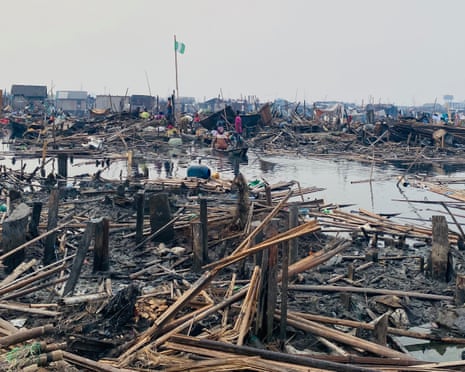
Recently, the Lagos State Government carried out another round of demolitions in Makoko, Oworonshoki, Owode Onirin, and other nearby communities. The government claimed the demolitions are necessary for safety reasons and urban planning, citing buildings under power lines and unstable structures.
Officials have also said they engaged residents over time. Residents, however, tell a different story. They said notices were short or not given at all, bulldozers destroyed homes beyond agreed limits, and no concrete plan was provided for relocation or compensation.
Schools, clinics, and small businesses were also affected, leaving communities without basic services. The immediate consequences have been devastating. Tens of thousands of people are now without shelter.
Children have been forced out of school, families sleep on open ground or on boats, and livelihoods built over years have been wiped out. For residents, this is more than losing property, it is the loss of stability, security, and dignity.
The Protest And Tension With Authorities
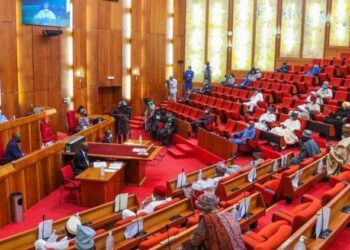
Anger and frustration led residents from Makoko, Oworonshoki, Owode Onirin, and other affected areas to march to the Lagos State House of Assembly. They demanded justice, proper relocation plans, and support from the government. The protest, initially peaceful, turned tense when police used tear gas to disperse the crowd. Both protesters and journalists were affected, with reports of panic and minor injuries.
The Lagos State Police Commissioner later denied that officers fired guns, saying tear gas was used only to maintain order. While no lives were reportedly lost during this protest, the images of people running from tear gas, families clinging to each other, and children exposed to danger spread quickly on social media, drawing widespread attention and criticism from human rights groups and civil society.
The Human Cost
The demolitions have left a lasting impact on the people. Homes are gone, livelihoods destroyed, and the emotional and psychological toll is enormous. Many residents now face uncertainty about their future. Without compensation or support, families may struggle to rebuild.
The loss of schools, markets, and basic services disrupts the daily rhythm of life and affects children’s education and health. Repeated demolitions without adequate compensation push communities deeper into poverty.
Families are forced into precarious situations, sometimes with no choice but to rely on informal work, borrowing, or unsafe living conditions. The lack of security and basic needs can lead to desperation, increasing the risk of crime, social unrest, and other unsafe practices as people struggle to survive.
Political And Social Implications
The Makoko demolitions highlight a wider problem. It is not only about unsafe buildings or urban planning; it is about how government policies affect the most vulnerable citizens. When people feel ignored or powerless, protests become inevitable.
The response of authorities, including the use of tear gas, even when non-lethal, can further erode trust between citizens and the government. This situation raises serious questions about democracy, governance, and human rights. How can a government pursue urban development while protecting citizens’ lives, homes, and livelihoods?
How can the poor trust that their voices will be heard if demolitions continue without meaningful consultation, relocation, or compensation?
What You Should Know
Makoko and similar communities depend on fishing, small trading, and daily labor to survive. Repeated demolitions often happen with little or no warning or compensation. Families affected face immediate poverty, loss of education for their children, and emotional trauma. Protests arise because residents feel ignored and abandoned.
The police response, even without gunfire, affects public trust and heightens tension. If these issues continue unaddressed, crime and insecurity in these areas may rise, and communities may struggle to recover, leaving people in uncertainty and fear. The story of Makoko is not only about the loss of buildings. It is about the destruction of entire ways of life. It is about communities left vulnerable, children denied education, and families pushed further into poverty.
Until the government provides proper relocation, compensation, and support, the poorest residents of Lagos will continue to bear the highest and heaviest cost of urban development policies.