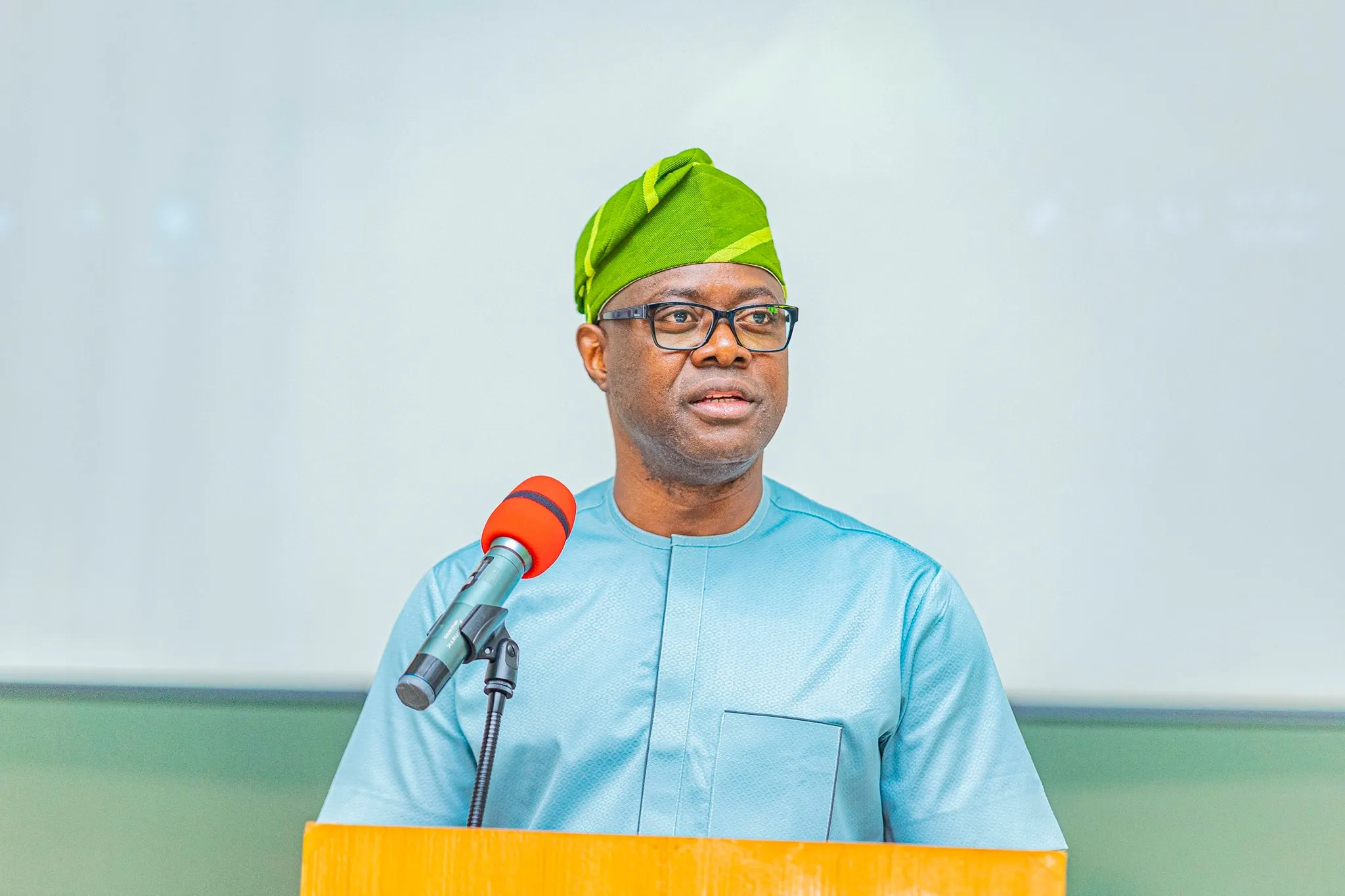
Governor Seyi Makinde of Oyo State has expressed strong reservations about the growing trend of politicians switching parties, arguing that such defections do little to address Nigeria’s deep-seated challenges.
Speaking during a media chat in Ibadan on Tuesday, the Peoples Democratic Party (PDP) chieftain said the current wave of political movement, particularly toward the ruling All Progressives Congress (APC), raises serious concerns about the future of democracy in the country.
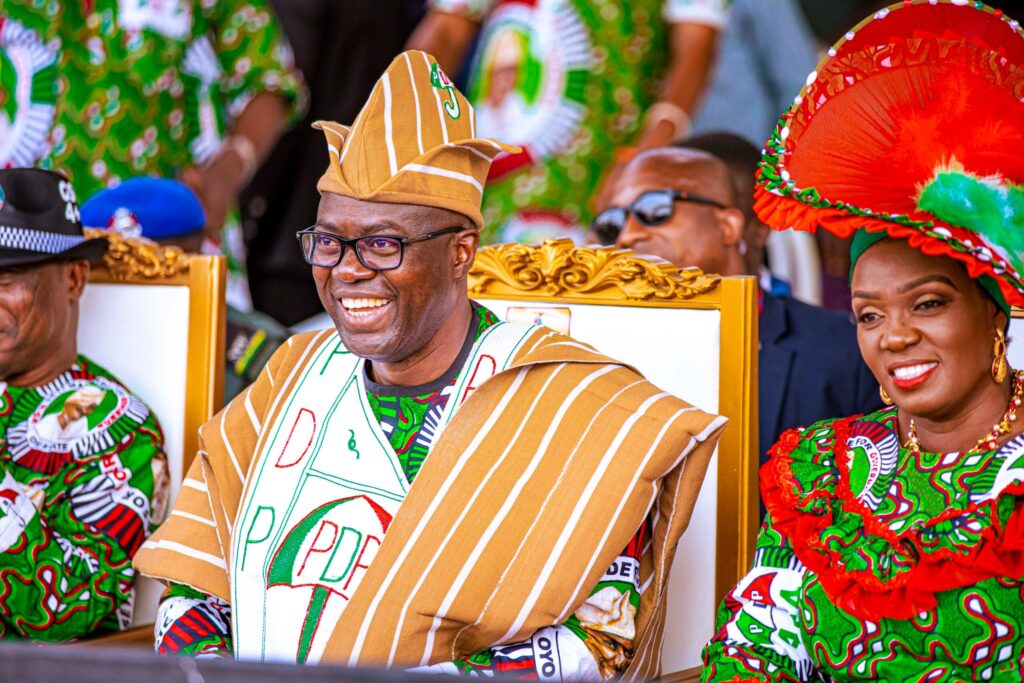
Makinde said national interest should take precedence over personal ambition, stressing that political leaders must prioritise the health of Nigeria’s democratic system. “We need to start talking about the survival of democracy in Nigeria. Individual ambition is tertiary, not even secondary,” he said, urging sustained dialogue across party lines, including with dissatisfied members of the APC.
The governor warned that ignoring public frustration could have far-reaching consequences, particularly among young Nigerians who feel disconnected from leadership. He likened the situation to the conditions that sparked uprisings elsewhere, cautioning that a leadership vacuum could be filled in unexpected ways.
According to him, political elites underestimate the depth of public anger and hunger, noting pointedly that while politicians defect, the economic hardship facing citizens remains unchanged. “And when they say governors have defected and all of that, what of hunger? Where is hunger and anger in the land? Has it defected?” he asked.
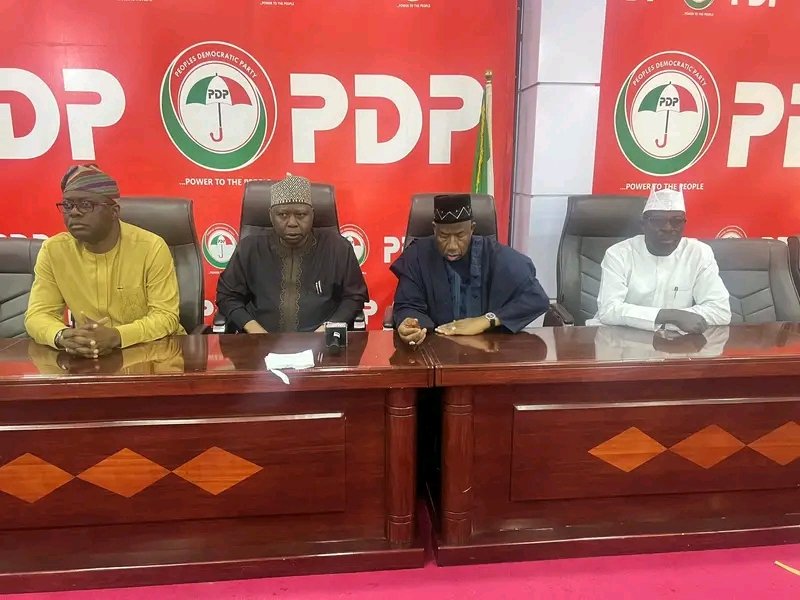
Makinde acknowledged that the PDP has been weakened by recent defections of governors, lawmakers and other influential figures, but maintained that abandoning the party is not an option for him. Instead, he said his focus is on the “survival” of both the PDP and Nigeria’s democratic structure, warning that unchecked defections could gradually push the country toward a one-party system.
While addressing the political choices of others, Makinde said his former ally, Nyesom Wike, now the Minister of the Federal Capital Territory, has the right to support President Bola Tinubu’s re-election bid.
However, he insisted that those committed to preserving democratic balance must also be allowed to chart their own course. “Some of us who want democracy to survive in Nigeria, we don’t drift into a one-party state, and we want to ensure that PDP survives; he should also allow us to do our own thing,” he said.

The APC, however, has downplayed fears surrounding the defections. President Bola Tinubu earlier dismissed opposition complaints, arguing that parties losing members should focus on resolving their internal problems.
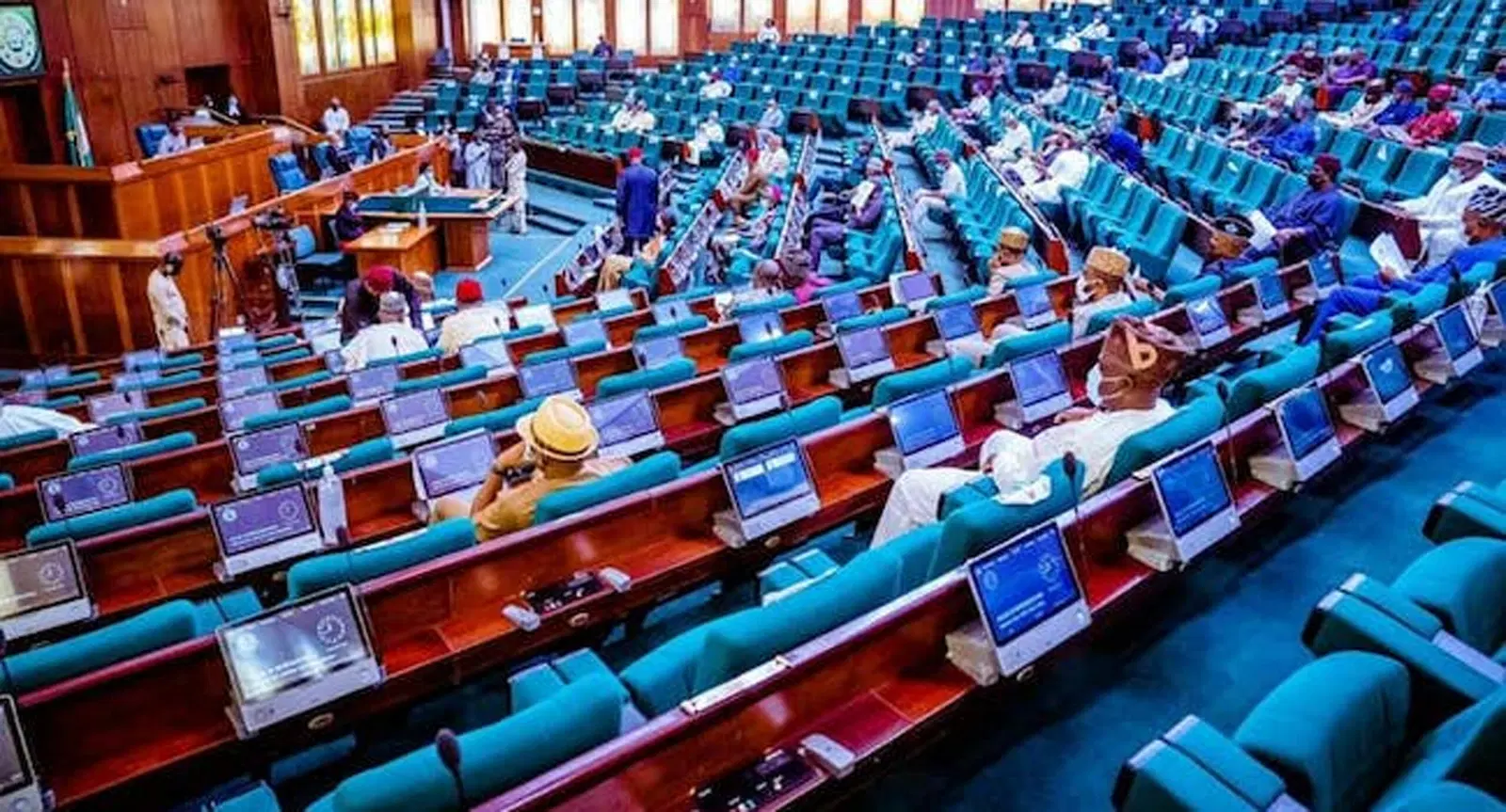
Speaking at a joint session of the National Assembly during the 2025 Democracy Day celebration, he said, “Political parties fearful of members leaving may be better served by examining their internal processes and affairs rather than fearfully conjuring up demons that do not exist,” adding pointedly, “It is indeed a pleasure to witness you in such disarray.”
What you should know
The debate over political defections has intensified as Nigeria moves closer to the 2027 elections.
While the APC insists that democracy remains strong and views defections as a sign of political freedom, opposition figures like Seyi Makinde warn that excessive concentration of power could weaken democratic checks and balances. Makinde’s comments reflect broader anxieties about public discontent driven by economic hardship, insecurity and perceived leadership failure.
His warning suggests that beyond party politics, unresolved social and economic pressures could shape Nigeria’s political future in unpredictable ways if leaders fail to respond responsibly.