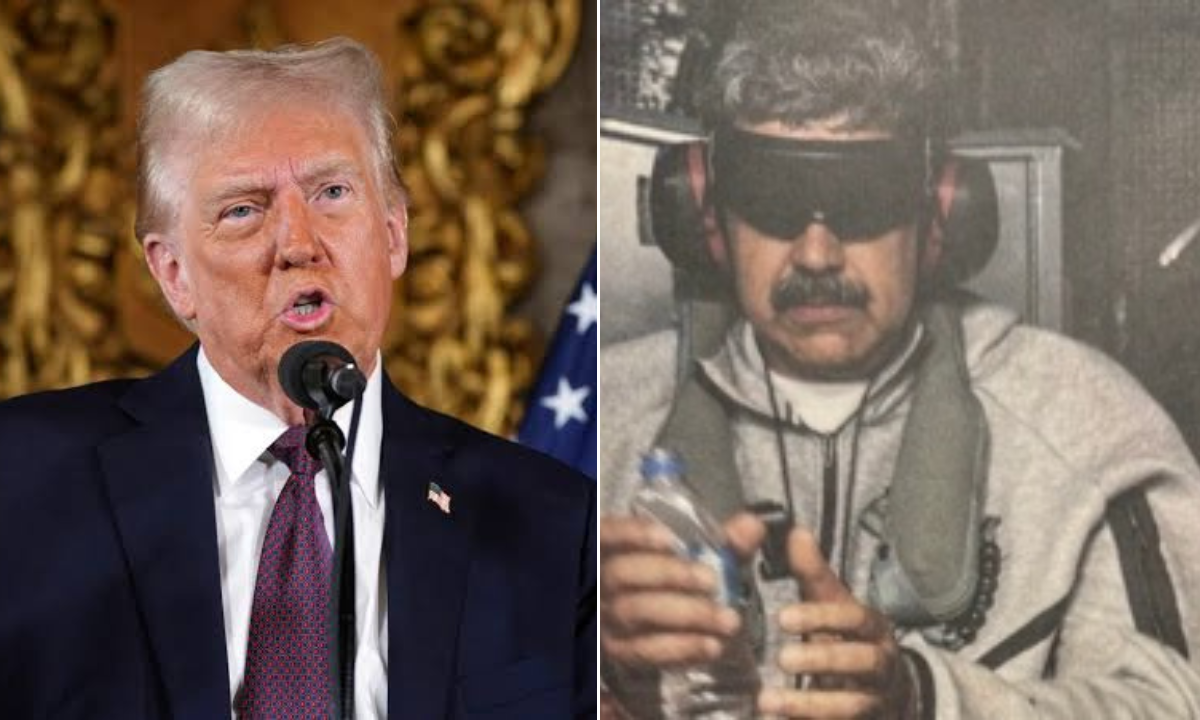
Venezuela’s ousted leader, Nicolas Maduro, is expected to appear before a federal judge in New York at noon on Monday, where he will be formally informed of the charges filed against him, according to court officials.
Maduro and his wife, Cilia Flores, were arrested by United States forces during a pre-dawn operation in Caracas on Saturday and flown to New York.
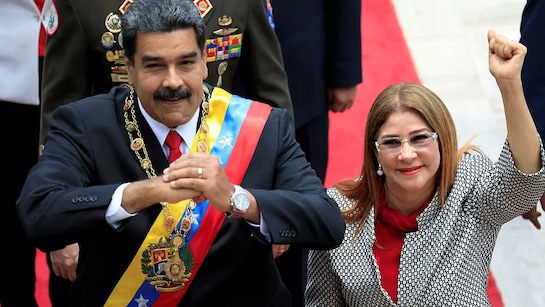
The couple is facing charges of “narcoterrorism” linked to allegations that large quantities of cocaine were trafficked into the United States under their watch.
The arrest has triggered strong international reactions, particularly across Latin America and Europe. Brazil, Chile, Colombia, Mexico, Uruguay and Spain issued a joint statement on Sunday warning against any external attempt to exercise “control” over Venezuela.
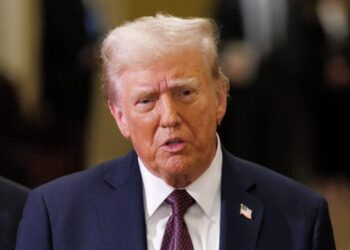
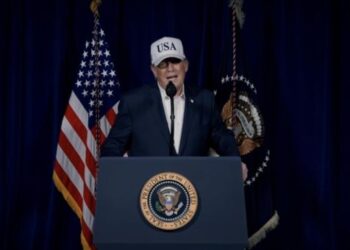
The countries criticised the removal of Maduro and raised concerns about any move toward foreign administration or the appropriation of the nation’s natural and strategic resources, following remarks by US President Donald Trump suggesting Washington would “run” the country and gain access to its oil.
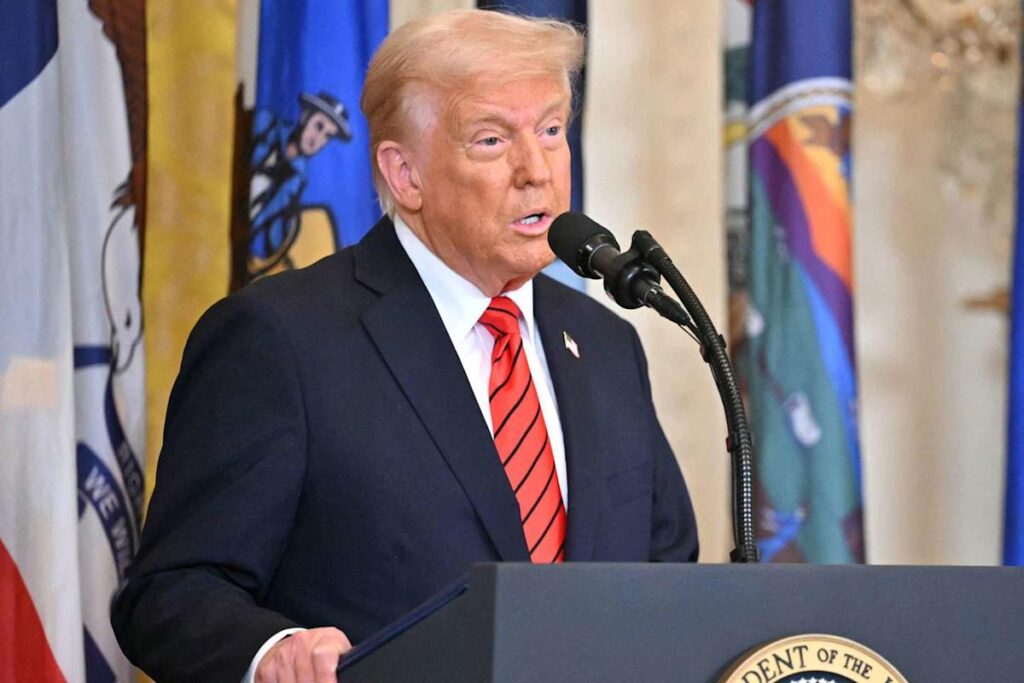
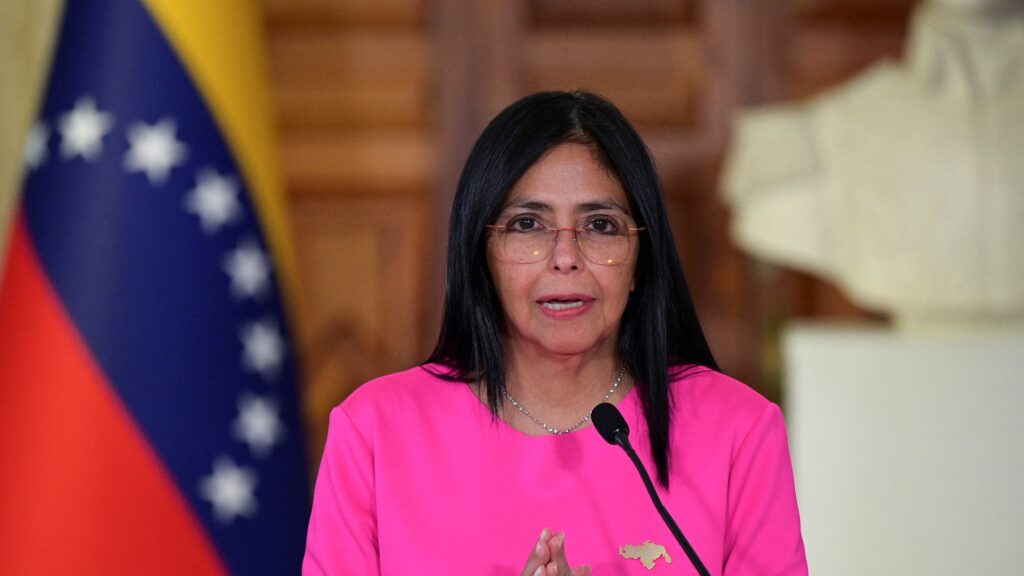
Trump further escalated tensions by issuing a warning to Venezuela’s interim leader, Delcy Rodriguez. Speaking in a brief telephone interview with The Atlantic, he said she would pay a “very big price” if she failed to cooperate with the United States, adding that the consequences could be “probably bigger than Maduro.”
The Trump administration indicated it is prepared to engage with elements of Maduro’s former government, provided US objectives are met. These objectives reportedly include opening Venezuela’s vast crude oil reserves to American investment.
Rodriguez was later confirmed as interim president by Venezuela’s Supreme Court and senior military officials. In her first reaction following the US raid in Caracas, she struck a defiant tone, insisting that Maduro remains the country’s only legitimate leader and declaring that “we’re ready to defend our natural resources”.
Although Trump has long positioned himself against US-led nation building and regime change abroad, he has taken a different stance on Venezuela. On Saturday, he stated that the United States would “run” the country, arguing that “rebuilding there and regime change, anything you want to call it, is better than what you have right now”.
Describing Venezuela as a failed state, Trump said rebuilding the country was justified, adding that it had become “a disaster in every way”.
What you should know
Maduro’s arrest marks a dramatic escalation in US involvement in Venezuela and has intensified global debate over sovereignty, regime change and foreign control of natural resources.
While Washington frames its actions around criminal accountability and economic reform, several countries fear the move could set a dangerous precedent for external intervention.
With Delcy Rodriguez installed as interim leader and openly resisting US pressure, Venezuela is entering a highly volatile phase that could reshape political alliances in Latin America and redefine international responses to leadership change and resource control.