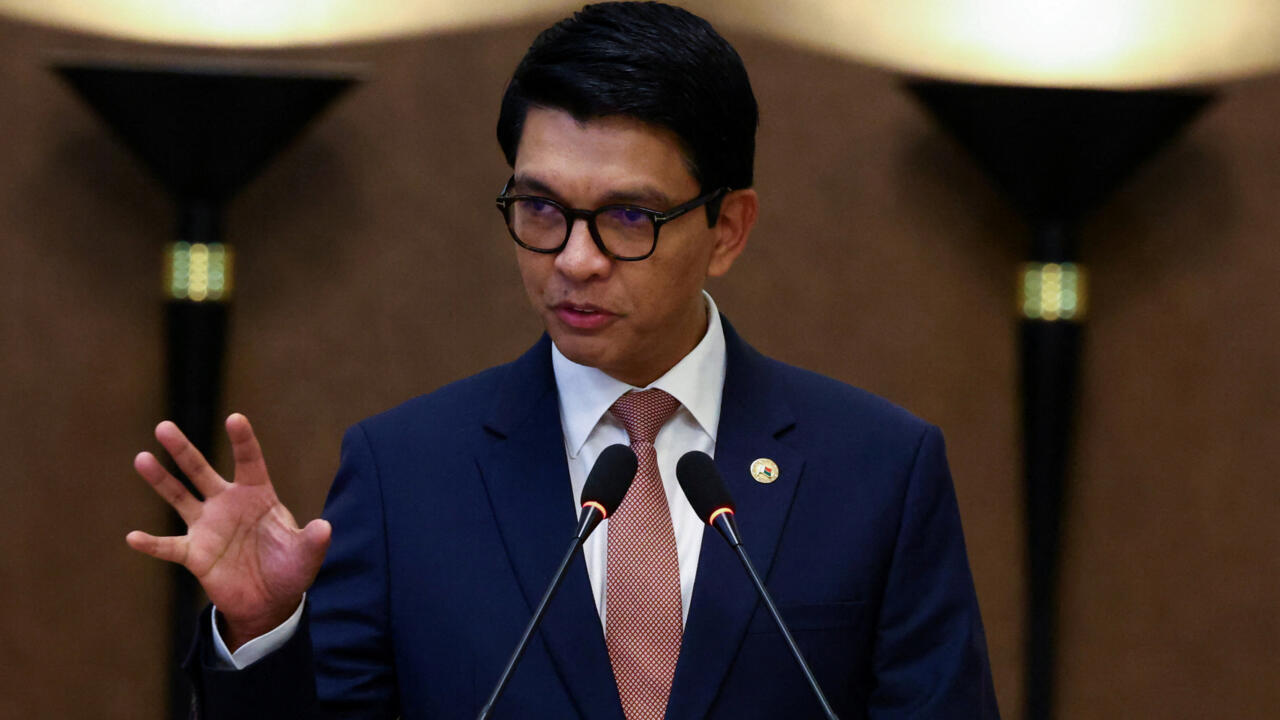
Madagascar’s President Andry Rajoelina on Monday appointed an army general, Ruphin Fortunat Dimbisoa Zafisambo, as the country’s new prime minister in a bid to calm intensifying protests that have rocked the capital, Antananarivo.
The appointment came after days of youth-led demonstrations, which began on September 25 over worsening power and water shortages and have since evolved into a nationwide call for Rajoelina’s resignation. Security forces used tear gas to disperse protesters, leaving at least one person injured, AFP reported.

“With wisdom, I have decided to appoint Ruphin Fortunat Dimbisoa Zafisambo, divisional general, as prime minister,” Rajoelina said during a televised address, describing his choice as “someone clean, with integrity, and who works quickly.” He vowed to “save Madagascar” and restore order.
However, the move did little to appease demonstrators, especially the Gen Z movement leading the protests. The group issued a 48-hour ultimatum, demanding Rajoelina’s resignation and warning that protests would continue until their demands were met.
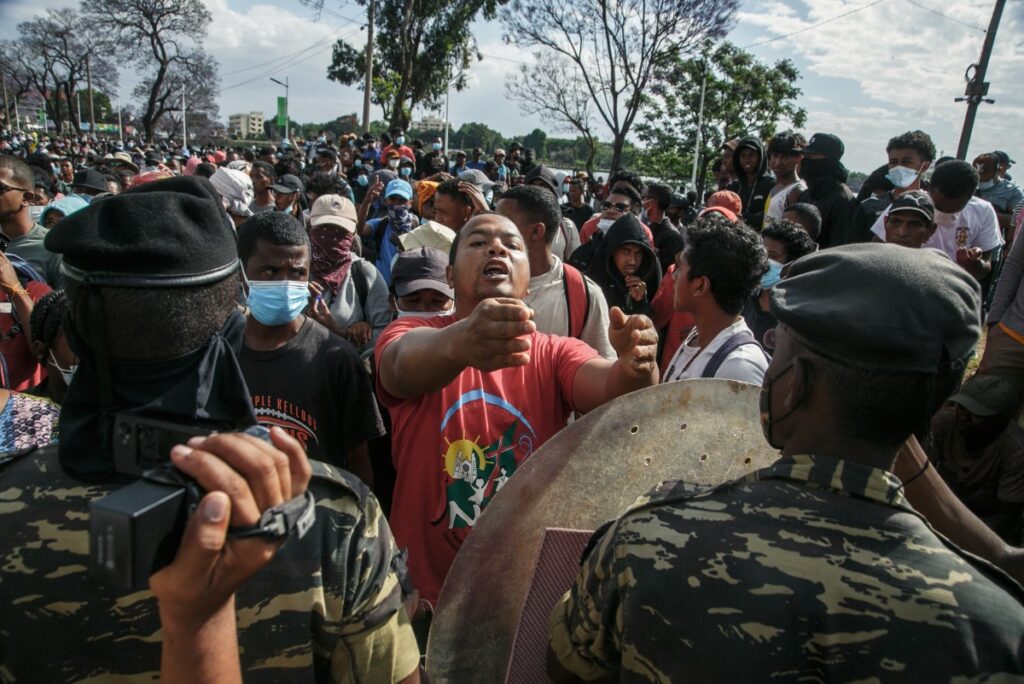
Rajoelina’s earlier decision to dissolve his cabinet also failed to halt the unrest. Clashes between protesters and police persisted, with witnesses describing the use of live ammunition and the UN reporting at least 22 deaths, a figure the government disputes.
“We are protesting for everyone’s sake,” said 21-year-old Tommy Fanomezantsoa. “The president is not listening to the anger of the people at the bottom. He always does what he wants.”
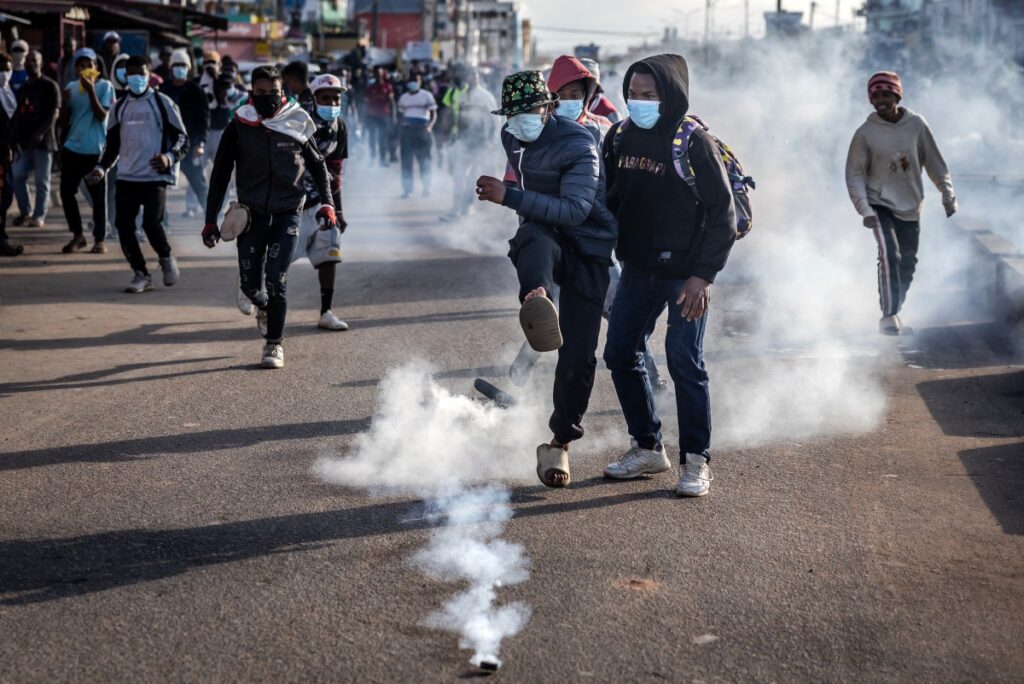
The Christian Council of Churches of Madagascar (FFKM) has offered to mediate between both sides, while protests spread to other cities, including Toliara, where demonstrators burned tyres.
What you should know
President Andry Rajoelina’s appointment of General Zafisambo comes amid Madagascar’s deepest political crisis in years, fueled by economic hardship and widespread discontent over living conditions.
Despite the government’s attempts at reform, protesters, largely driven by young people, are demanding systemic change and greater accountability in a country where nearly three-quarters of citizens live below the poverty line.