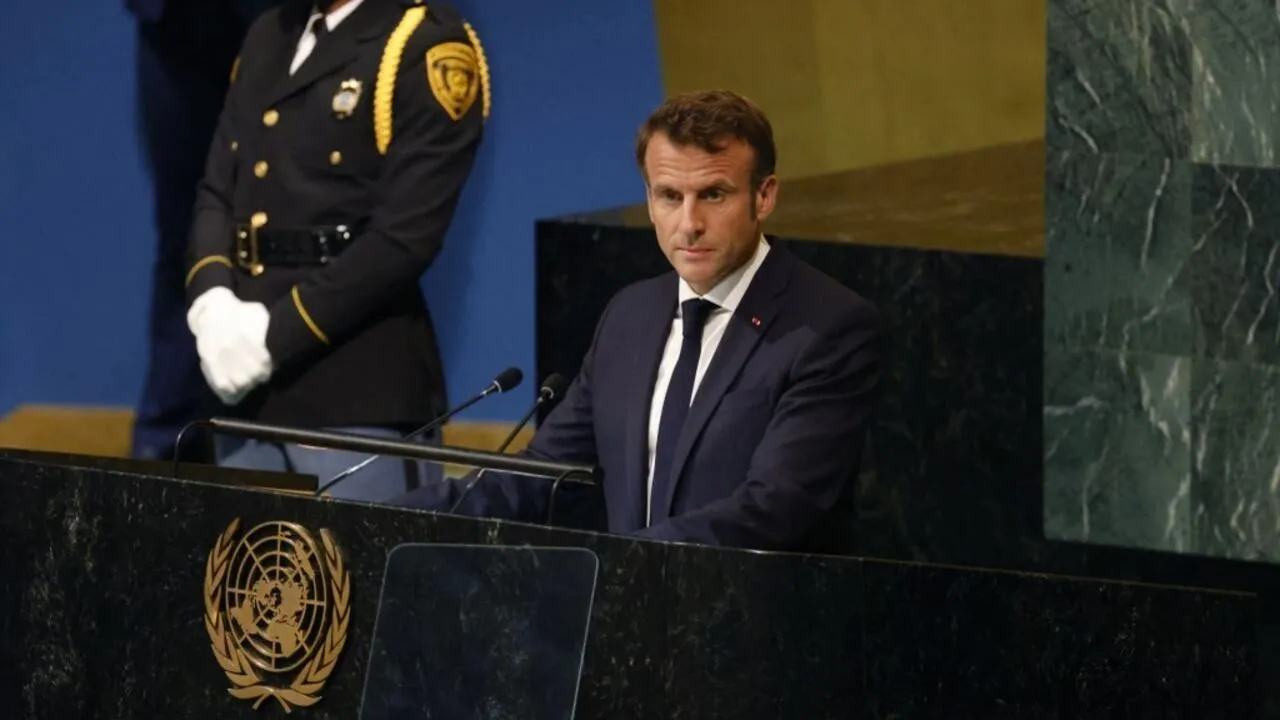
French President Emmanuel Macron and US envoy Steve Witkoff on Wednesday urged Iran to act swiftly to avoid the reimposition of sweeping UN sanctions over its nuclear program.
France, Britain, and Germany have set Saturday as the deadline for triggering “snapback” sanctions through the UN Security Council, citing Iran’s lack of cooperation. Macron, meeting Iranian President Masoud Pezeshkian on the sidelines of the UN General Assembly, called on Tehran to grant inspectors full access, resume negotiations, and clarify concerns over highly enriched uranium.
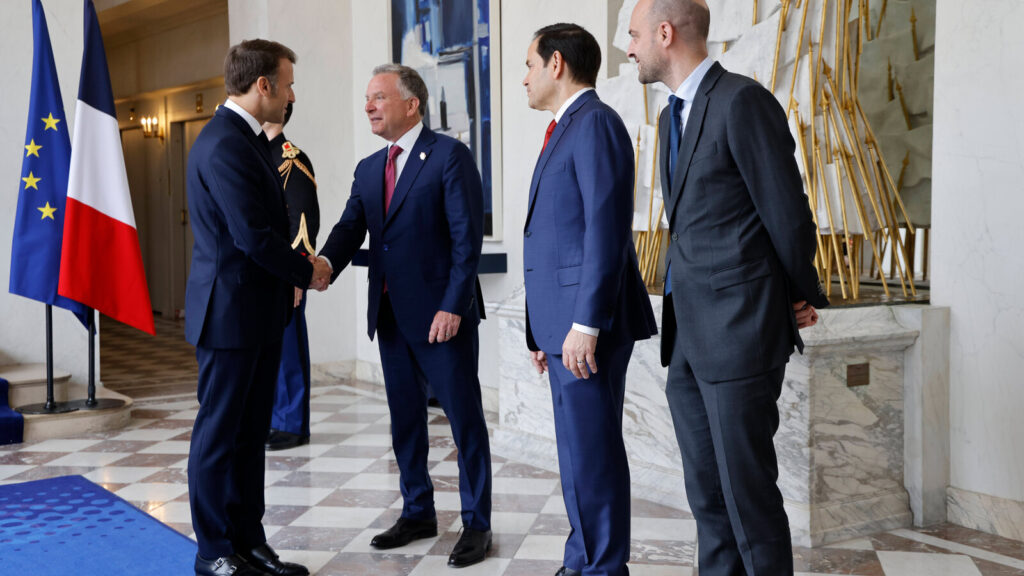
“An agreement remains possible. Only a few hours are left. It’s up to Iran to respond to the legitimate conditions we have raised,” Macron wrote on X after the meeting.
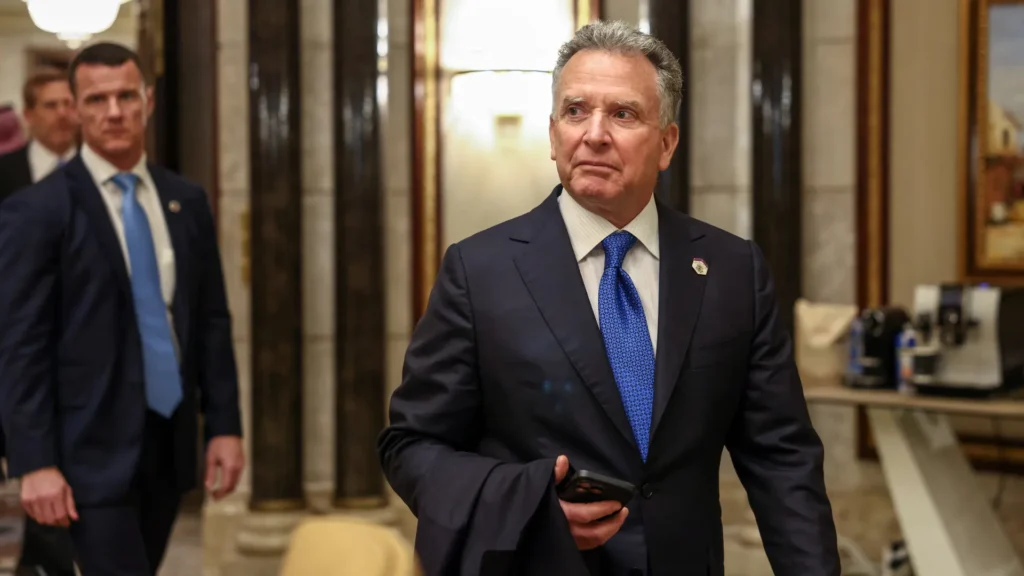
Witkoff, a close Trump ally who has been negotiating with Iran, said Tehran was in a “tough position” but warned that sanctions were unavoidable without progress. “If we can’t, then snapbacks will be what they are. They’re the right medicine,” he said.
Pezeshkian, however, rejected the accusations, telling the General Assembly that Iran “has never sought and will never seek to build a nuclear bomb,” while blaming Israel and the US for regional instability. He accused Europe of bad faith, saying Tehran’s limited cooperation was a response to Donald Trump’s 2018 withdrawal from the 2015 Joint Comprehensive Plan of Action (JCPOA).
The looming snapback sanctions would restore broad UN economic measures lifted under the JCPOA, a deal once hailed as a milestone in curbing Iran’s nuclear ambitions.
What you should know
Iran faces a critical deadline as Western powers push to restore UN sanctions suspended under the 2015 nuclear deal.
While Macron and US envoy Witkoff say a last-minute agreement is still possible, Tehran maintains it is being unfairly punished, pointing to Israel and America’s June attacks on its soil.