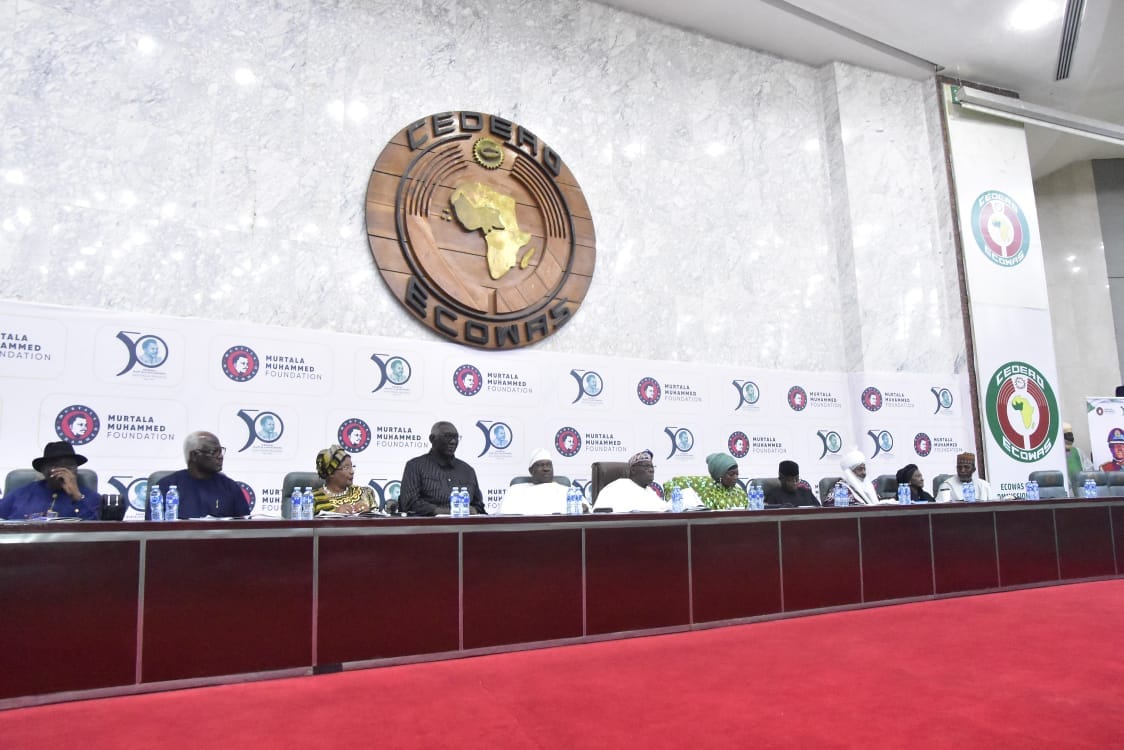
Prominent Nigerian leaders have called on governments across Africa to prioritise younger individuals for top leadership positions, citing their vitality, resilience and intellectual capacity to manage the rigours of governance.
The appeal was made on Thursday during a memorial lecture and leadership conference organised by the Murtala Muhammed Foundation to commemorate the 50th anniversary of the assassination of former Head of State, Murtala Muhammed.
Jonathan Pushes for Lower Age Barriers
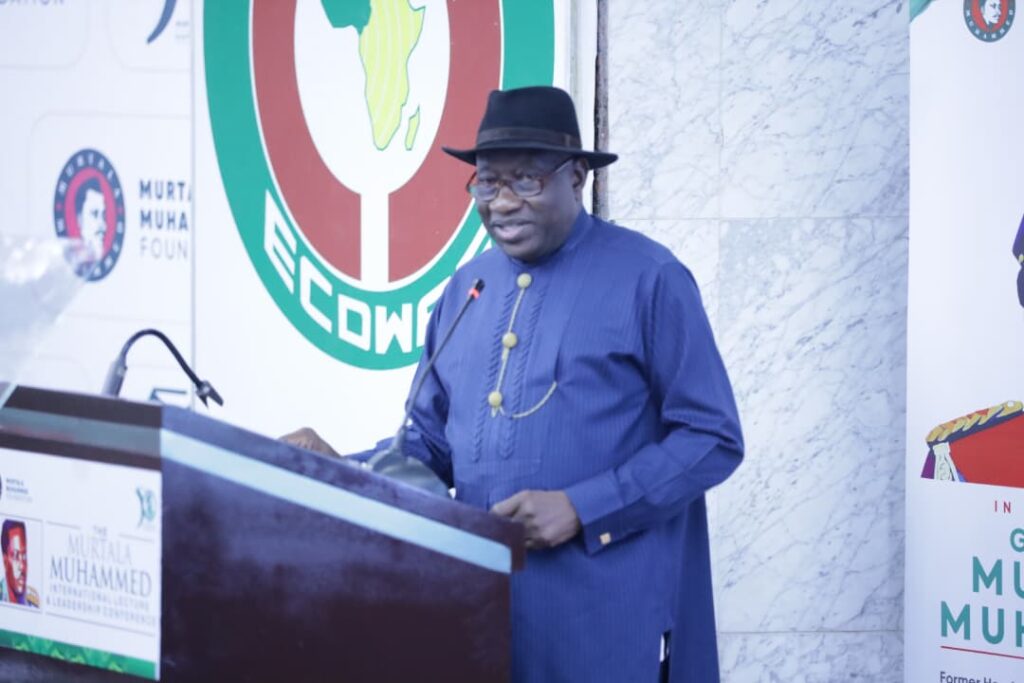
Former President Goodluck Jonathan led the conversation, urging African nations to consider citizens between the ages of 25 and 50 for high-level public offices. He argued that younger leaders often possess the physical stamina, mental alertness and adaptability required to navigate the pressures of modern governance.
Jonathan referenced Nigeria’s “Not Too Young to Run” reforms and encouraged further reduction of age-related restrictions for elective positions.
“The person we are celebrating today was head of state at the age of 38. Obasanjo, when he took over, was also around 38. And when I look across, I see the youth corps, which is a legacy of General Yakubu Gowon at the age of 32. So why do we begin to think that we must be in our 100s before we can rule a country?” Jonathan said.
Obasanjo Reflects on Leadership Succession

Former President Olusegun Obasanjo reflected on the importance of grooming successors, describing it as a key leadership responsibility.
“The greatest achievement of Murtala was that he created a successor who could go on after him. The failure of all leaders after Murtala, including myself, is that we have not been able to create successors who could continue after us,” Obasanjo said.
Africa’s Moment of Self-Definition
Ex-Vice President Yemi Osinbajo spoke on leadership values and Africa’s evolving role globally.
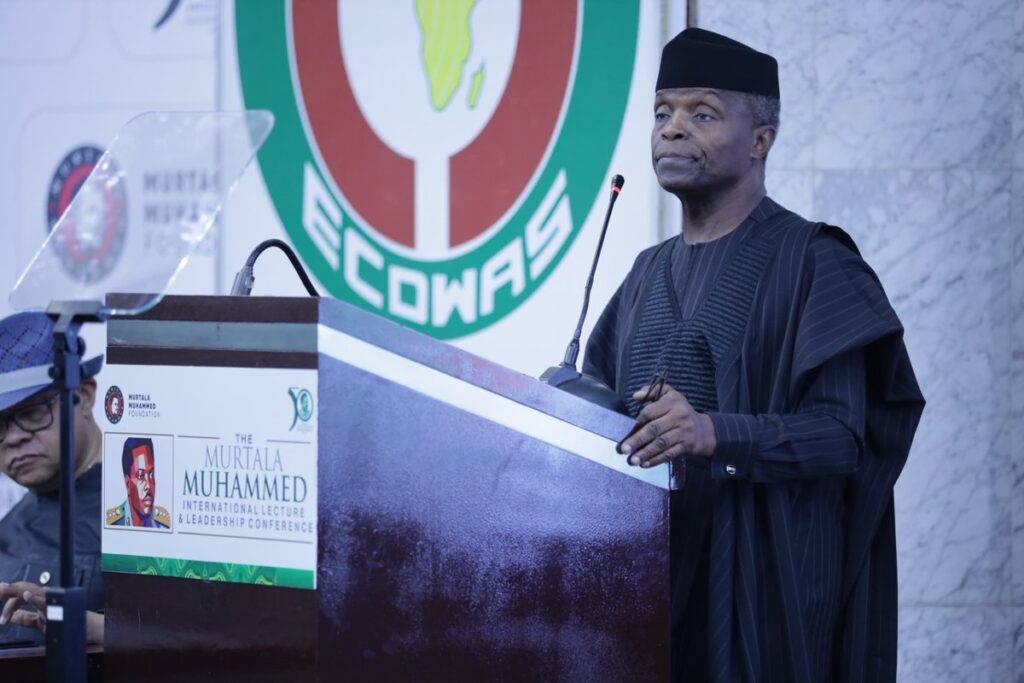
“If coming of age means perfection, then no continent qualifies. If it means the absence of struggle or problems, then history itself has not come of age. But if coming of age means self-awareness, confidence of purpose, and the capacity to shape one’s destiny, then Africa is no longer emerging; it is in its moment,” he said.
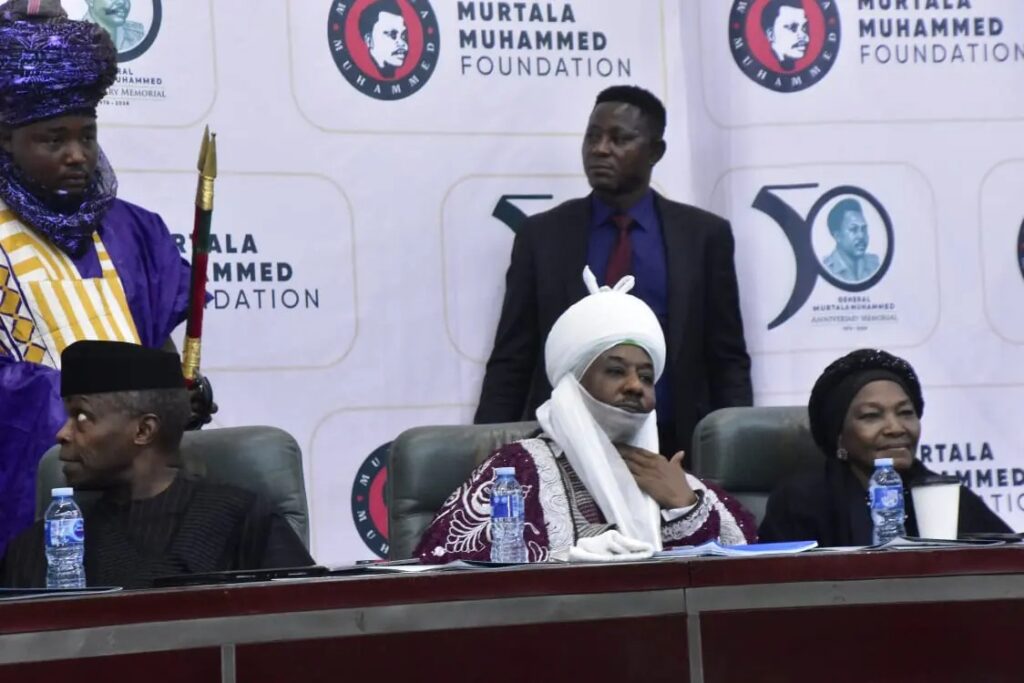
The Emir of Kano, Sanusi Lamido Sanusi, stressed the need for Africa to reclaim its dignity and self-confidence on the world stage.
“We need to ask ourselves as Africans, where have we lost it, and how can we get back that dignity and pride. The day Africans can hold their heads high as we did in 1975 and 1976, as equal human beings with every race and nation, and as a sovereign nation with the same rights as every other nation, that day we will have truly come of age,” he said.
Secretary to the Government of the Federation, George Akume, added that leadership effectiveness is determined more by innovative thinking than chronological age.
“Leadership has nothing to do with physical age but the age of your ideas. Yes, we respect our young people,” he said.
Other participants at the event underscored the importance of strengthening democratic institutions and enhancing regional collaboration to ensure sustainable leadership across Africa.
What you should know
The memorial lecture marking 50 years since the assassination of Murtala Muhammed became a platform for renewed debate on generational leadership in Africa.
Speakers highlighted the historical precedent of young Nigerian leaders assuming office in their 30s and questioned the growing trend of older political leadership across the continent.
The call aligns with Nigeria’s “Not Too Young to Run” constitutional reforms, which reduced age requirements for elective offices. Beyond age considerations, discussions focused on succession planning, institutional strengthening, and Africa’s global positioning.
The consensus among speakers was that effective governance depends not solely on age but on competence, vision and the ability to prepare future leaders.