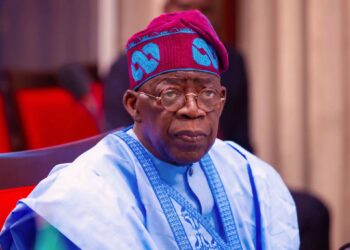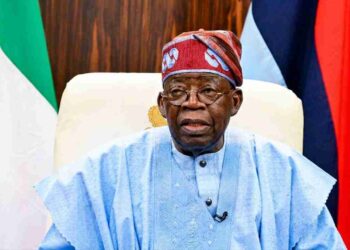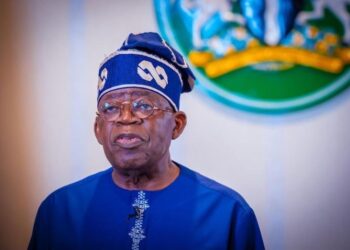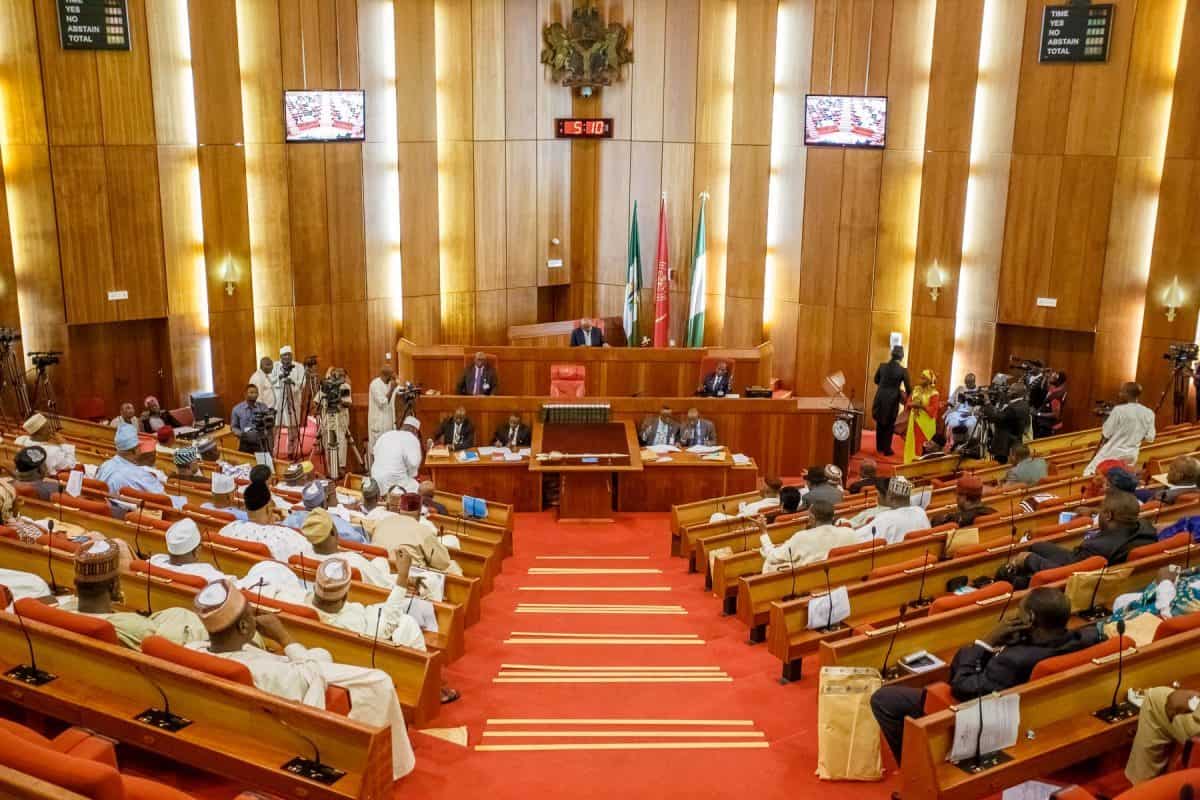
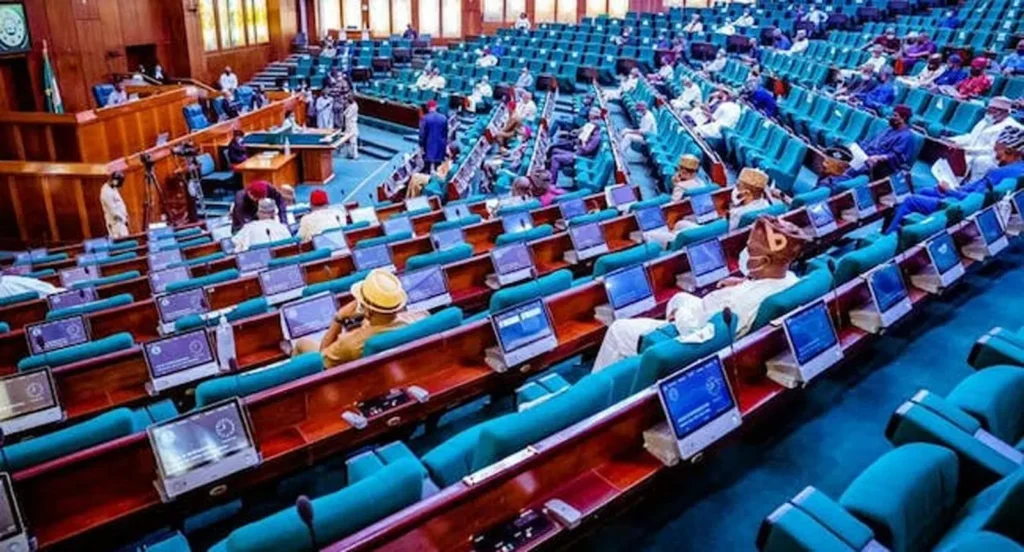
A new phase has emerged in the ongoing demand for the release of Nnamdi Kanu as forty-four sitting members of Nigeria’s federal legislature, drawn from both the northern and southern parts of the country, have jointly addressed a two-page letter and resolution to President Bola Tinubu.
In the correspondence, the lawmakers called on the President to activate his constitutional authority to secure Kanu’s release from detention and to convene a broad, inclusive political dialogue that brings together all key stakeholders to identify the nation’s pressing concerns and pursue a lasting, political route to resolving them.
Grouped under the banner of “Concerned Federal Lawmakers,” the legislators also urged President Tinubu to instruct the Attorney-General of the Federation, at the earliest possible time, to utilize his constitutional power to halt the ongoing prosecution of Nnamdi Kanu.
The document carried the signatures of Hon. Ikenga Imo Ugochinyere, Hon. Obi Aguocha, Hon. Murphy Osaro, Hon. Peter Akpanke, Hon. Mudshiru Lukman, Hon. Paul Nnamechi, Hon. Barr. Sunday Cyriacus, Hon. Obed Shehu, Hon. Engr. Dominic, Hon. Chief Ugwu Emmanuel, Hon. Daniel Asama Ago, Hon. Chike John Okafor, Hon. Adam Ogene Ogbaru, Hon. Emeka Martin Chinedu, Hon. Chimaobi Sam, Hon. Alex Mascot Ikwechegh, Hon. Donatus Matthew, Hon. Ibe Osonwa, Barr. Okey-Joe Onuakalusi, Hon. Thaddeus Atta, Hon. Udema H. Okonkwo, Hon. Cyril Godwin, Hon. Princess Chinwe Nnabuike, Hon. Kana Nkemkama, Hon. Peter Aniekwe, Hon. Gwachem Maureen, Hon. Onwunka, Hon. Anayo Onwuegbu, Hon. Nwobosi Joseph, Hon. Amobi Godwin, Hon. Blessing Amadi, Hon. Anthony Adebayo Adepoju, Hon. Dr. Joshua Audu Gana, Hon. Chris Nkwonta, Hon. Emeka Idu, Hon. Peter Ifeanyi Uzokwe, Hon. Matthew Nwogu, Hon. Tochukwu Okere, Hon. Benedict Etanabene, Hon. Godwin Offiono, Hon. Ngozi Okolie, and Hon. Nnamdi Ezechi.
The lawmakers stressed that halting the prosecution and embracing constructive engagement is essential for resolving the issue through a political avenue, which they believe presents the most viable opportunity for a long-term solution.
Part of the letter stated: “Dear Mr. President, THE NATIONAL INTEREST DRIVEN RESOLUTION BY CONCERNED FEDERAL LAWMAKERS ON THE ISSUE OF MAZI NNAMDI KANU CONTINUED DETENTION.” The lawmakers noted that after a closed-door strategy session involving federal lawmakers who are committed to fostering national cohesion, and following wide-ranging consultations across political divides and various ethnic blocs, they collectively agreed to write to the President regarding “Mazi Nnamdi Kanu.”
They explained that their position is motivated by the “abiding and urgent need for national reconciliation and healing,” adding that past actions of the Federal Government, including open engagements with militants and other agitating groups across the country, reinforce the argument for adopting a political approach in Kanu’s case.
The lawmakers further cited the insecurity that has affected the Southeast since 2015 and intensified from 2021, alongside numerous domestic court decisions and international tribunal rulings that have favored Kanu, as factors that make continued prosecution untenable.
They also highlighted what they described as the “growing national groundswell” in support of his release and the discontinuation of the case against him.
The letter continued: “We, the within-named federal lawmakers, hereby respectfully and earnestly request our dear President, His Excellency, Bola Ahmed Tinubu, as follows: To, as soon as practicable, direct the Attorney-General of the Federation to exercise his constitutional powers and discontinue the prosecution of Mazi Nnamdi Kanu; and To, pursuant to the discontinuance of the prosecution, initiate a constructive dialogue, aimed at seeking a just political solution of the matter.”
They concluded by thanking President Tinubu for considering their appeal and expressed their “continuing respects” for his office.
What You Should Know
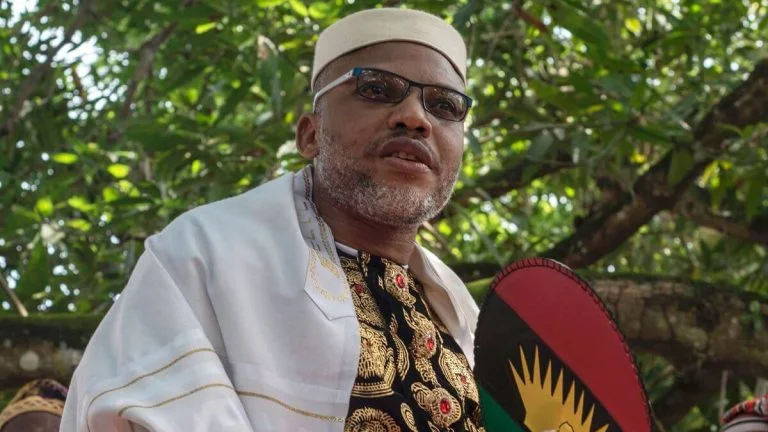
Nnamdi Kanu, leader of the Indigenous People of Biafra (IPOB), has been at the center of national debate since his arrest and prosecution, with court rulings and public opinion often divided.
His case has shaped political discourse in the Southeast and across Nigeria, with increasing calls for a political settlement rather than a judicial route.