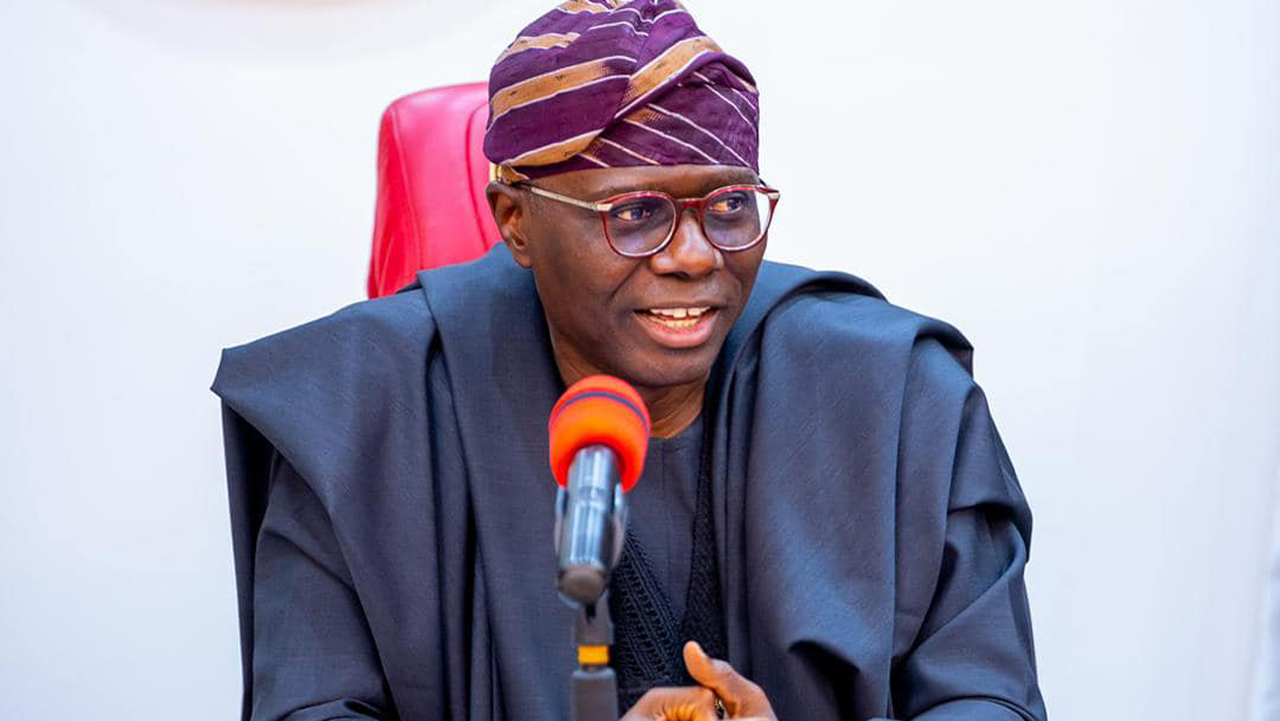
Lagos State Governor Babajide Sanwo-Olu has revealed that the state recorded $2.73 billion in capital inflows during the third quarter of 2025.
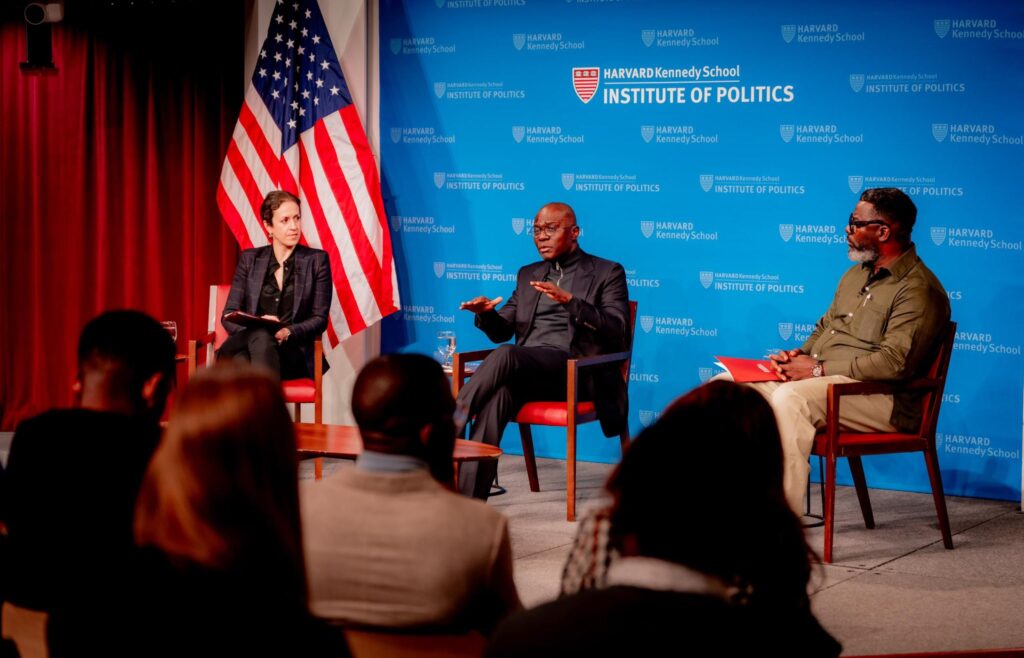
Addressing the prestigious John F. Kennedy Jr. Forum at Harvard Kennedy School’s Institute of Politics on March 4, 2026, Governor Babajide Sanwo-Olu painted a vivid picture of Africa’s accelerating urban transformation, with his megacity firmly at its forefront.
Speaking on the theme “Africa’s Urban Future: Cities at the Crossroads of Growth and Resilience,” the governor presented Lagos not merely as Nigeria’s economic heartbeat but as a living blueprint for how the continent’s cities can harness rapid growth amid mounting challenges.
The governor stated that in the third quarter of 2025 alone, Lagos attracted $2.73 billion in capital inflows—accounting for a striking 45% of Nigeria’s total capital importation during that period. This influx, he noted, underscores the state’s growing appeal to global investors amid broader national economic reforms and improved investor confidence.
Sanwo-Olu contextualized these figures within Lagos’ outsized role in Nigeria’s economy. Despite comprising just 10% of the country’s population, the state has consistently punched above its weight.
In 2024, Lagos’ Internally Generated Revenue (IGR) reached approximately $821.9 million (equivalent to N1.26 trillion), representing 35% of Nigeria’s total IGR across all states and the Federal Capital Territory. This fiscal strength, driven largely by a youthful, dynamic workforce (40% of the population ages 15-34), has enabled sustained investment in critical infrastructure.
The governor spotlighted Lagos’ burgeoning technology sector as a key engine of this momentum. Home to more than 2,000 startups and five FinTech unicorns, each valued at over $1 billion, the ecosystem has propelled Lagos to the top of global rankings.
Recent reports, including the 2025 Dealroom Global Tech Ecosystem Index, have crowned Lagos the world’s fastest-growing tech hub, outpacing emerging centers such as Istanbul, Mumbai, and São Paulo. With an ecosystem valuation estimated at around $15.3 billion and an 11.6-fold increase in startup enterprise value since 2017, the city’s innovation landscape stands as a magnet for venture capital and talent.
These achievements, Sanwo-Olu emphasized, stem from deliberate policy choices under his administration’s “THEMES+ agenda,” which prioritizes advancements in transportation, technology, health, education, entertainment, security, and social inclusion.
Flagship initiatives such as the “Blue Line” and “Red Line” rail projects exemplify efforts to modernize mobility in a city where congestion and population pressures test urban resilience daily.
“Africa’s urban future is already unfolding, and Lagos is right at the center of it,” the governor declared. “Our city is growing quickly, and with that growth comes responsibility.” He stressed the need for strategic infrastructure development, inclusive policies, and cross-sector partnerships to ensure that expansion translates into broad-based prosperity rather than deepened inequality.
The Harvard forum appearance—shared alongside Monrovia Mayor John-Charuk Siafa—offered a platform for Sanwo-Olu to project Lagos as a model for other African cities navigating similar trajectories of explosive urbanization, climate vulnerabilities, and economic opportunities.
He concluded with an optimistic call to action: “Lagos’ story is closely tied to Africa’s rise. With the right investments and collaboration, we can build a city that works better for everyone.”
As Africa’s most populous city continues its ascent, Governor Sanwo-Olu‘s message from Boston resonates far beyond the lecture hall: the continent’s urban destiny is being forged today in places like Lagos, where ambition meets accountability in the pursuit of sustainable progress.
WHAT YOU SHOULD KNOW
Lagos is firmly establishing itself as the beating heart of Africa’s urban and economic future.
In Q3 2025 alone, the state attracted $2.73 billion in capital inflows—representing 45% of Nigeria’s total—while generating 35% of the country’s entire internally generated revenue, powered by a youthful population, explosive tech growth (over 2,000 startups and five FinTech unicorns), and sustained infrastructure investment under the THEMES+ agenda.